What Februdairy’s Failure Reveals About Why We Should Ditch Dairy

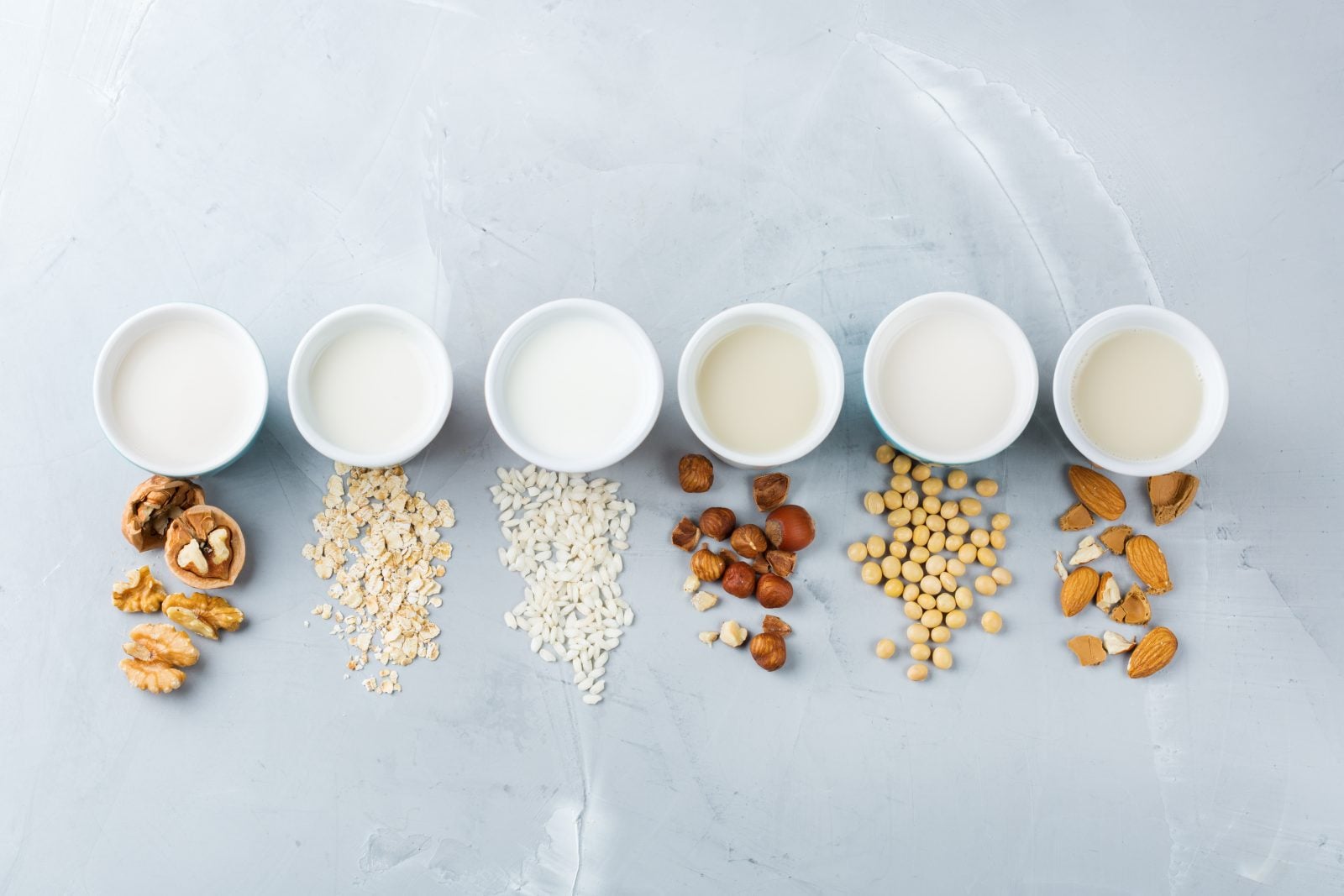
White cups of plant-based milk, each behind scattered nuts

What Februdairy’s Failure Reveals About Why We Should Ditch Dairy

If you’ve never heard of Februdairy, you’re not alone. You may, however, be familiar with Veganuary—the wildly successful, long-running campaign that invites people to try vegan eating for the New Year and beyond. Februdairy launched as a backlash to Veganuary, but without truth or compassion to sustain it, the campaign was a flop. Its failure underscores an important reality: dairy is not something worth celebrating.

Veganuary launched in the U.K. in 2014 and has since grown into a global nonprofit with active campaigns in 20 countries—and support from celebrities like Woody Harrelson and Preacher Lawson. In 2025 alone, Veganuary’s free recipes, tips, and inspiration helped more than 25 million people explore a more compassionate way of eating.

Februdairy, on the other hand, never gained meaningful traction. Launched in 2018 by a former vegan, the campaign aimed to counter Veganuary’s momentum with a social media hashtag and a challenge encouraging people to drink a pint of milk and nominate friends to do the same. Instead of going viral for its own reasons, the hashtag #Februdairy was quickly co-opted and spread by animal advocates, who used it to expose the cruelty of the dairy industry.

From the start, Februdairy lacked the best tool that Veganuary—and animal advocacy more broadly—has on its side: the truth.

The Troubling Truth About Dairy

Like other industries that exploit animals, dairy production is inherently inhumane. Cows used for milk endure the same extreme confinement, painful procedures, and slaughter as other animals in our food system. They are also continuously impregnated only to have their calves taken from them within hours of birth—an almost unimaginable heartbreak for both mother and baby.

Cows, like all mammals, must give birth to produce milk. For cows used by the dairy industry, life is a constant cycle of artificial insemination, pregnancy, birth, and separation—followed by nearly continuous mechanized milking. In 2019, the average cow in the U.S. dairy industry was forced to produce more than 23,000 lbs. of milk in a year—more than double the amount produced 40 years prior. This unnatural rate of production, combined with damage caused to the udders by milking machines, contributes to painful infections like mastitis.

The trauma caused by dairy farming doesn’t end with mother cows. Calves separated hours after birth often cry out for their mothers for days, so much so that their throats become raw and inflamed. They may eat less, lose weight, and become sick from the stress of separation.

Female calves are often used in dairy production, while males also face a grim fate, as they are of little use to an industry that profits off of milk production. Millions of males are sold to be raised and slaughtered for beef or veal. While many milk drinkers are vegetarian—or view veal as abjectly cruel—the reality is that the dairy and veal industries are inextricably linked. In fact, it’s actually the dairy industry that keeps veal producers in business.

Cows can naturally live for 20 years or more. In the dairy industry, however, they are considered “spent” and marked for slaughter once their milk production declines, around four to six years of age. Whether they are killed because their bodies are worn down or because they were born male, nearly all cows used for dairy in the U.S. meet the same end as other animals in our food system: premature and inhumane slaughter.

That’s why Farm Sanctuary encourages plant-based alternatives to dairy—and why we work tirelessly to rescue and care for cows like Diane.
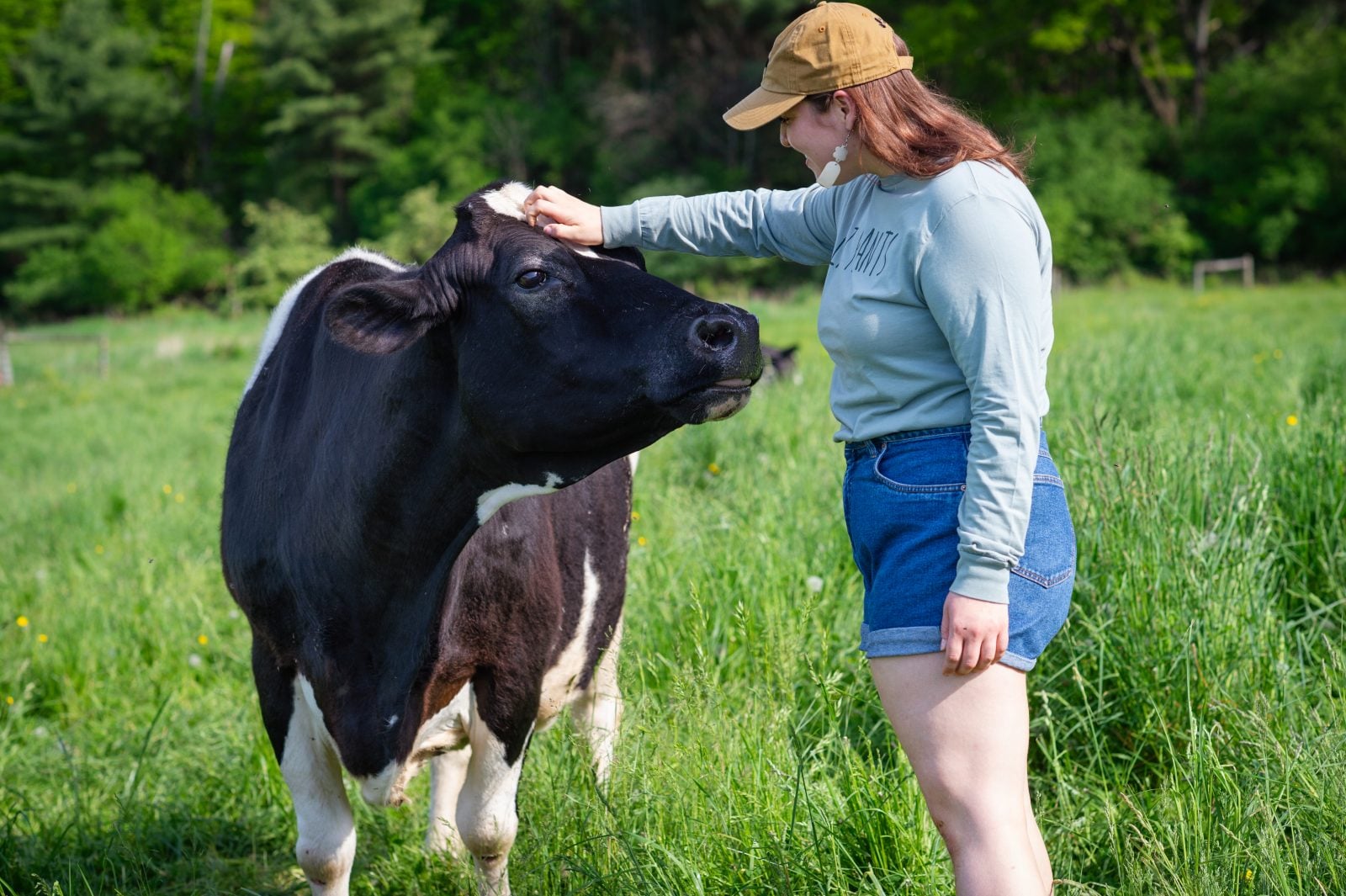
Women pets rescued cow on head in pasture at Farm Sanctuary

Diane Escaped Death on a Dairy Farm—Twice

Born small and sickly on a dairy farm, Diane was slated to be killed shortly after birth. A visitor to the farm intervened to save Diane, placing her at a neighbor’s dairy so she could live among other cows. Tragically, that facility forced Diane into milk production. Her tail was docked—a painful and unnecessary amputation, often performed without pain relief and meant to keep cows cleaner instead of addressing the real problem: the filthy, cramped conditions they’re made to live in. Diane was confined to a barn for four years, never going outside, never feeling the sun.

After enduring multiple cycles of impregnation, pregnancy, birth, and the loss of her calves, Diane’s body stopped producing offspring—and, as a result, stopped producing milk. Once again, she was marked for slaughter. Thankfully, her original rescuer found out and contacted Farm Sanctuary. We welcomed Diane to our New York sanctuary, where she received care for an untreated health condition and continues to experience the safety, compassion, and happiness she always deserved.

Ditch Dairy in February—And For Good

Dairy should never be celebrated, especially not in February, a month associated with love, justice, and liberation through Valentine’s Day and Black History Month. This is a time to celebrate compassion, to care for one another, and to continue the fight against oppression and exploitation of all beings.

Ready to take a step toward a more compassionate plate? Here are a few simple ways to start ditching dairy:

  • Swap cow’s milk for oat, soy, flax, or almond milk.
  • Try a dairy-free butter, yogurt, or coffee creamer.
  • Explore the wide variety of delicious plant-based cheeses.
  • Replace one meat-based or vegetarian meal with a fully vegan option.

Every small change adds up—and helps build a future where campaigns like Februdairy fade into irrelevance for good.

Get the Latest News

Subscribe to Farm Sanctuary emails to get plant-based recipes, find out about our latest rescues, take timely actions to help farm animals, and much more.

Sign Up