
11 Fun Facts You Didn't Know About Farm Animals

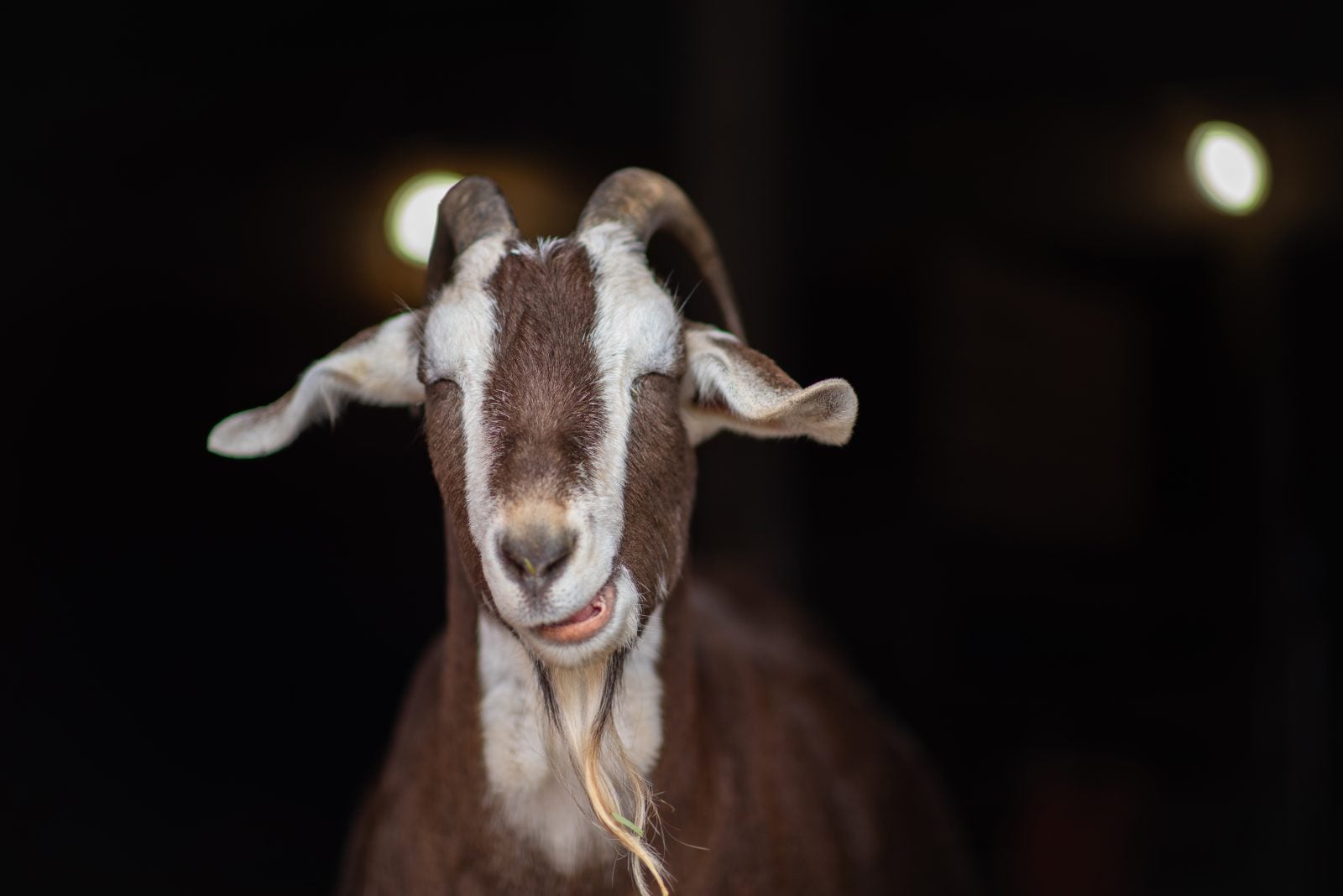
Rescued goat Hans at Farm Sanctuary

11 Fun Facts You Didn't Know About Farm Animals

From feathered fowl to giant ruminants, animals raised for food are endlessly fascinating. See for yourself with these 11 fun facts you probably didn’t know about farm animals.

Just like the dogs and cats we share our lives with, farm animals are unique individuals—intelligent, emotional, and just as deserving of love and care.

Tragically, animals raised for food are also among the most exploited, both in sheer numbers and in the egregious ways they’re treated.

The more we learn about who farm animals truly are—and choose compassionate alternatives to consuming them—the closer we’ll come to a world where they’re no longer exploited or killed.

Read on to learn about chickens showing empathy, cows with optimistic outlooks, and much more. Then, share these fun facts with a friend, family member, or colleague to brighten someone’s day.
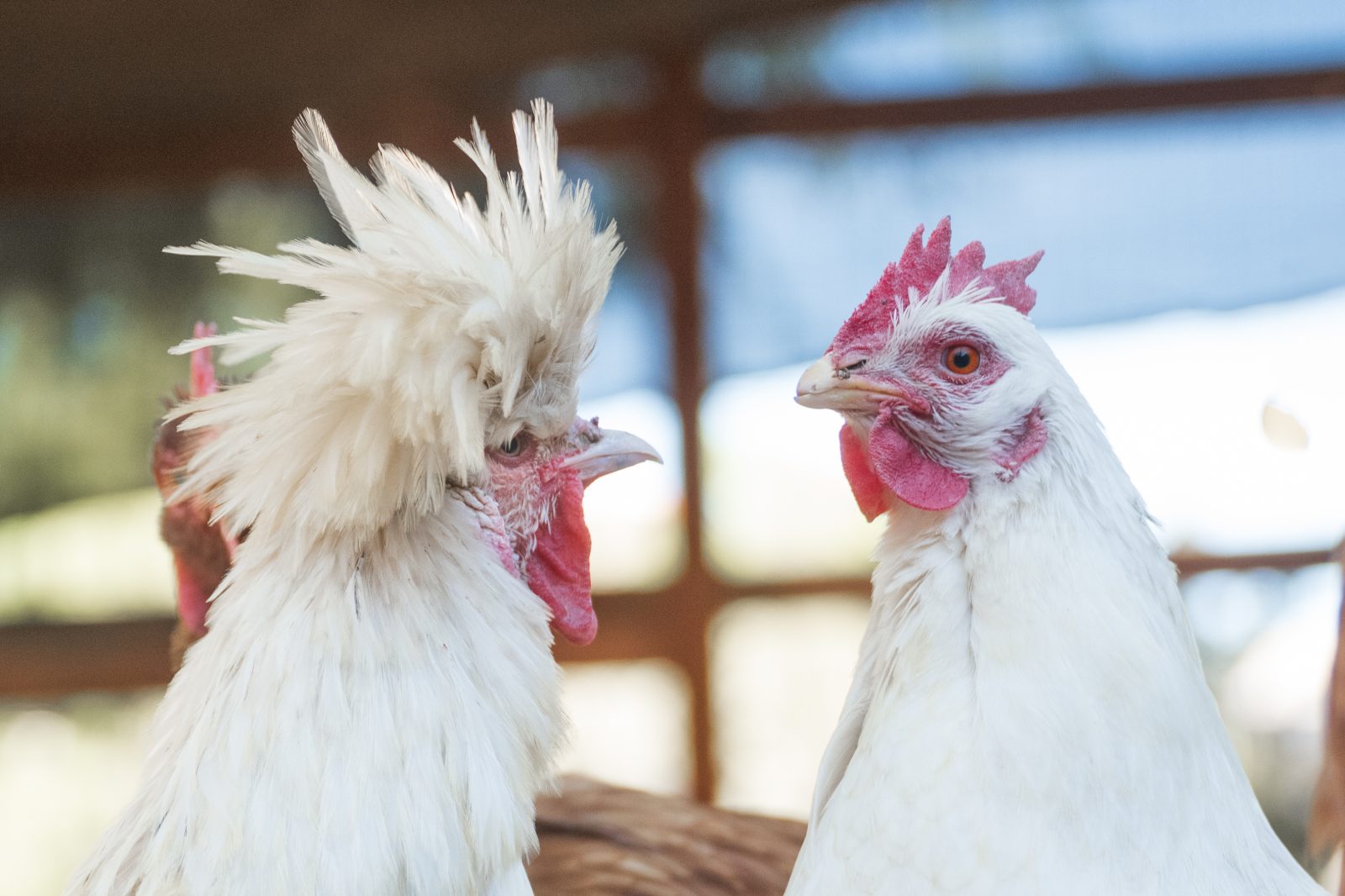
Rescued chickens David Bowie and Shoshanna look at each other at Farm Sanctuary

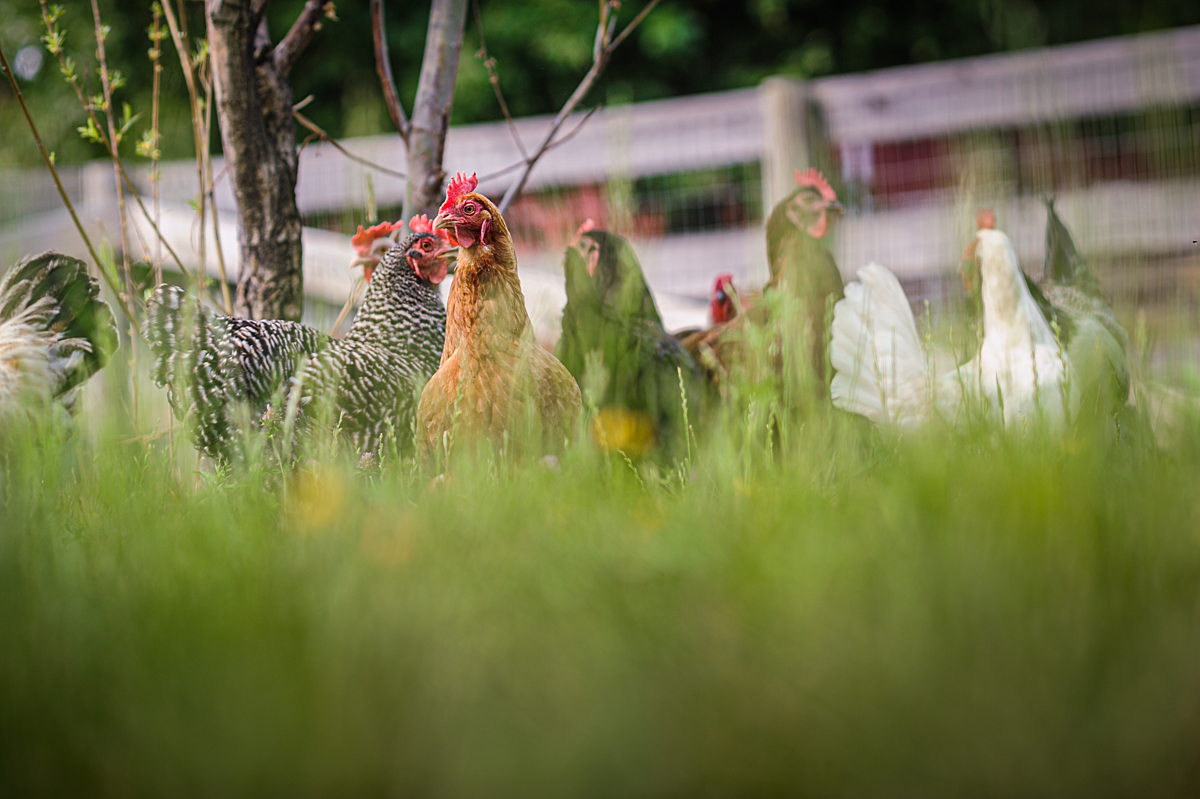
1. Chickens show empathy.

Chickens “catch” each other’s feelings, experiencing emotional responses when they witness another bird feeling that same way. For example, a mother hen may become visibly upset upon seeing or hearing that her chicks are in distress. This “emotional contagion” is a simple form of empathy also experienced by humans and other socially complex species. Happy chicken, happy flock!

2. Cows can be optimists.

Cows have unique personalities and exhibit cognitive bias, meaning their emotions influence how they interpret situations and make decisions. A cow who has recently experienced stress may be hesitant to approach a new task. In fact, some calves consistently display optimistic or pessimistic tendencies, suggesting that, yes, some cows see the trough as half full!

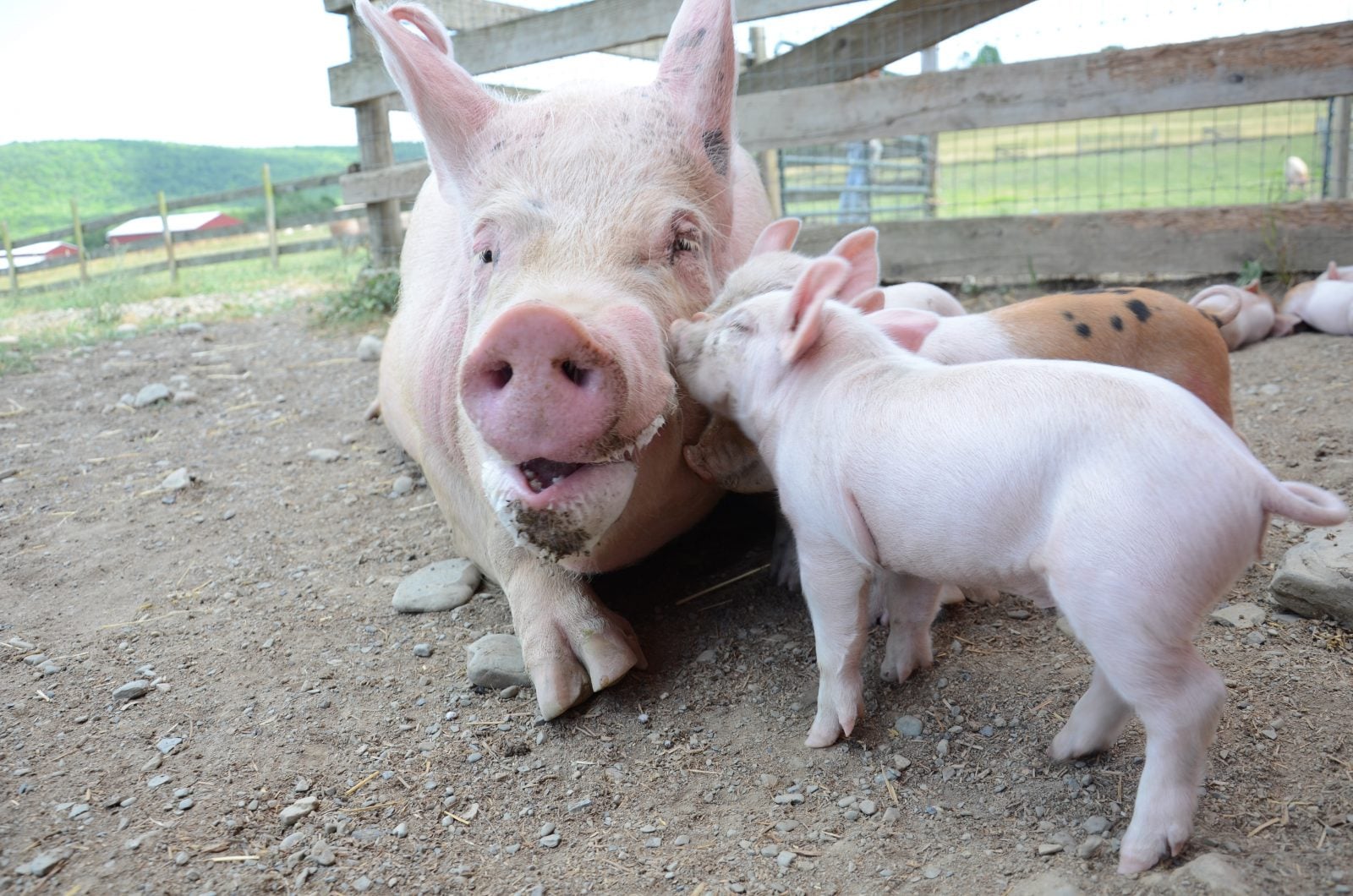
Rescued pig Julia is nuzzled by her piglets at Farm Sanctuary

3. Mother pigs sing to their piglets.

Mother pigs form strong bonds with their babies and communicate with them using a variety of vocalizations while nursing—including singing! We like to think their favorite artists might include Pig Floyd, Piggy Azalea, or The Notorious P.I.G.

4. Ducks have different accents depending on where they live.

Not all ducks quack the same way. Ducks living in rural areas tend to make quieter or longer calls, while city ducks often quack more loudly to be heard over urban noise as if to say, “Eyy, I’m quackin’ ova’ here!”

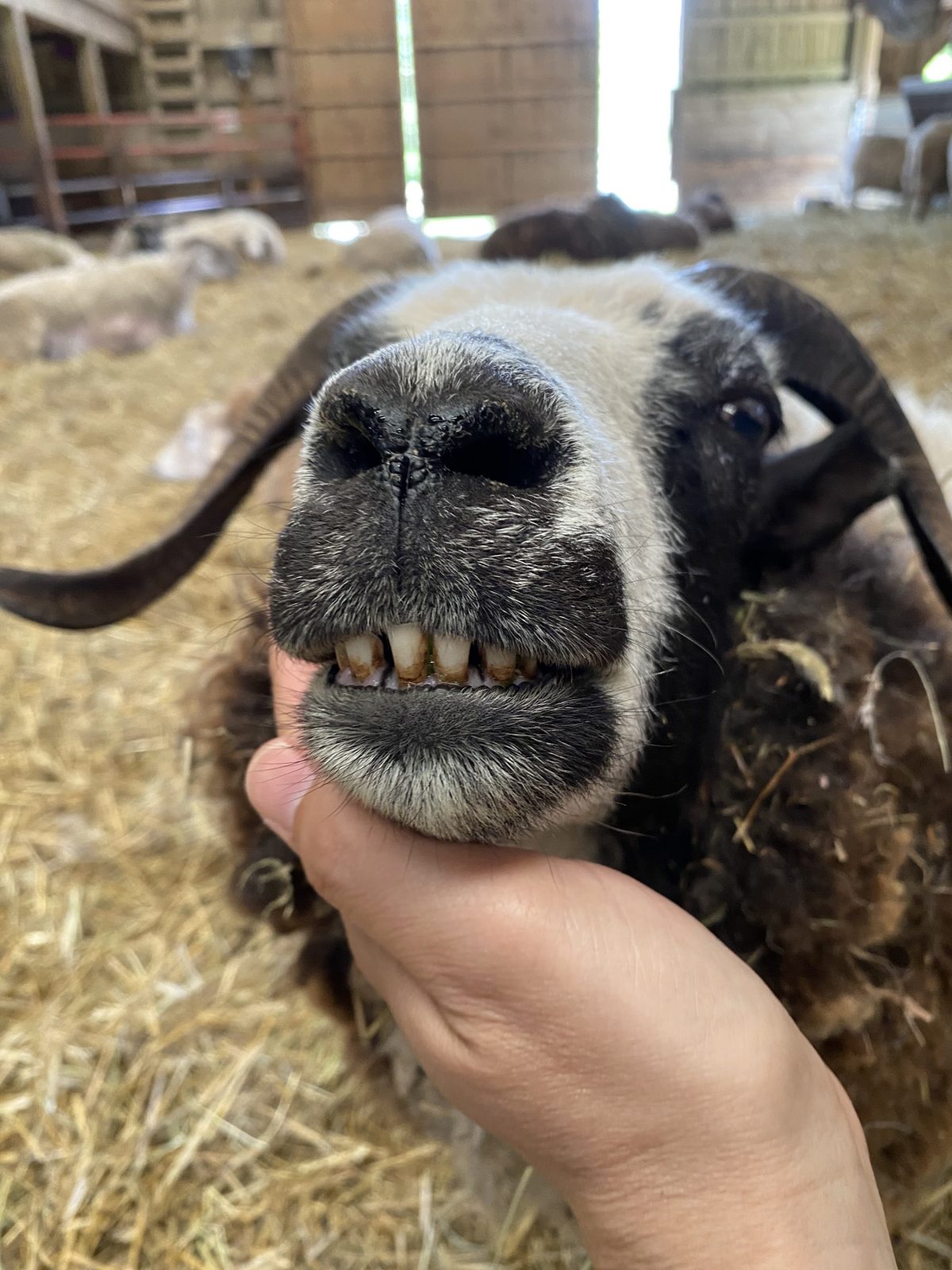
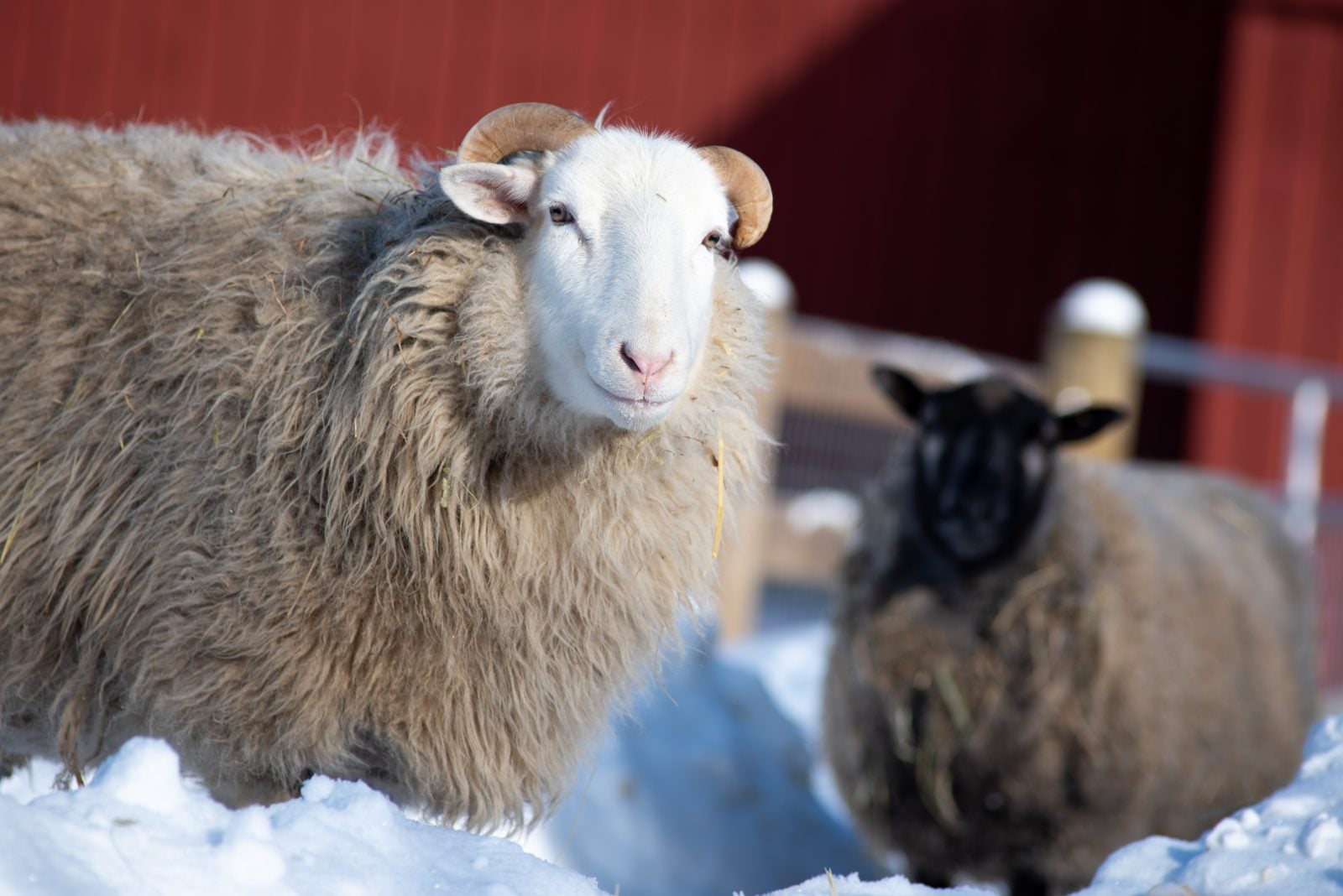
Rescued sheep Sarah smiles while getting pets at Farm Sanctuary

5. Sheep recognize emotions on each other's faces.

Sheep don’t just recognize their herdmates, but they can also perceive emotions on another sheep’s face and tend to show a preference for happy expressions. They can also recognize human faces, even those they aren’t familiar with—and even in photos! “Hey, I recognize ewe!”

6. Turkeys can change color according to their moods.

Similar to octopuses, chameleons, and iguanas, who change color to blend into their environments, turkeys change color to convey different moods and emotional states. More specifically, the skin on a turkey’s head will shift in hue depending on what they’re doing or who they’re trying to impress. Male turkeys become redder during courtship with females or confrontations with other males. Who knew turkeys could be such fiery redheads?

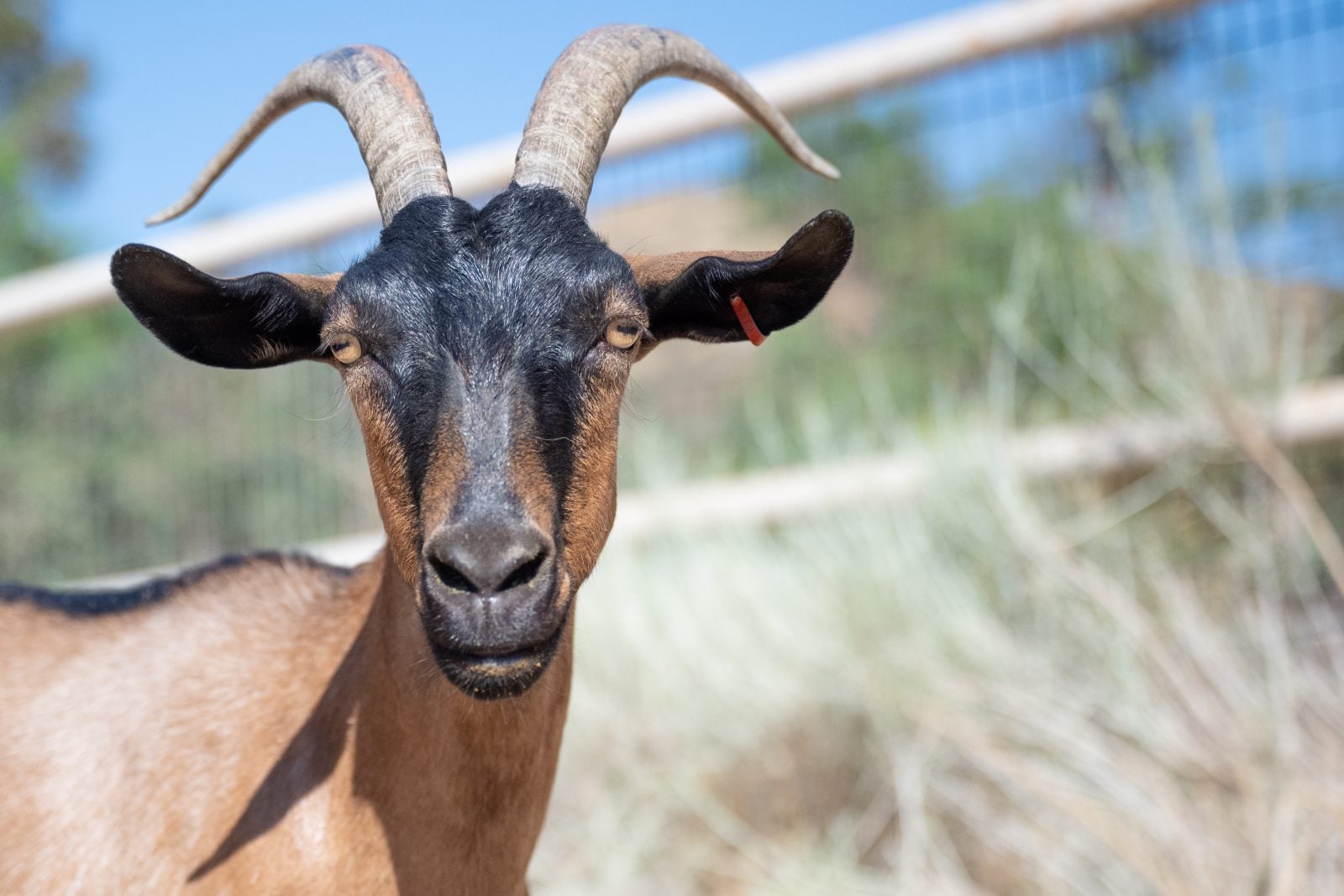
Rescued goat Junco stands in pasture in front of long white grass and gate at Farm Sanctuary

7. Goats may communicate using their gaze.

When faced with a task they can’t solve, goats—like dogs and horses—will look to a nearby human for help. After assessing whether the person is paying attention, a goat will use their gaze to express themselves, as a way of communicating that they could use a hand. No kidding!

8. Pigs roll in mud for protection from the sun.

Pigs don’t wallow in mud because they enjoy being dirty! Since pigs can’t sweat, mud helps cool them down and protects their sensitive skin from sunburn. At Farm Sanctuary, pigs receive additional sun protection with sunscreen.

Bonus fact: The phrase, “I’m sweatin’ like a pig,” actually refers not to pigs but pig iron, a crude form of iron that forms beads of moisture on its surface as it cools.

9. Chickens perceive time and anticipate future events.

Chickens can perceive the passage of time and use memories from past experiences. Like pigs and great apes, they can also anticipate future happenings and may even exhibit self-control when expecting a reward. No ruffled feathers for these clever birds.

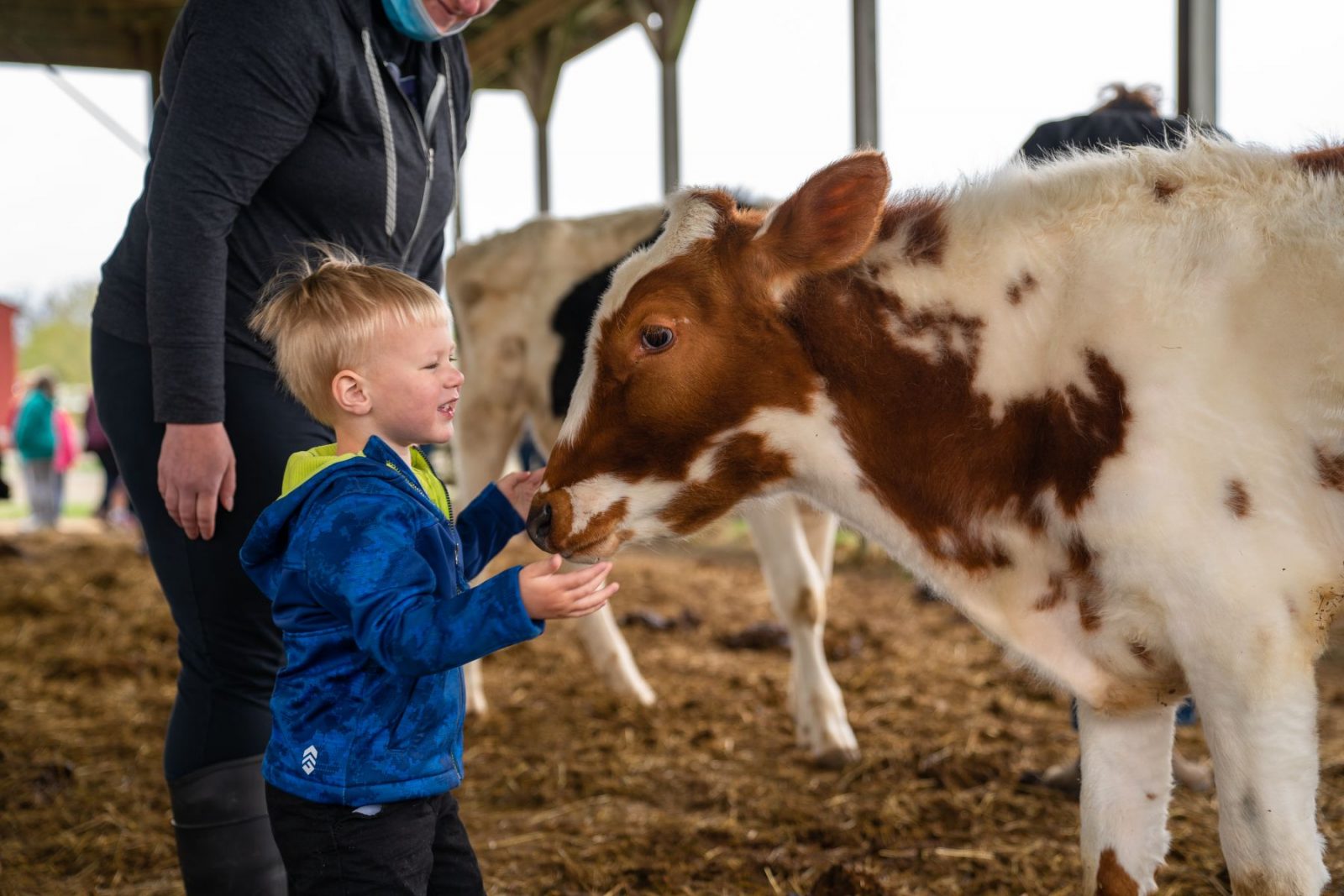
Boy with Hayes calf

10. Cows love to play.

At our sanctuaries, cows frequently engage in play—running, kicking, leaping, and interacting with each other and with toys. Studies of cows on dairy farms show that they tend to play more when their welfare is better, such as when they are well-fed or housed with companions. On the other hand, when calves are weaned early or experience pain, their play decreases. That’s a fact worth ruminating on.

11. You can help build a peaceful world for farm animals.

For 40 years, Farm Sanctuary has worked to create a more compassionate world for all animals, regardless of species. What began with one caring person—our Co-founder, Gene Baur—and a sheep named Hilda, has grown into a global movement to rescue farm animals, educate people about their lives, and advocate for more humane policies on their behalf.

When Gene rescued Hilda in 1986, he proved that one person can make a difference—one that ripples outward in unimaginable ways. Find out the many ways you can make a powerful difference for farm animals by becoming part of Farm Sanctuary’s mission.

Get the Latest News

Sign up for Farm Sanctuary emails to receive the latest on rescues, timely ways to help farm animals, campaigns, events, and more.

Sign Up