
Fiber: The Unsung Hero of World Health Day

Three containers of salad with veggies and beans

Fiber: The Unsung Hero of World Health Day

Eating a fiber-rich plant-based diet is one of the most powerful ways we, as individuals, can positively impact our health. This World Health Day, we’re celebrating this unsung carb that does so much to keep us well.

April 7 is World Health Day, a celebration of 78 years of lifesaving work by the World Health Organization. This year’s theme is “Together for health. Stand with science.”

Nutrition is critical to human health and well-being, and an ever-growing body of scientific research shows the benefits of a plant-rich diet. That’s why Farm Sanctuary’s advocacy programs aim to expand access to healthy, plant-based foods. As we work toward this critical goal, we also advocate for choices that benefit individual health outcomes—like avoiding some of the most common preventable diseases by eating a fiber-rich plant-based diet. Did you know that fiber is not found in any animal-based foods?

With its accessibility and wide-ranging health benefits, fiber deserves its own celebration this World Health Day and all year long!
What is fiber anyway?

Dietary fiber is the indigestible carbohydrate part of plant foods like fruits, vegetables, legumes, whole grains, nuts, and seeds. While other nutrients like fats, proteins, and most carbs are broken down and absorbed by the body, fiber actually passes somewhat intact through the entire digestive system—and does a lot of good along the way!

Fiber's role in our health

Fiber is probably best known for promoting regular elimination, but it does so much more, too! It’s truly the unsung hero of human health.

Fiber comes in two types—soluble and insoluble—and each plays an important role in our health. Soluble fiber dissolves in water, forming a gel-like material in our stomachs that helps with digestion and other bodily processes. Insoluble fiber, which cannot be dissolved in water, adds bulk to our stool and, yes, keeps us regular.

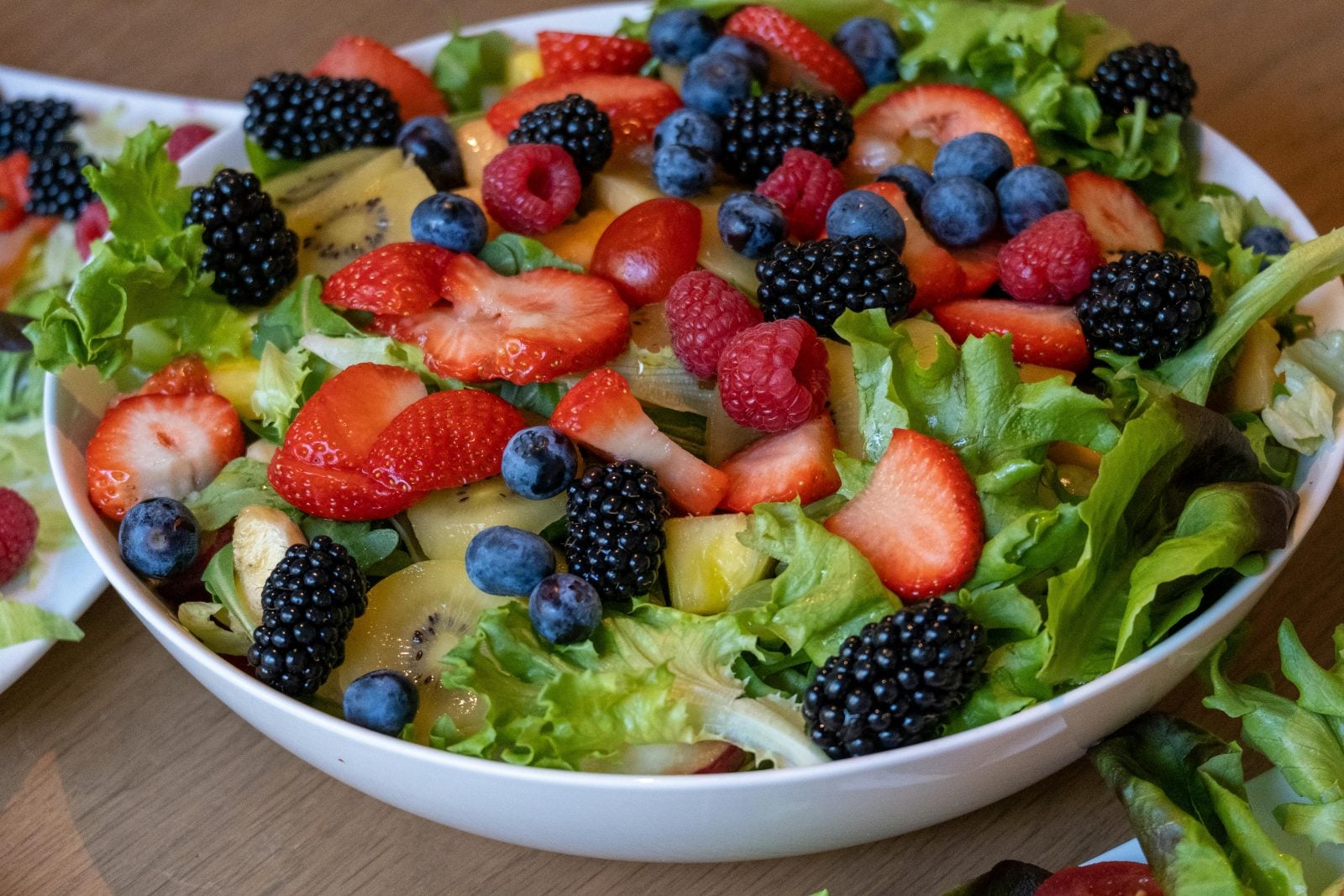
A white bowl filled with lettuce, strawberries, raspberries, blueberries, blackberries, kiwi, and pineapple

Many of the body’s most protective systems—especially digestion, metabolism, and immune function—rely on fiber. It works in the gut to regulate inflammation and influence how the body responds to insulin, the hormone that regulates blood sugar. Fiber also strengthens the intestinal barrier, allowing our bodies to absorb beneficial nutrients while preventing harmful pathogens, toxins, and antigens from entering our bloodstreams.

Fiber binds to bile acids and cholesterol in our digestive tracts, limiting their absorption into the bloodstream. Instead, they are excreted, prompting our livers to use more cholesterol from our blood to create more bile acids, thus lowering LDL (bad) cholesterol.

A high-fiber diet reduces strain on the cardiovascular and metabolic systems over time and lowers the risk of chronic conditions like heart disease, type 2 diabetes, and certain cancers. In other words, by getting enough fiber, you’re investing every day in your body’s long-term well-being and preventing some of the most common and costly diseases.

Meeting our fiber needs

The Dietary Guidelines for Americans recommend that adults consume 22-34 grams of fiber per day, depending on sex and age. With so many health benefits offered by fiber, it’s unfortunate that most U.S. adults only get about half this amount.

Adopting a vegan diet can help. Fiber can only be found in plant foods, so eating a plant-based diet makes it dramatically easier to get enough fiber. Animal products such as meat, dairy, and eggs contain zero fiber.

Tips for getting more fiber

1. Center your meals around plant foods. By doing so, you’ll naturally replace zero-fiber foods with fiber-rich ones, increasing your intake without needing to micromanage nutrients or rely on supplements.

2.  Know the best sources. While all plant foods contain some fiber, the best sources have at least 5 grams per serving. Split peas, lentils, and black beans all have at least 15 grams of fiber per serving. Peas have 9 grams, raspberries have 8 grams, and whole wheat pasta has 6 grams.

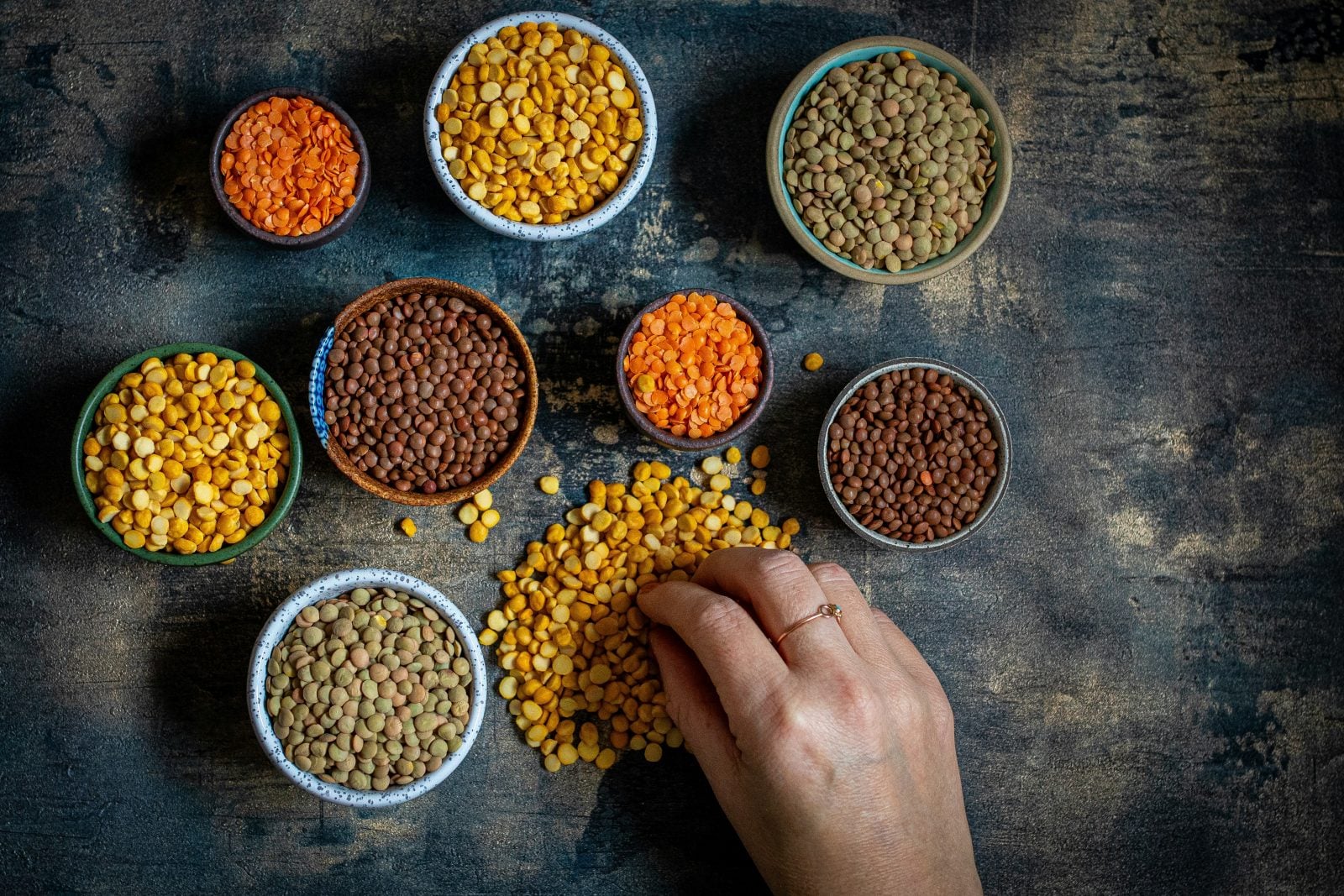
A hand reaches for yellow lentils and bowls filled with green, brown, and yellow lentils

3. Ease into the change. Avoid drastically increasing fiber intake in a short period of time, as that can lead to bloating, gas, or other discomfort. Take it slow and drink plenty of water to avoid gastrointestinal issues.

4. Replace refined foods with whole grains. Choose whole-grain products, including breads, pastas, and bran cereals. Look for the word “whole” on the ingredients list, and avoid misleading marketing labels like “enriched, multigrain, and wheat.”

5. Load up on legumes. Legumes, like lentils, black beans, pinto beans, and split peas, are not only good sources of fiber, but protein, too. A vegan diet easily provides plenty of both—and lentils in particular are a great source. (For more on protein, check out our best tips for getting protein from plants.)

6. Eat more fruits and veggies. If it sounds simple, that’s because it is! Any vegetable can be added to a meal as a side dish, flavored with whatever spices you enjoy. Fruits can accompany breakfast, lunch, or be eaten on their own as a healthy snack. Raspberries, pears, apples, peas, broccoli, and turnip greens are all good sources of fiber.

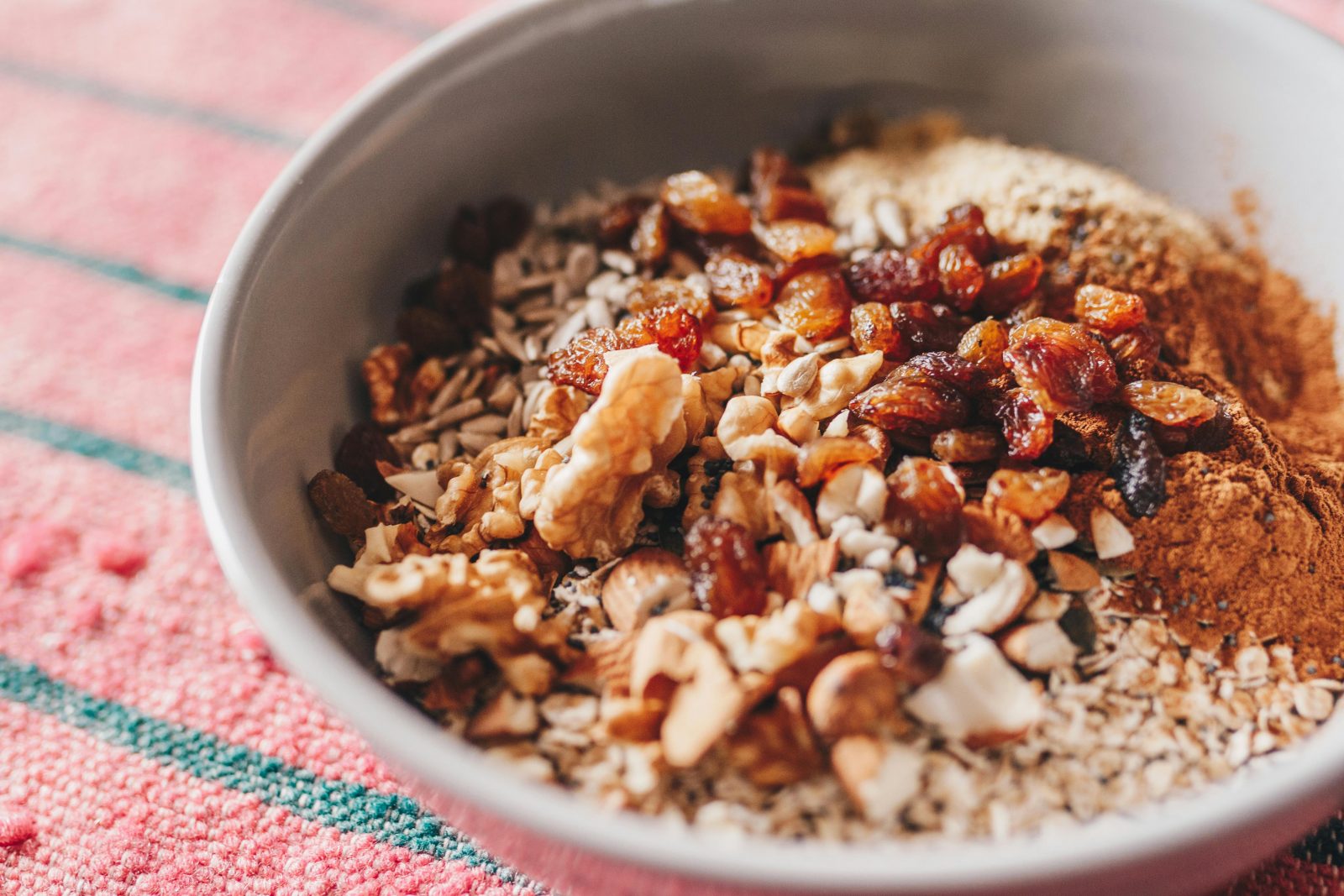
7. Top it off with nuts and seeds. Top your cereal or oatmeal with flaxseeds, chia seeds, or almonds. Include peanuts and sunflower seeds in your favorite salad. Experiment with making cheeses, sauces, and spreads out of cashews. The fiber options are endless!

Gray bowl filled with oats, nuts, and seeds

Three of the biggest drivers of preventable disease and healthcare costs are heart disease, hypertension, and type 2 diabetes. A high-fiber plant-based diet is associated with a lower risk of all three and more. 

When we eat plant-based diets, we improve our overall health and therefore reduce healthcare costs and lessen the strain on healthcare systems, helping not only ourselves but also our neighbors and global communities. So, go forth and fuel up on fiber!

Learn More

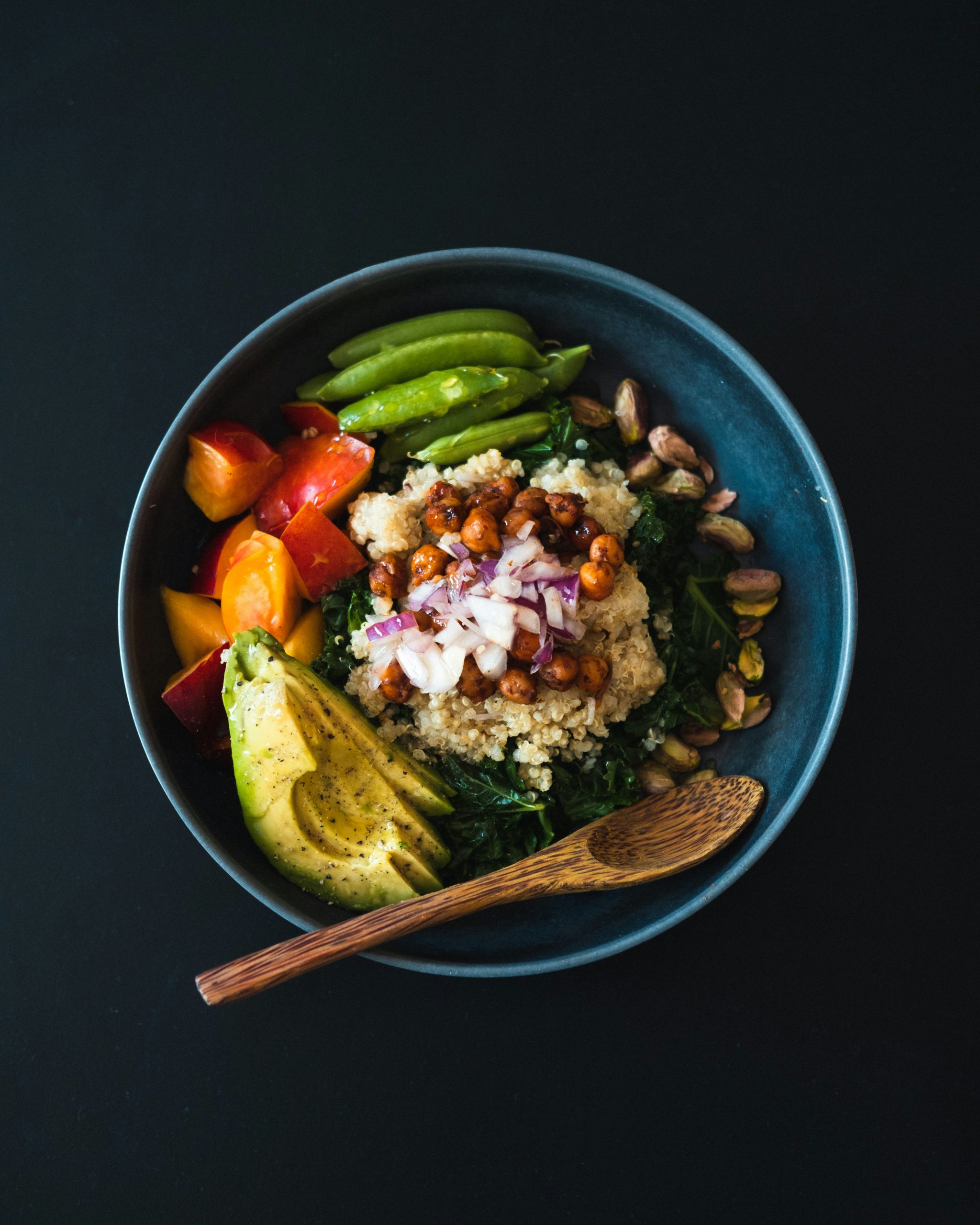
Bowl with spoon and avocado, rice, snap peas, onions, and other veggies

Sign up for Farm Sanctuary emails to learn more about compassionate and sustainable plant-based living as well as the latest on our work for animals, people, and the planet.

Subscribe