

In fact, an October 2025 report named factory farming the “world’s biggest cause of food waste.”
Read on to find out why an industry that produces so much food is contributing to world hunger.
Noah Marsten/Djurrattsalliansen/We Animals
Noah Marsten/Djurrattsalliansen/We Animals
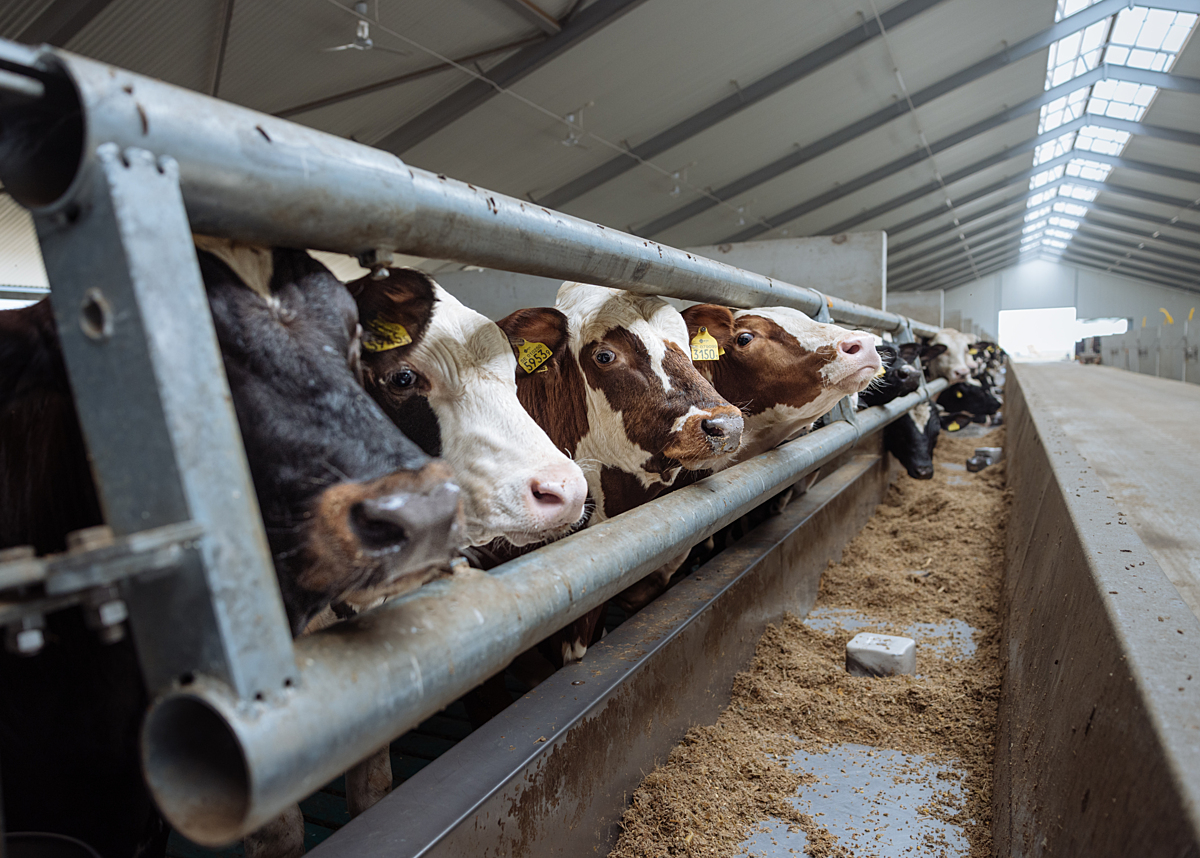
The United States produces enough food to feed an estimated 136% of its population, yet as much as 40% of it is never consumed. You may be surprised to learn that factory farming, often touted as a way to feed everyone, is actually wasting massive amounts of food.
In fact, an October 2025 report named factory farming the “world’s biggest cause of food waste.”
Read on to find out why an industry that produces so much food is contributing to world hunger.
Havva Zorlu/We Animals
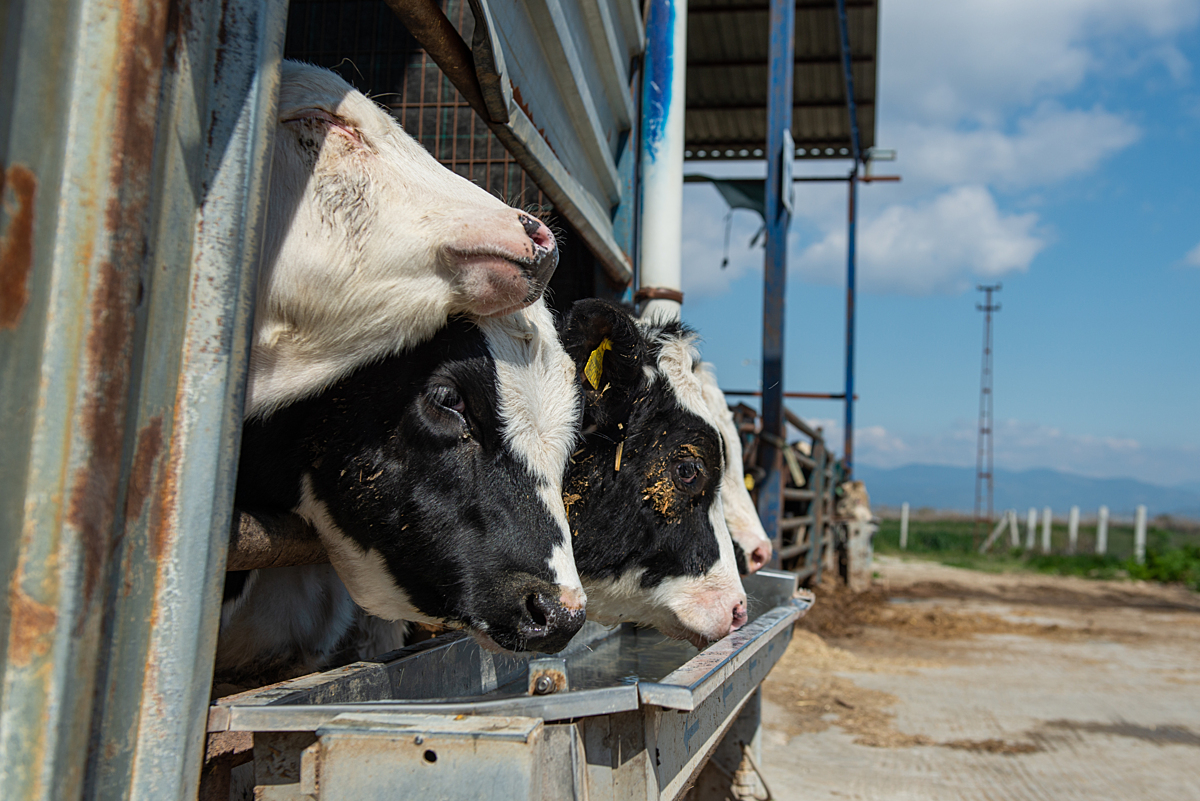
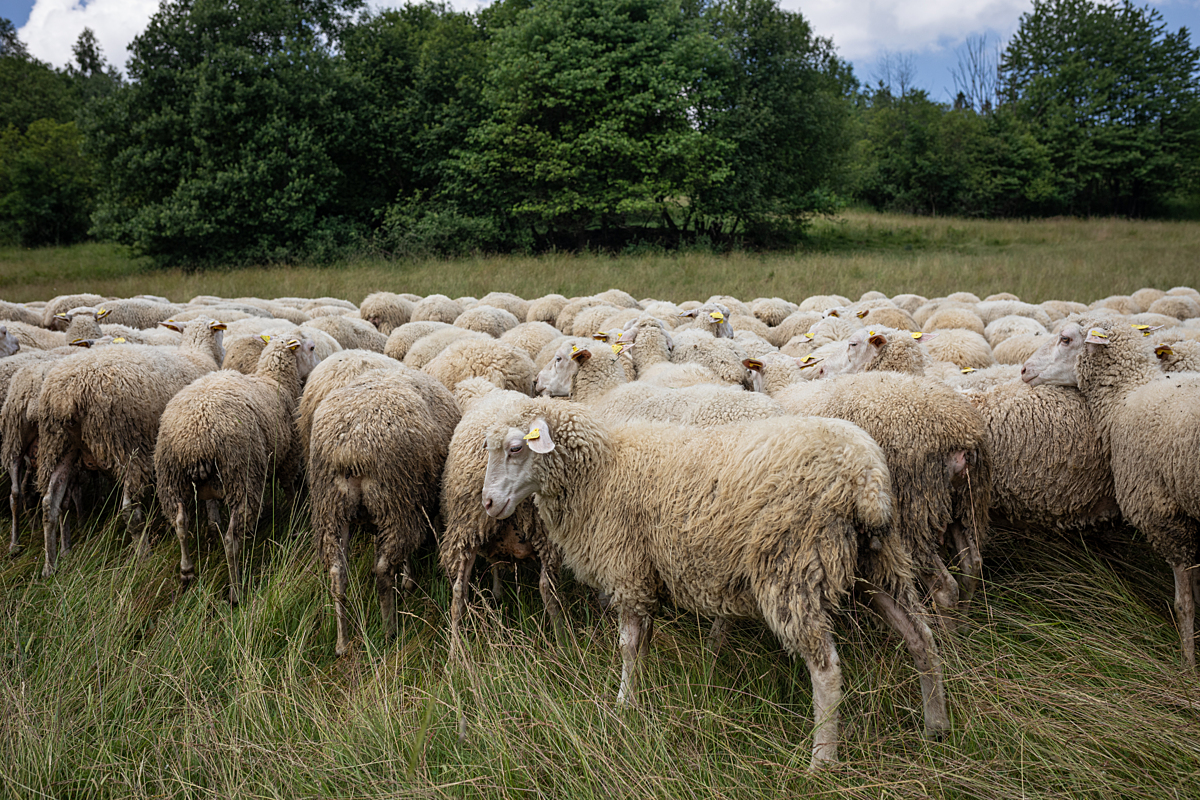
It is estimated that over 90% of animals farmed worldwide are kept in Concentrated Animal Feeding Operations (CAFOs). As the name suggests, in these facilities, commonly called factory farms, hundreds or thousands of animals are fed massive amounts of feed—and much of it comes from food that could directly feed humans.
The 2025 report from Compassion in World Farming (CIWF) concludes that 2 billion more people could be fed if we stopped feeding edible grains to animals on factory farms, a staggeringly inefficient practice: Giving 100 calories of grain to farm animals produces only 3-25 calories of meat, and if we continue on the path our food system is currently on, it will take double the grain to feed all factory-farmed animals by the year 2040.
Already, over 40% of the world’s grain goes to the animal agriculture industry.
Zuzana Mit/We Animals
Between grazing and crop production for feed, animal farming takes up 80% of global agricultural land. Despite this overwhelming presence and heavy resource use, the industry accounts for only 17-18% of the world’s calories and 40% of its protein.
In comparison, plant-based foods provide 82% of global calories and 60% of global protein, while requiring fewer resources than meat production. Research shows that a global shift to plant-based diets could reduce agricultural land usage by 75%. Want to start getting your protein from plants for a more sustainable diet? Here are nine simple tips!
Jo-Anne McArthur/We Animals
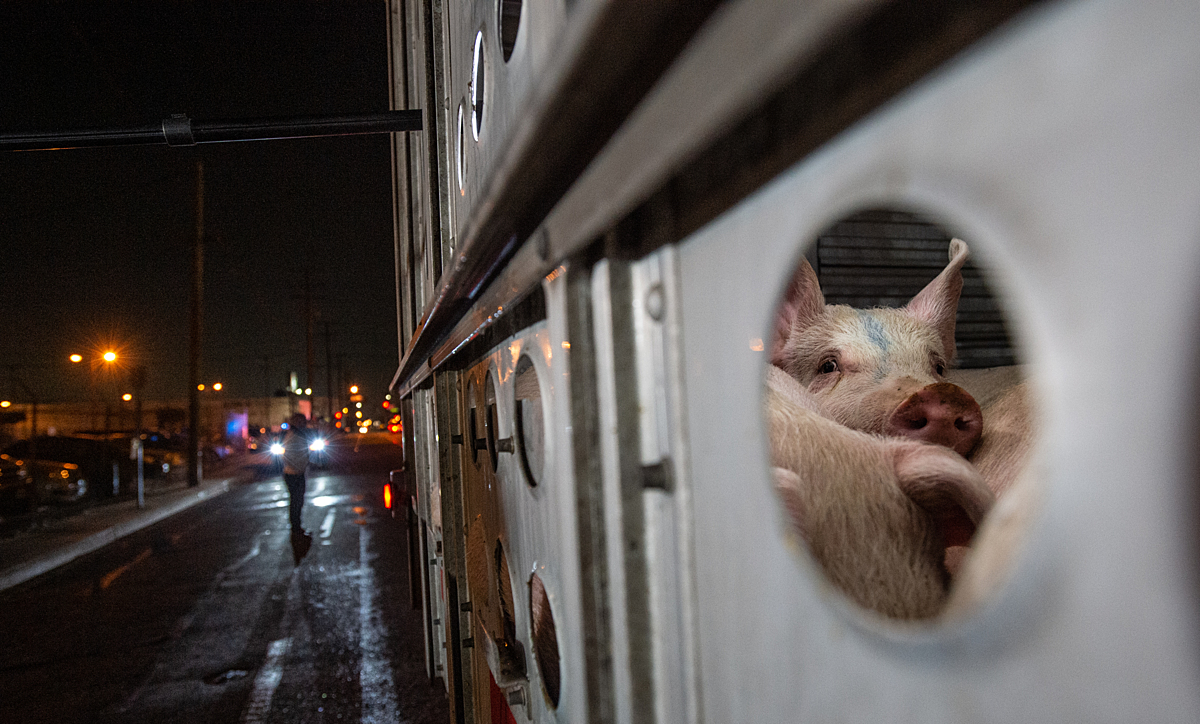
Each year, billions of farm animals are bred to die for human consumption, and making the situation even more tragic is the fact that many of them won’t even survive long enough to be sent to slaughter. This means that after lives of suffering, billions die for no reason at all.
A 2023 study estimated that 1 in every 4 animals raised on a factory farm will never make it to a plate. Around 1.5 million animals die on U.S. farms every day, and many are chickens. Today’s chickens, commercially raised for meat, are bred to grow unnaturally large very quickly, leaving many unable to support their own body weight, suffering from injuries or even heart attacks. Over half a million chickens die on farms each year.
Those who survive must face a grueling drive to a slaughterhouse. Around 20.5 million animals perish during transport annually, with chickens alone accounting for 20 million of those deaths.
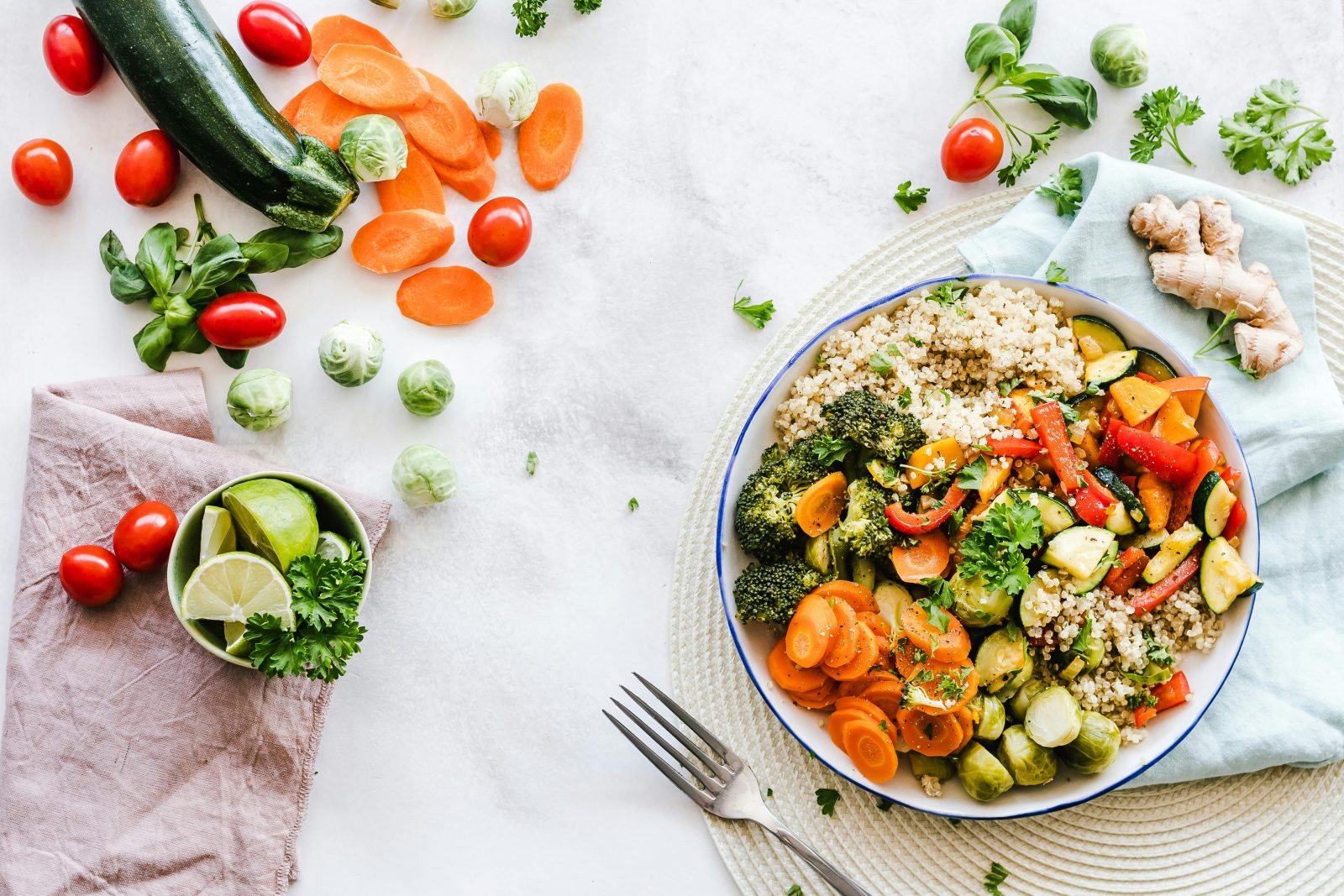
Food waste is a major issue, but you have the power to combat this crisis every time you choose a plant-based meal! Research shows that the world produces enough crops to feed everyone, but to do so, we must eat more plants and far less meat.
Policy change is needed to make our broken food system more efficient and sustainable, if we are to feed the world. That being said, we—organizations and individuals—must do our part, too. That’s why Farm Sanctuary has implemented various strategies to reduce food waste at our Watkins Glen site, in addition to broader efforts.
In 2025:
These efforts are part of a broader sustainability focus as we continue protecting the environment and local ecosystems in all that we do.