
No Dairy Needed: Getting Calcium on a Plant-based Diet

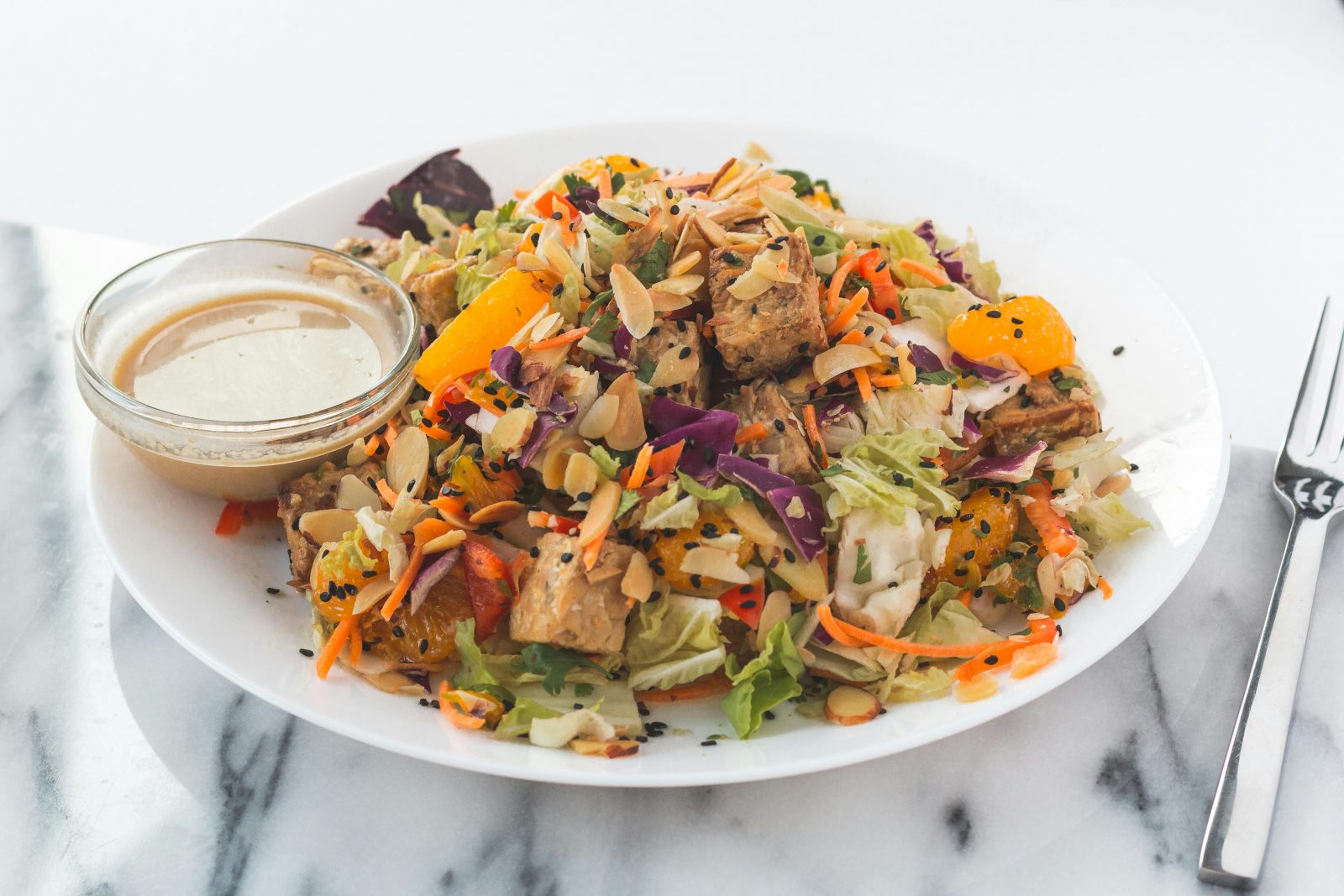
Vegan fruit, veggies, and seed salad with dressing

No Dairy Needed: Getting Calcium on a Plant-based Diet

Calcium is essential for strong, healthy bones—but cow’s milk isn’t the only, or even the best, source. Learn how to meet your calcium needs with plant-based foods, and how this approach benefits your health, the planet, and animals.

For decades, the dairy industry has pushed consumers to equate cow’s milk with good health. In the 1980s, a popular ad campaign by the National Dairy Board told us that milk “…Does a Body Good.” In the 1990s, the California Milk Processor Board doubled down with its “Got milk?” campaign, which featured celebrities sporting milk mustaches.

Calcium is undeniably important, but it doesn’t have to come from cow’s milk. In fact, we can obtain all the calcium we need from plant-based foods, while enjoying additional health benefits, causing less harm to the environment, and leaving animal cruelty off our plates.

Read on to discover what calcium does, how much we need, and how to get enough from plant-based sources.
Calcium and its role in the body

Calcium is a vital mineral that helps build and maintain strong bones and teeth. About 99% of the calcium in our bodies is stored in our bones and teeth, while the remaining 1% supports critical functions in our blood, muscles, and tissues.

Our bodies cannot produce calcium, so we must get it through food and supplements. Consuming adequate levels of calcium helps to prevent bone loss and reduces the risk of conditions like osteoporosis and fractures—especially as we age. While these conditions affect women at higher rates than men, they can occur regardless of gender.

A note on bone health

Calcium is critical, but it’s one of several important factors in bone health. We should also maintain a healthy weight, engage in weight-bearing exercise, and consume enough key nutrients, like vitamins D and K, as well as magnesium, potassium, and phosphorus. It’s also important to limit sodium and caffeine intake, avoid smoking, and consume enough protein and vitamin B12.

Recommended calcium intake

Calcium needs vary by age, sex, and life stage. Most adults require about 1,000-1,200 mg per day. Teenagers need more to support their growth, and older adults often require higher intake as their bodies’ ability to absorb calcium declines.

While cow’s milk, cheese, and yogurt are often promoted as good sources of calcium, plant-based options can meet all our calcium needs—with none of the downsides that come with dairy.

The hidden costs of cow's milk

Like all animal agriculture, dairy production involves inherent animal suffering. Since cows are mammals like us, they must give birth in order to produce milk. Female cows in the dairy industry are subjected to a continuous cycle of forcible impregnation and separation from their newborn calves, so that humans can consume their milk. Experiencing this trauma even once causes suffering; a lifetime of it is almost unimaginable.

Male cows born to dairy operations are either killed or quickly sold off to be raised and slaughtered for meat, since they’re not useful in milk production. The dairy industry is actually the invisible engine that keeps the cruel veal industry running.

Dairy production causes harm to the planet, as well—at alarming levels. Cow’s milk causes around three times as many greenhouse gas emissions as plant-based alternatives, uses 10 times as much land, and takes up to 20 times as much water.

Switching from cow’s milk to vegan milks can reduce your environmental impact while avoiding harm to animals.

Vegan sources of calcium

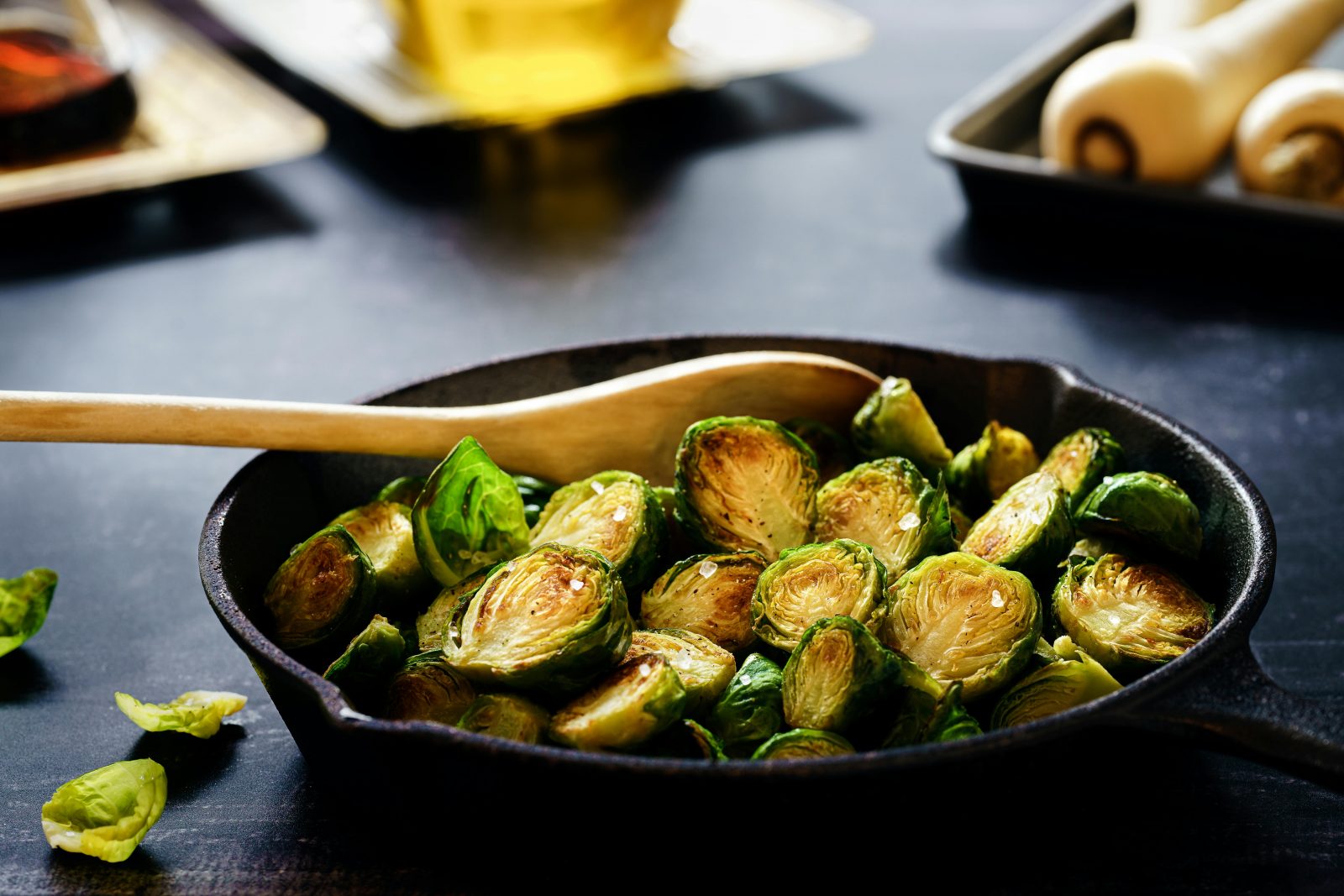
Spoon in bowl filled with Brussels sprouts

While vegans, on average, consume less calcium than non-vegans, meeting daily needs on a plant-based diet is easily achievable.

Calcium-rich plant foods include kale, mustard greens, turnip greens, and collard greens. Dried figs, bok choy, broccoli, and Brussels sprouts are also good sources. 

Since we typically absorb only 25-30% of the calcium we eat, it’s helpful to include foods that are rich in easy-to-absorb calcium. Vegan Health recommends consuming calcium-set tofu, fortified plant milk, or a supplement each day. Vitamin D boosts our calcium absorption, so adding a side of fortified plant milk or orange juice to meals can be helpful, too.

Start with calcium-rich vegan recipes like this tofu scramble wrap, or almond-chickpea yogurt from “The Vegan Creamery” by Miyoko Schinner.

By choosing plant-based sources of calcium, we can nourish ourselves while helping to create a kinder, more sustainable world. Now, that does a body good!

Learn More

Sign up for Farm Sanctuary emails to learn more about compassionate and sustainable plant-based living as well as the latest on our work for animals, people, and the planet.

Subscribe