Family separation in the food system
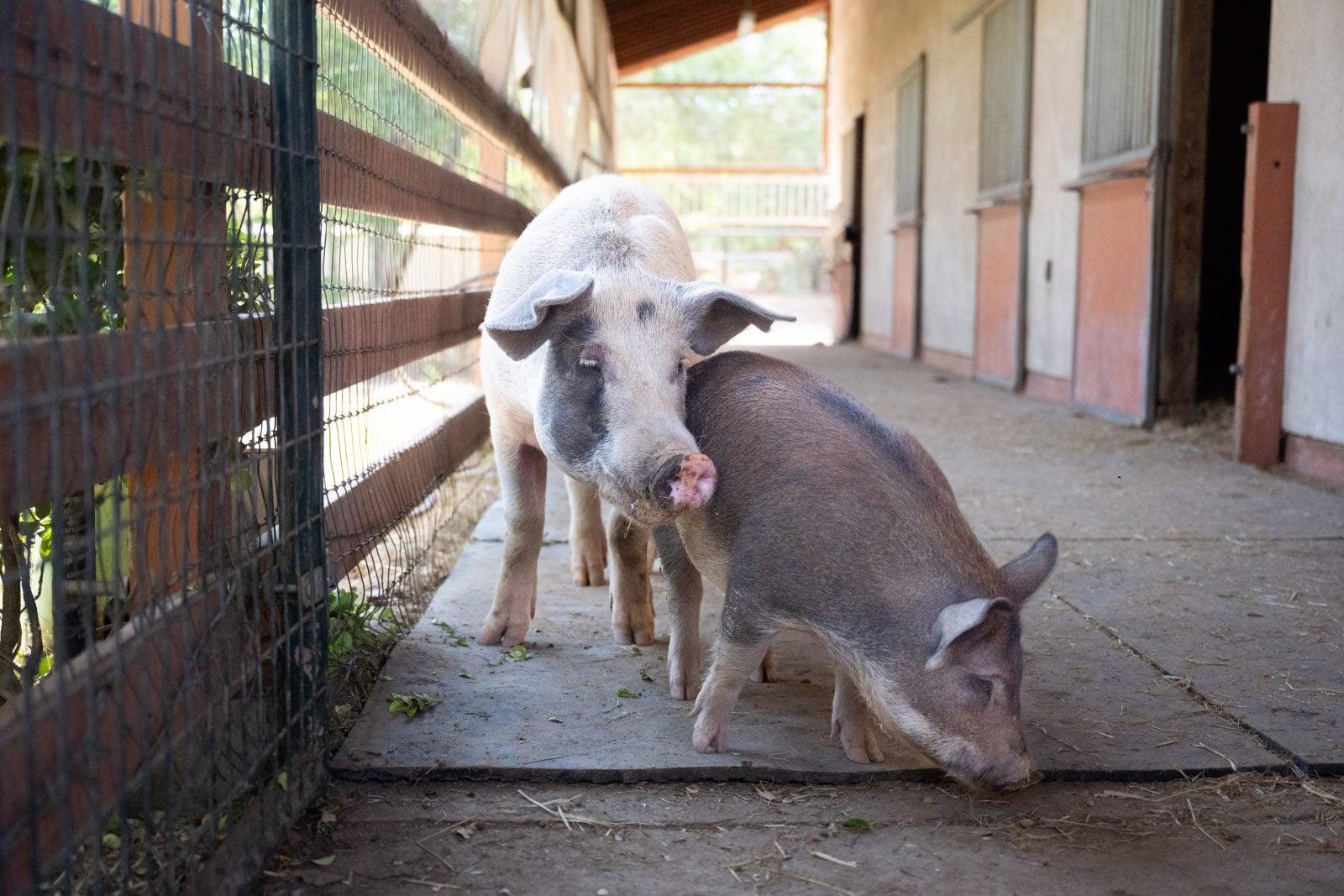
Family separation is standard practice in animal agriculture. On many pig farms, for example, sows are kept in gestation crates while pregnant, then moved to even smaller farrowing crates just before giving birth. In these farrowing crates, metal bars prevent the mothers from freely interacting with or caring for their newborn piglets.
On beef operations, young calves are torn away from their mothers and sent to feedlots to be fattened for slaughter. Regardless of species, nearly all animals raised for meat are subjected to this pattern of early separation.
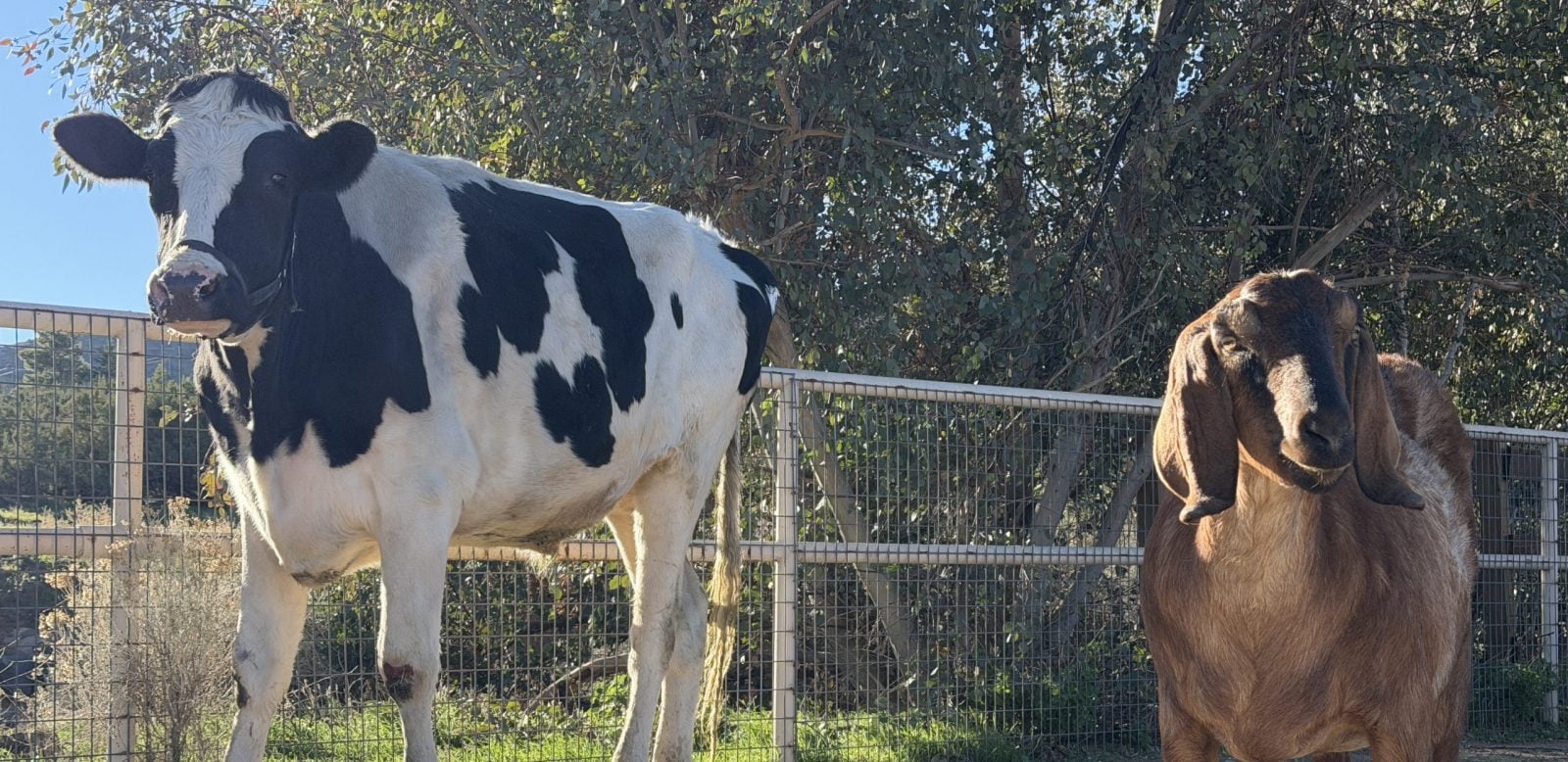
Families are separated routinely, even in sectors where meat is a byproduct, such as the dairy industry. Cows, like all mammals, must be impregnated and give birth in order to produce milk. Newborn calves on dairy farms are taken from their mothers within hours of birth, so their milk can be sold for human consumption. Mothers mourn for their babies, and calves often cry so much for their moms that their throats become raw. Goat milk farms operate under the same cruel model.
In the egg industry, unhatched eggs are taken from mother hens in hatcheries and placed into incubators, where machinery replaces maternal care. When the chicks hatch, the males—who have no value to egg producers—are killed immediately. The female chicks serve only to replace older hens who lay fewer eggs as they age.