Seven Ways a Plant-Based Diet Helps Wild Animals

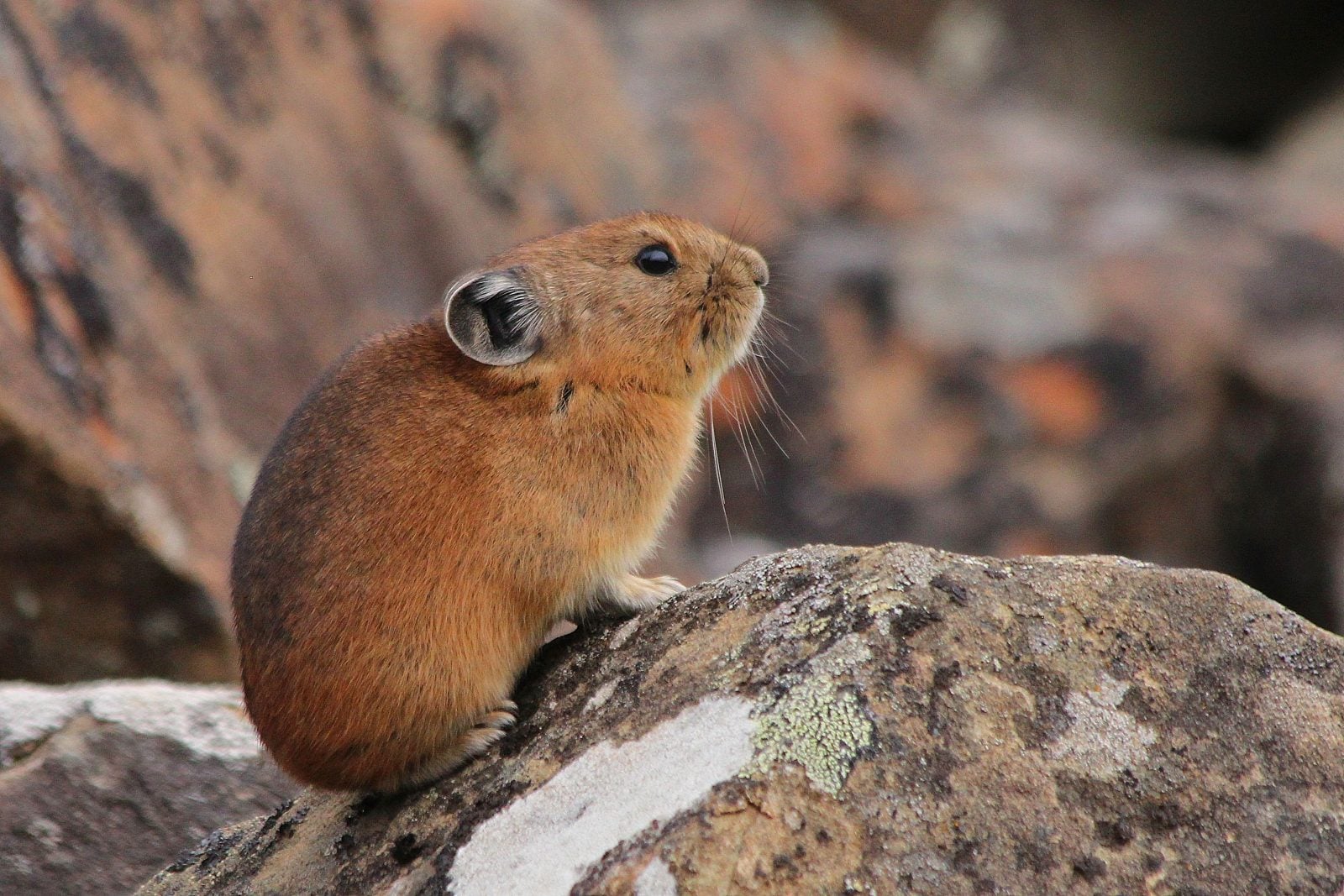
A pika looks up from rocks and snow

Seven Ways a Plant-Based Diet Helps Wild Animals

Switching to a plant-based diet is kinder not only to the farm animals used in our industrialized food system, but also to the wild animals who are too frequently put in the crosshairs, intentionally or not. This National Wildlife Day, we’re sharing seven ways that leaving farm animals off our plates actually helps to protect wild animals, too.

We all know that a plant-based diet is the most compassionate choice for farm animals. But did you know it also helps to protect wild animals?

Ninety-nine percent of animals killed for food in the U.S. are raised in animal factories—farms that treat living beings like commodities. These intensive, cruel facilities are not just horrible for the animals suffering inside them, but they’re also one of the worst causes of harm to wild animals, their habitats, and the valuable natural resources on which their lives depend. 

By leaving animals off our plates, we’re not only creating a better world for farm animals, but also for wildlife—from gray wolves to monarch butterflies and every wild species with whom we share the planet.

As we celebrate National Wildlife Day, here are seven powerful ways that switching to a plant-based diet helps wild animals to thrive.
1. Save gray wolves from targeted killing

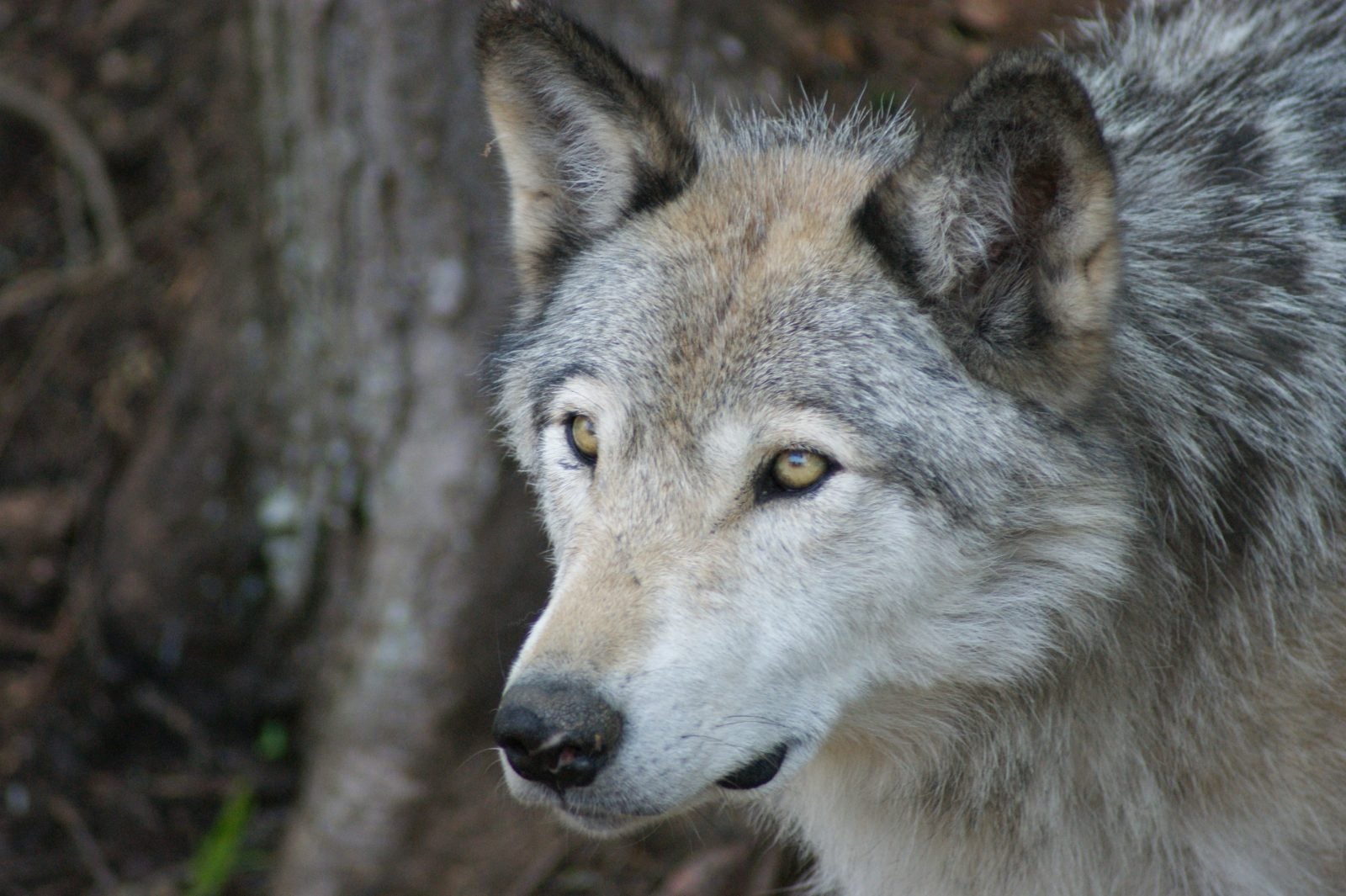
A gray wolf stands in front of bare trees

Despite their legal protections under the Endangered Species Act, gray wolves still face serious threats due to animal agriculture. As natural predators of grazing animals, gray wolves are targeted to protect the profits of the cattle industry.

A United States Department of Agriculture (USDA) program called Wildlife Services kills hundreds of thousands of wild predators every year, using poison, traps, and even shooting from helicopters. The government’s own reports show that agents killed nearly 400 gray wolves in 2020 alone. 

When we stop eating animals and animal products, we cut off our financial support from industries that perpetuate these cruel predator-control programs. Put simply, eating more plants helps keep gray wolves safe.

2. Prevent accidents and injuries to pronghorn

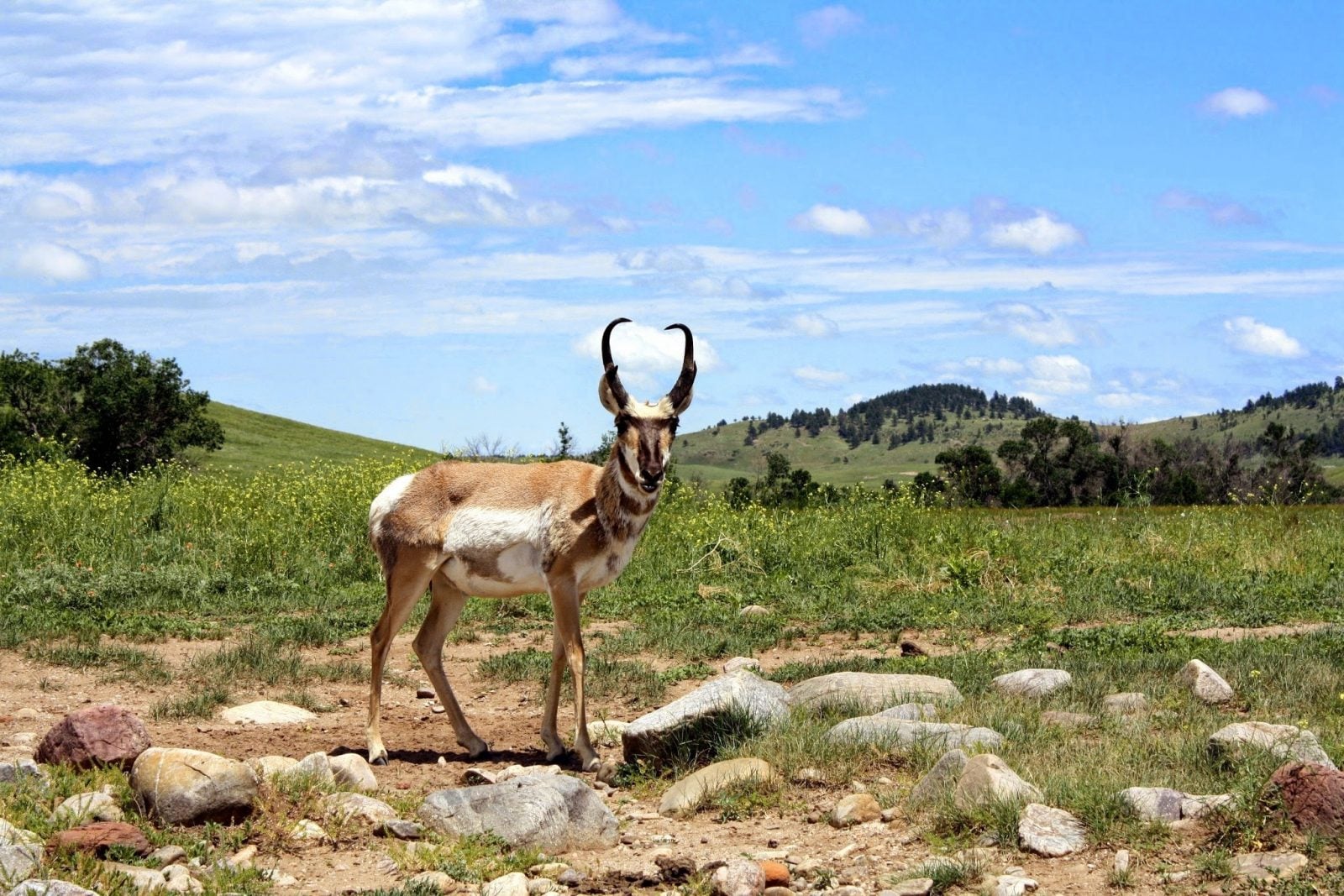
A pronghorn deer stands amid rocks in a grassy field

Animal agriculture doesn’t just kill predators intentionally—it also recklessly harms wild animals who happen to be in the path of its greedy expansion. With over half of U.S. land used for animal farming, millions of wild animals are forced to navigate a landscape made unfamiliar by agricultural infrastructure. Livestock fences have been erected all over the western plains to segment pastures and contain grazing animals. These barriers cause unintended consequences for wild animals like pronghorns, impeding migration and causing accidents.

Pronghorns migrate seasonally to forage, keep warm, and avoid predators. The fastest land mammal in the Americas, pronghorns move up to 150 miles at speeds of up to 60 mph. As fast as they are, though, they can’t jump. So when pronghorns encounter livestock fencing, they attempt to crawl underneath—often getting caught in or injured by the barbed wire.

Eating a plant-based diet reduces the need for such vast grazing pastures, leaving more land clear for animals like the pronghorn to live and roam.

3. Safeguard plants critical to monarch butterflies

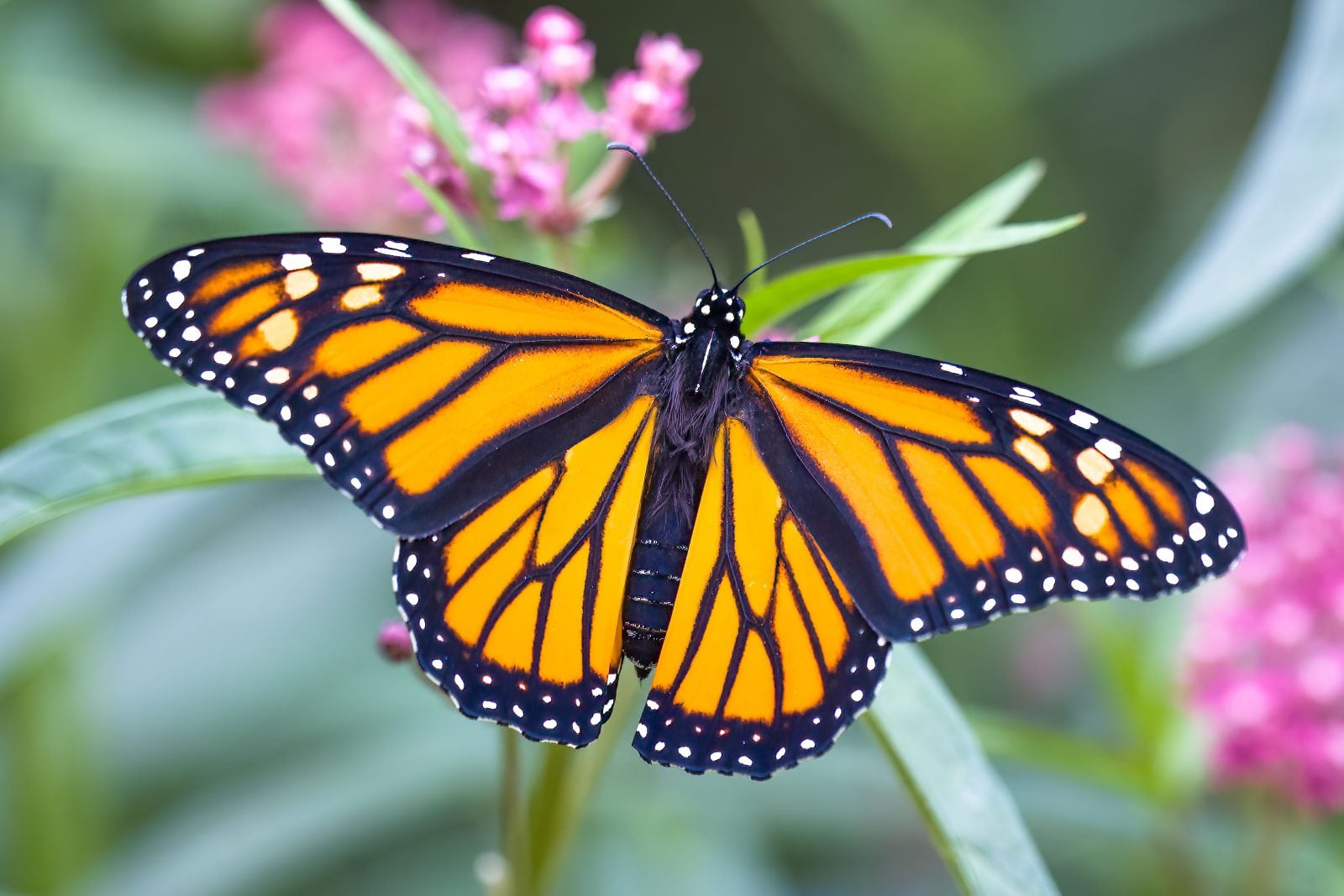
A monarch butterfly spreads wings while resting amid pink flowers

Much of the corn and soybeans grown in the U.S. is harvested for animal feed, not direct human consumption. To grow these crops more efficiently, farmers use genetically modified seeds and weedkillers, which have caused a massive decrease in milkweed along monarch migration routes. 

Because monarch caterpillars feed exclusively on milkweed leaves, losing this plant has been devastating: Eastern monarch populations declined by 88% between 1996 and 2020, and Western populations dropped by more than 99%.

As more people switch to a vegan diet, we will need far less land to grow animal feed, leaving room for native plants like milkweed to grow and revitalize monarch populations.

4. Save loggerhead sea turtles from capture

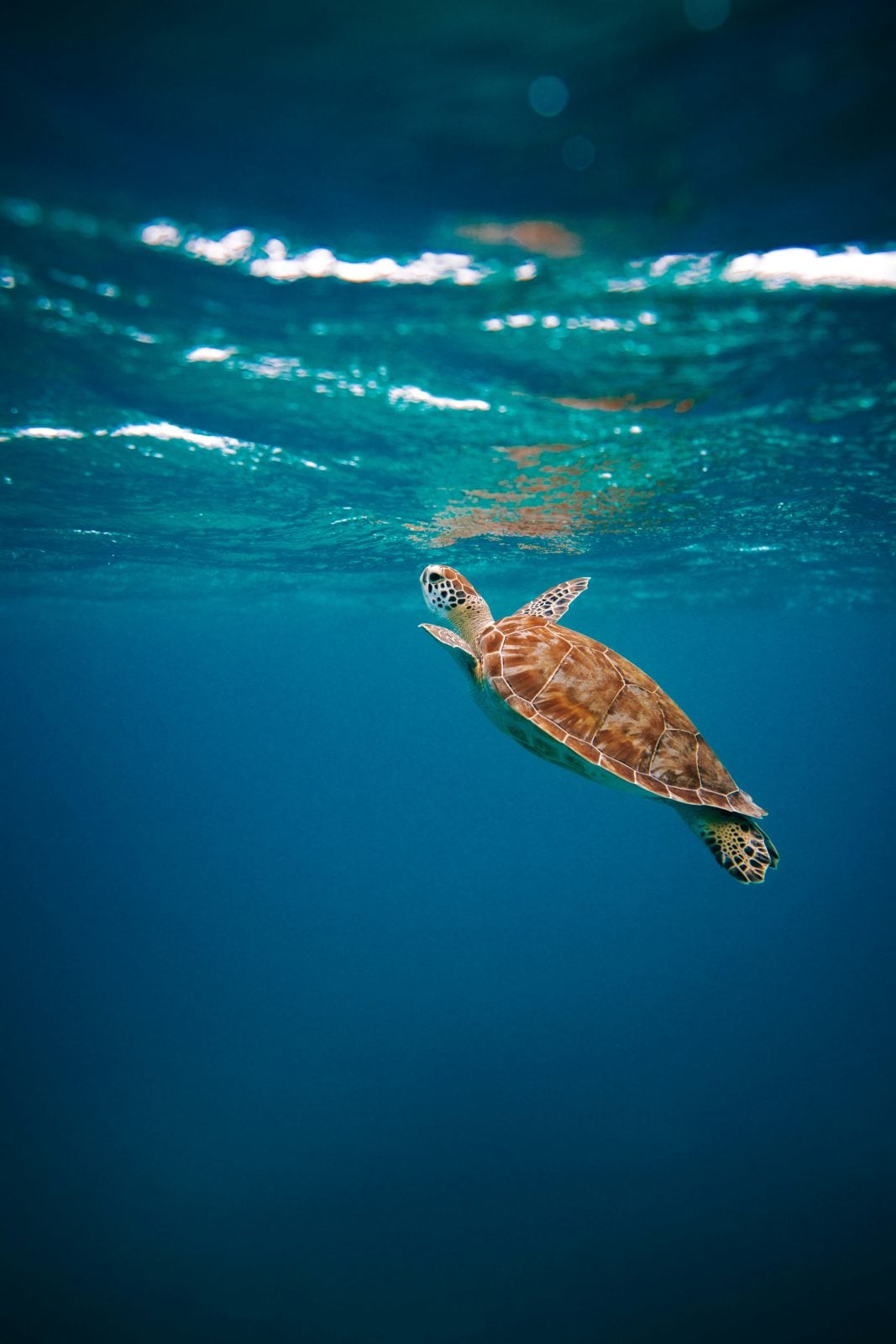
A sea turtle floats upward toward the surface in sunlit water

Industrial fishing equipment doesn’t just catch the fish and other sea life intended for human consumption. Massive nets and longlines are dragged across the ocean, bringing death and destruction with them as they indiscriminately entangle whatever animals are in their paths, including dolphins, seabirds, and nearly 12,000 sea turtles per year. Known as “bycatch,” these untargeted animals often drown or sustain injuries that slowly lead to death.

Inventions like the Turtle Excluder Device (TED) offer turtles a way to escape fishing nets. Yet, even when TEDs are used, commercial fishing continues to harm turtles in other ways. Discarded fishing equipment creates deadly ocean trash. According to the United Nations Environment Programme (UNEP), 66% of sea animals—including turtles—are threatened by lost and discarded fishing gear, which accounts for about 46% of the total mass of macro-plastics in the Great Pacific Garbage Patch in the North Pacific Ocean.

By leaving seafood off our plates, we stop supporting destructive commercial fishing practices and keep dangerous plastics out of our oceans.

5. Keep trout safe from toxic water pollution

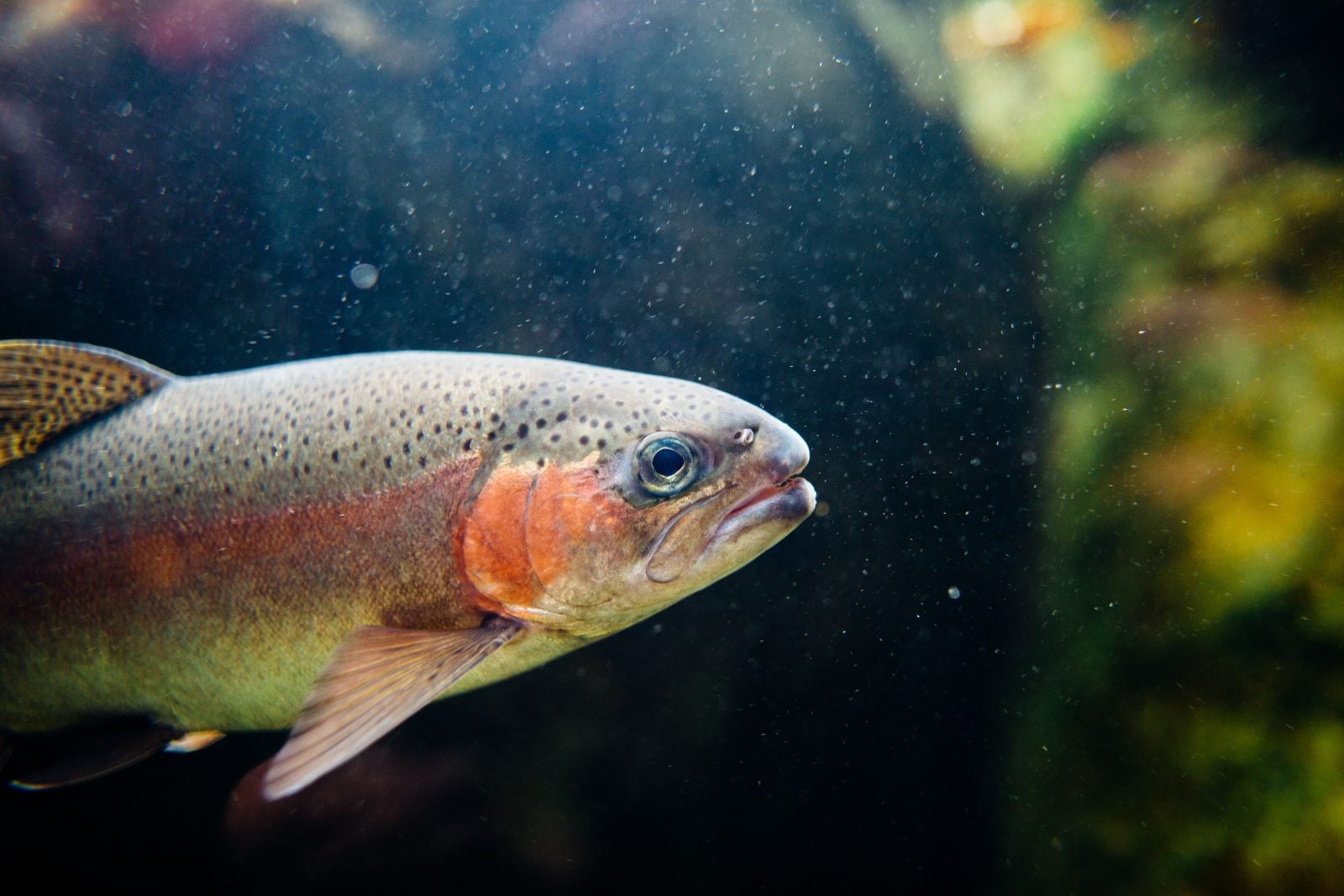
A trout swims in murky water

Large-scale agriculture produces a huge amount of waste. Even on less intensive animal farms, manure stored in massive open-air pits can overflow or seep into the ground, polluting streams, rivers, and lakes inhabited by fish and other aquatic animals. This animal waste can cause huge algae blooms that soak up all the oxygen in the water, turning vibrant habitats into dead zones where life cannot be sustained.

As cold-water fish that require high oxygen concentrations to survive, trout are particularly vulnerable to agricultural water pollution. In fact, all native trout and char populations are considered species of concern by the International Union for Conservation of Nature (IUCN), with several listed on its Red List as threatened or endangered.

Less factory farming means less animal waste polluting our waterways, keeping them clean and oxygen-rich for native fish like trout.

6. Save the American pika by slowing climate change

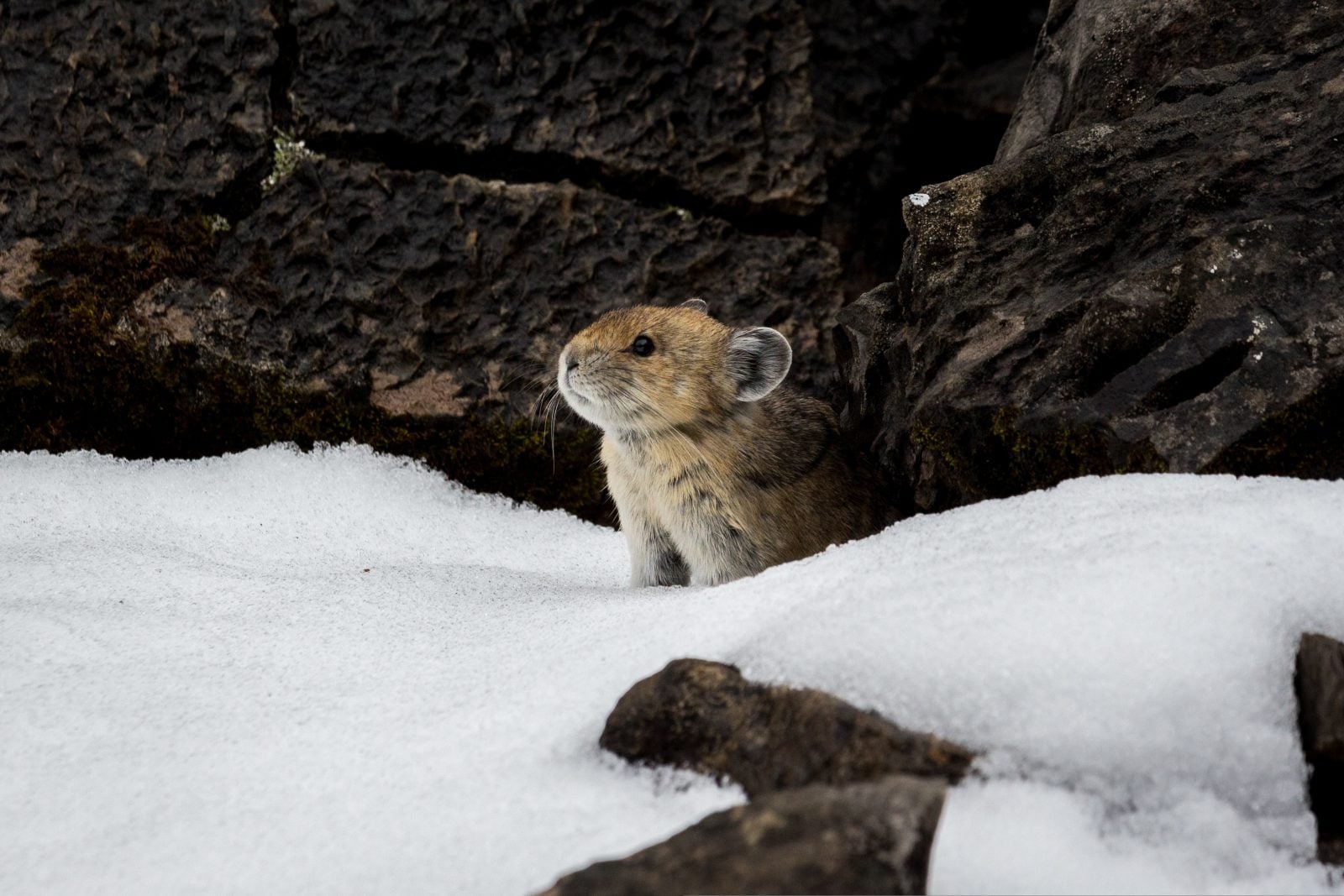
An American pika perches on a rock and looks up

Animal agriculture is a major producer of greenhouse gas emissions, at about 14.5% globally. In the U.S. alone, the cattle industry accounts for 37% of human-caused methane emissions, trapping heat in the atmosphere and wreaking havoc on the planet and its inhabitants.

Rising global temperatures have created hardship for animals adapted to cold climates. The American pika—a tiny mammal living in the western mountains—has already disappeared from over a third of its historic range in Oregon and Nevada. Pikas have thick fur and can easily overheat and die in temperatures as mild as 78 degrees Fahrenheit.

By switching to a plant-based diet, you can cut your personal carbon footprint by up to 2.1 tons every year, directly helping to slow global warming and protecting animals like the pika.

7. Stop rising sea levels from destroying albatross nests

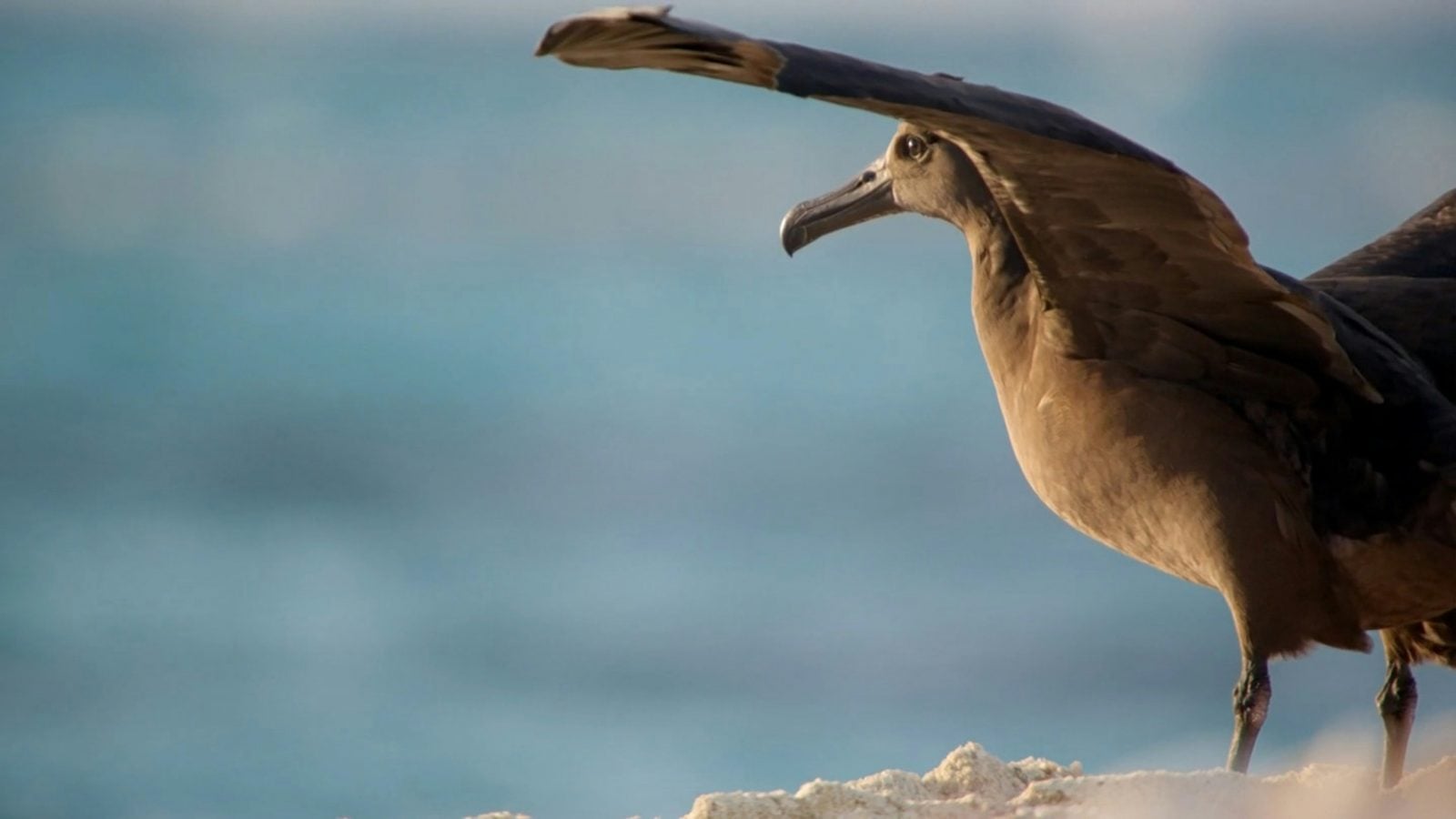
Albatross spreads wings while looking out to sea

As greenhouse gases trap heat in the atmosphere, glaciers melt and ocean waters warm and expand. This has caused sea levels to rise at an alarming rate since 1880.

Rising sea levels present a major problem for the black-footed albatrosses who build nests in low-elevation areas like the sandy beaches in the Northwestern Hawaiian Islands. As these critical nesting grounds are washed away, eggs are destroyed, and young chicks who can’t yet fly are drowned. Most albatross species are therefore listed as vulnerable or endangered by the IUCN, as well as by the state of Hawaii and several local jurisdictions in Mexico and Japan.

Choosing plant-based meals helps to curb sea-level rise, protecting the fragile nesting grounds of albatrosses and other seabirds.

Ready to take the next step?

Every small change you make toward a vegan diet brings us closer to a kinder, safer world for farm animals and wild species alike. Start small by opting for plant-based meals a few days a week, exploring new recipes, or connecting with like-minded friends online or in your community. Get started now with our Handy Guide to a Plant-Based Diet.