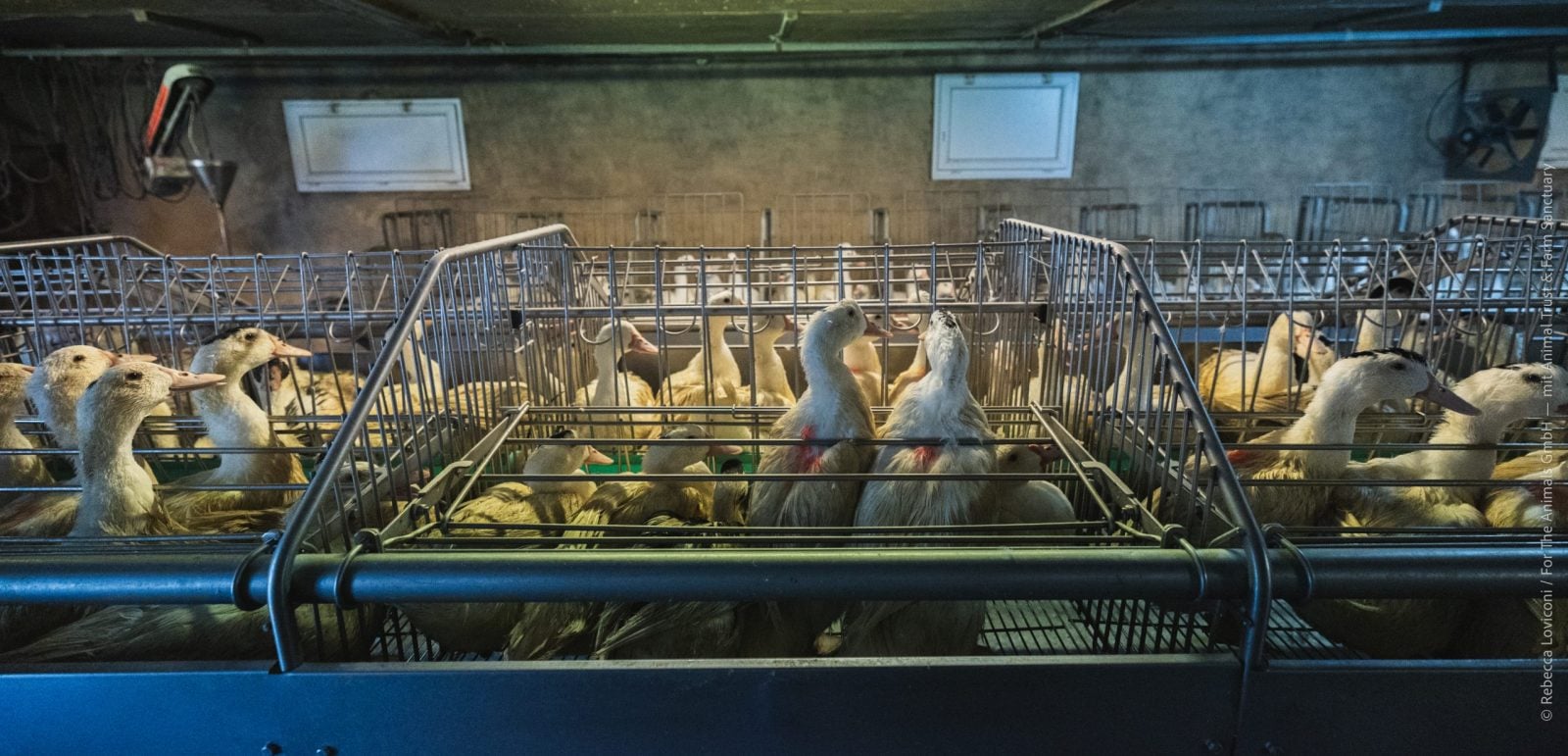



Arriving on a rainy day but with a bright future ahead of them, these birds received urgent veterinary care for dehydration, injuries, and the trauma of severe confinement in crates, and can soon begin to settle into their new lives of sanctuary.
Chickens Rescued From Trucks During Kaporos Start New Lives at Farm Sanctuary
Chickens Rescued From Trucks During Kaporos Start New Lives at Farm Sanctuary
Farm Sanctuary has welcomed our newest rescues: 10 resilient roosters who were left in a crowded truck in New York City, where they were believed to be left to die along the way to Kaporos rituals.
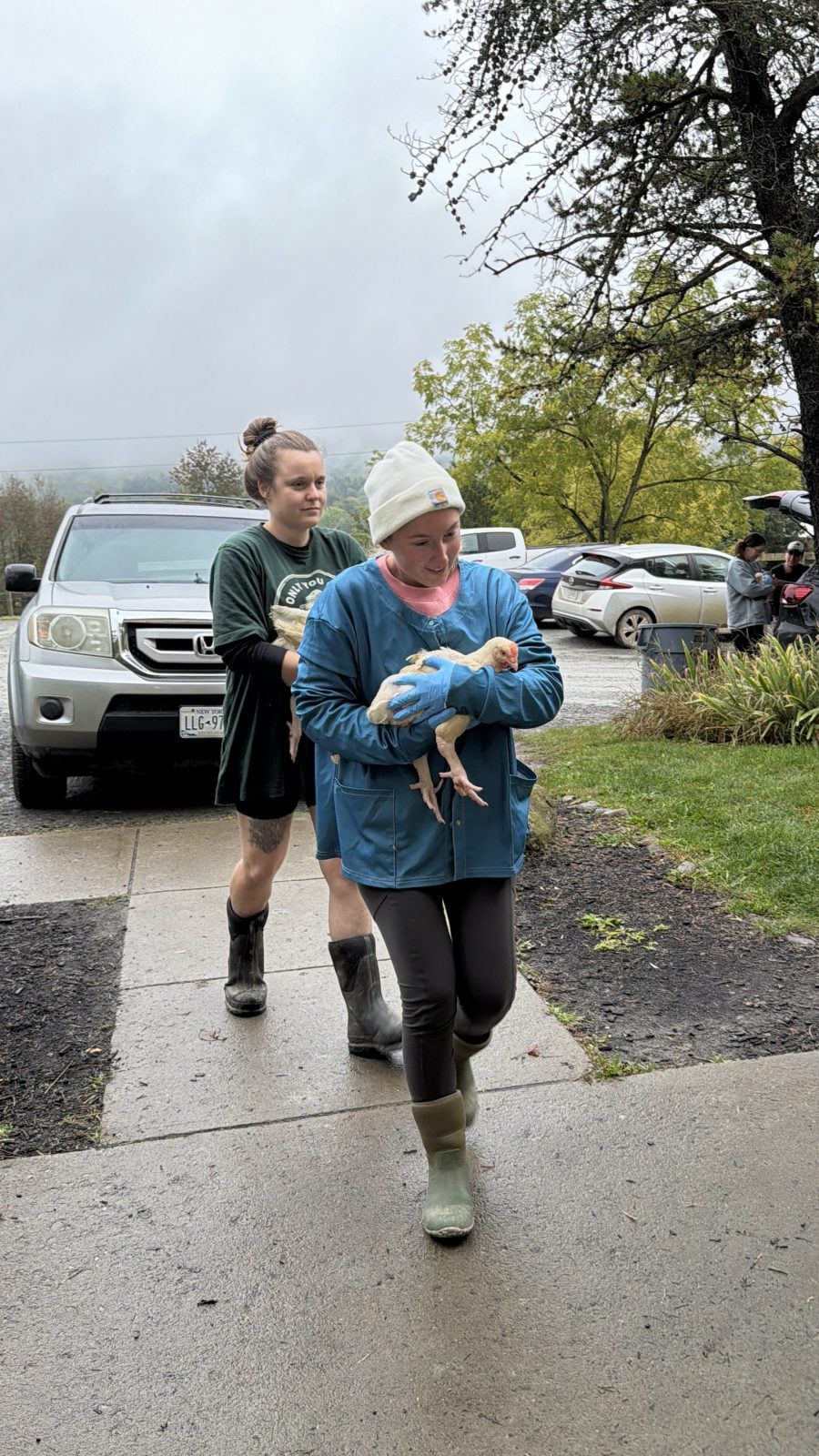
Authorities and rescuers from the Kaporos Compassion Project and Humane Long Island were alerted to over 200 birds languishing inside a rental truck. The fate of these young chickens would have been slaughter in Kaporos, but since the birds were not used in the rituals, they were left in shipping crates without food or water. Sadly, rescuers found that 80 had already perished—and they soon discovered another truck with more chickens dead or in dire need of help.
Thankfully, those who arrived on the scene were able to save 320 survivors in all, and the rescue groups have provided them with care while working to find homes.
Kaporos is a traditional practice observed before the Jewish holiday of Yom Kippur. Participants hold a live chicken by the wings or legs and swing them nine times above their heads before the bird is slaughtered.
Those who take part in Kaporos believe that their sins are transferred to the chicken, but the practice has become rare, as most participants now use a bag of coins rather than a live bird to avoid causing any animals to suffer. Activists, including many Jewish people, have advocated for such alternatives for years and helped to inspire this humane shift.
Farm Sanctuary spoke with Kaporos Compassion Project and with Jill Carnegie, who was coordinating the massive New York City rescue effort, and we happily agreed to welcome 10 roosters, saved from the second truck, to their new home at our Upstate New York shelter.
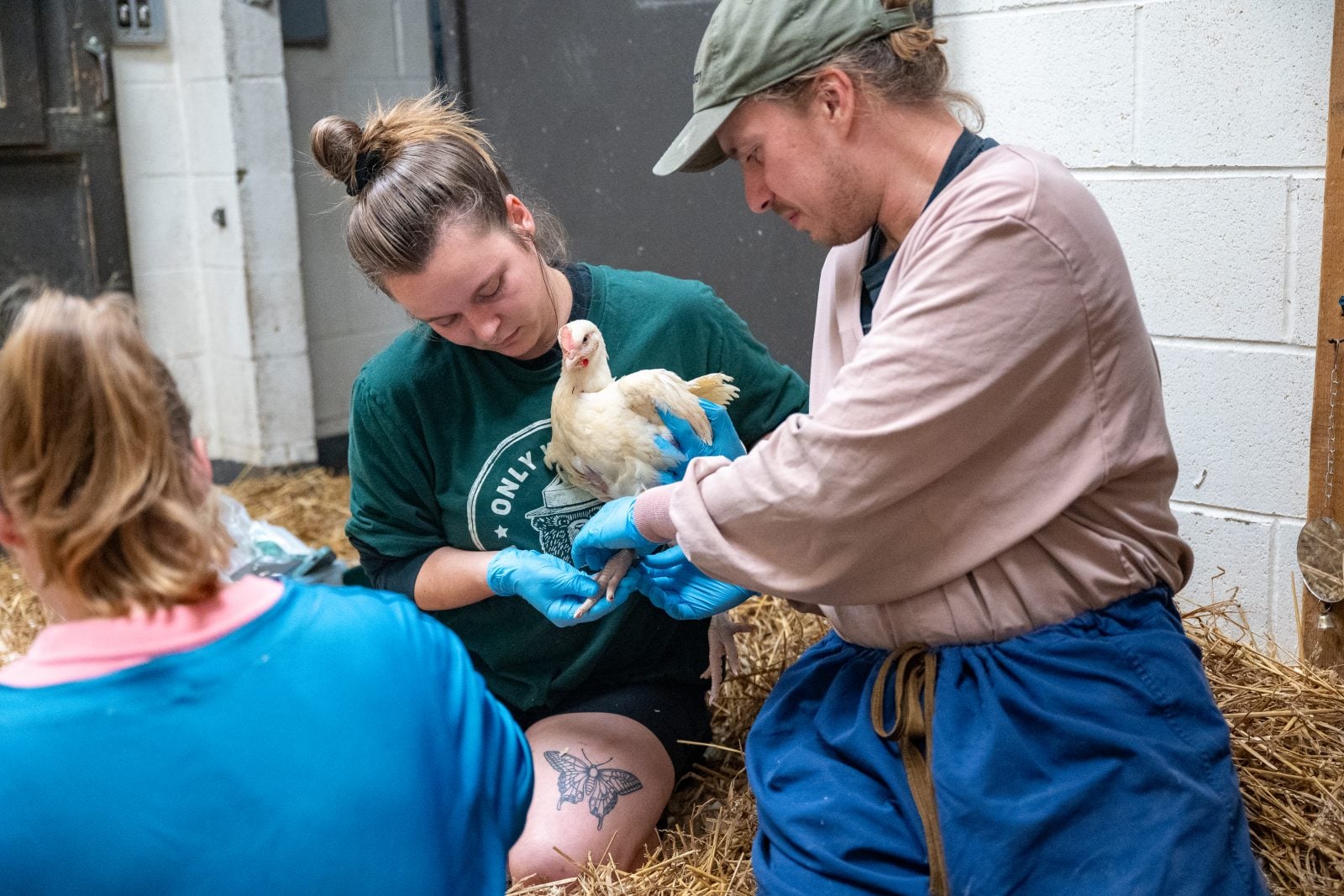
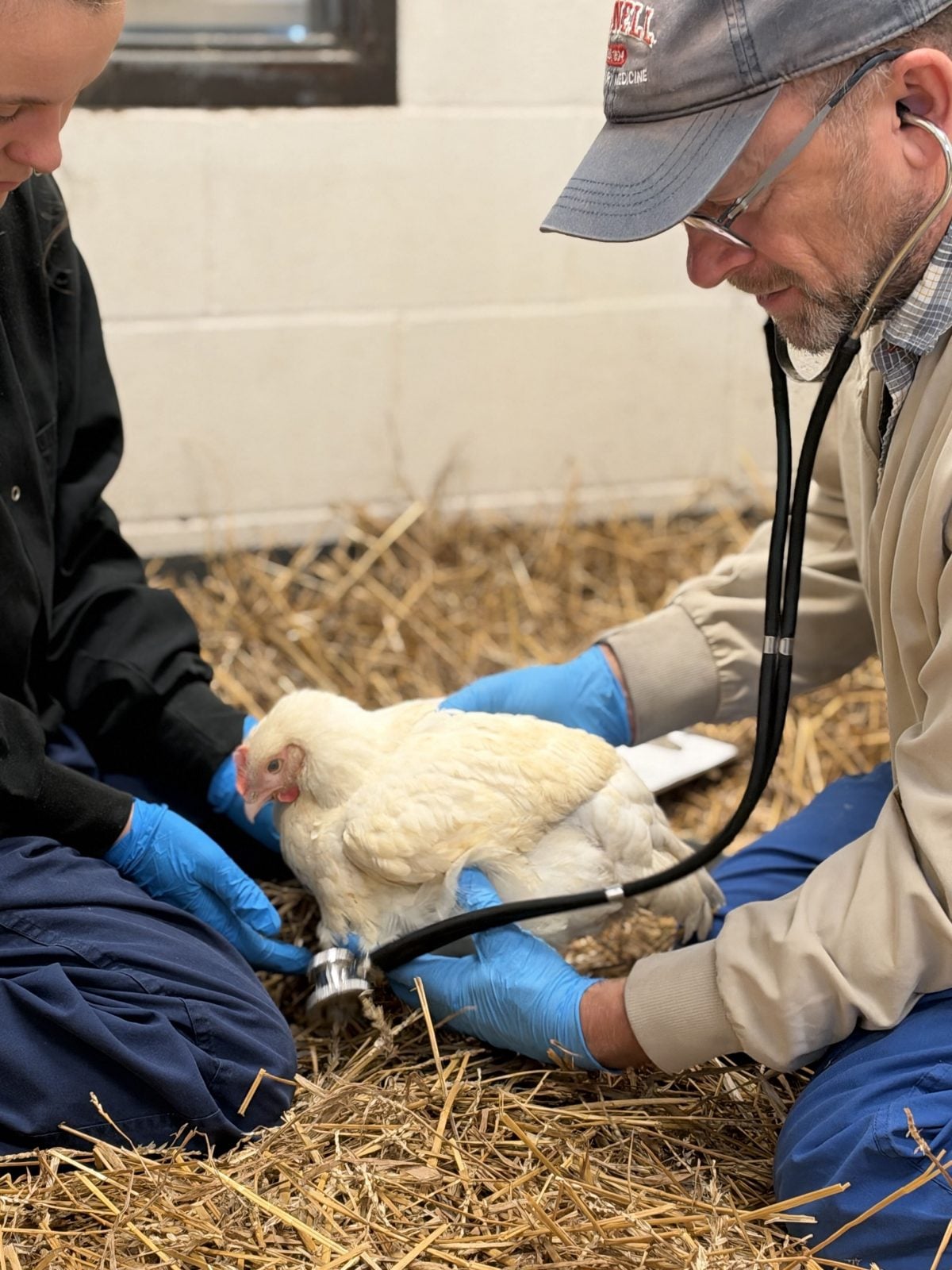
The birds were all quickly tended to by our caregivers and examined by veterinarian Dr. Brian Collins, and will join their flock once health checks clear them to be among their new feathered friends.
Most likely just a few weeks old, “they’re still babies,” says Andrea Burritt, Farm Sanctuary’s director of animal care. “They are all still chirping.”
Cornish Cross chickens, like these roosters, are the breed most commonly used not only in Kaporos rituals but also by the commercial meat industry. That’s because these birds are bred by producers to grow unnaturally large, very quickly, to maximize profits.
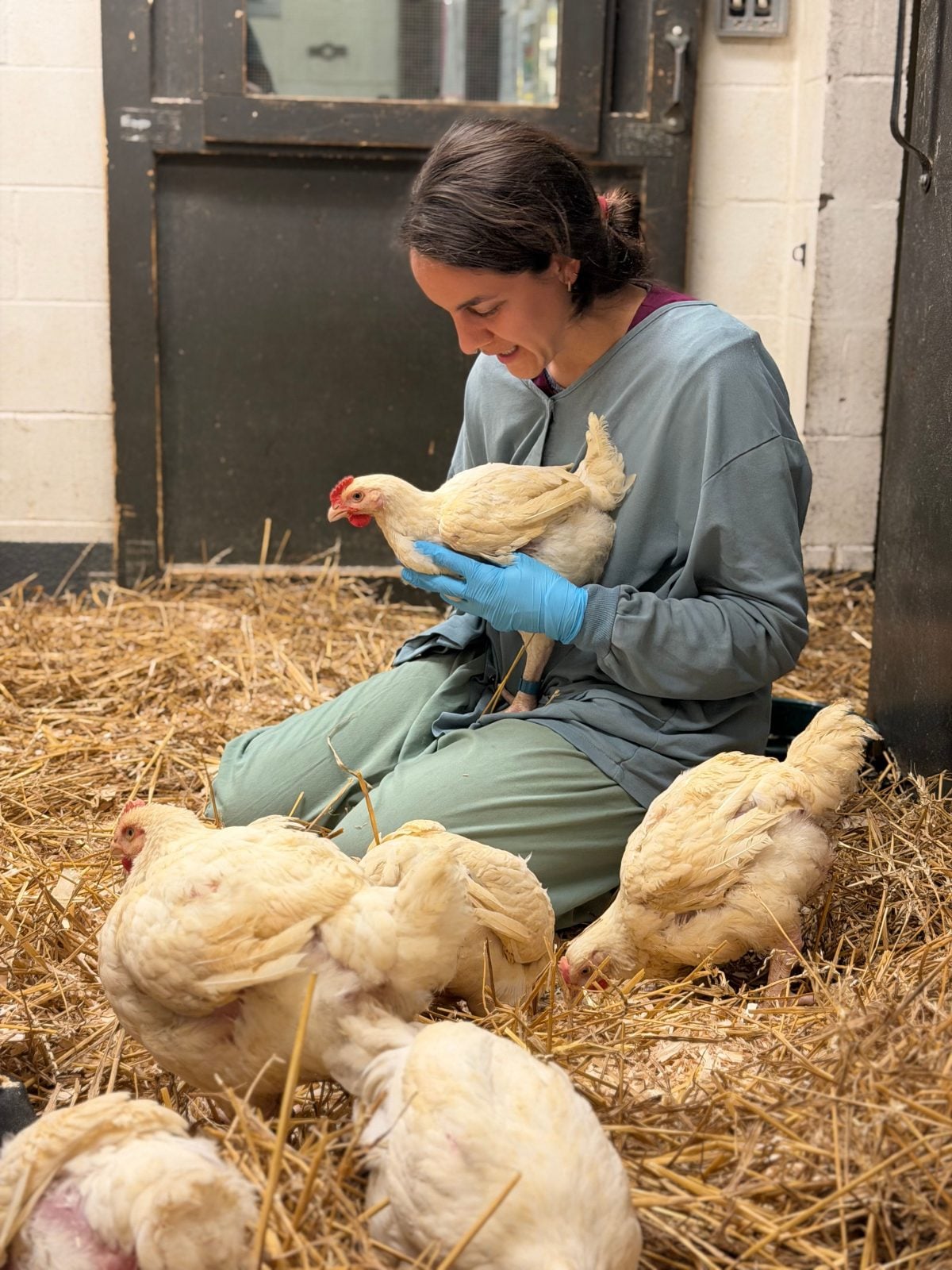
But these sentient and social birds deserve a chance to live, and at Farm Sanctuary, they—like all farm animals—are valued for who they are, not what they can produce.
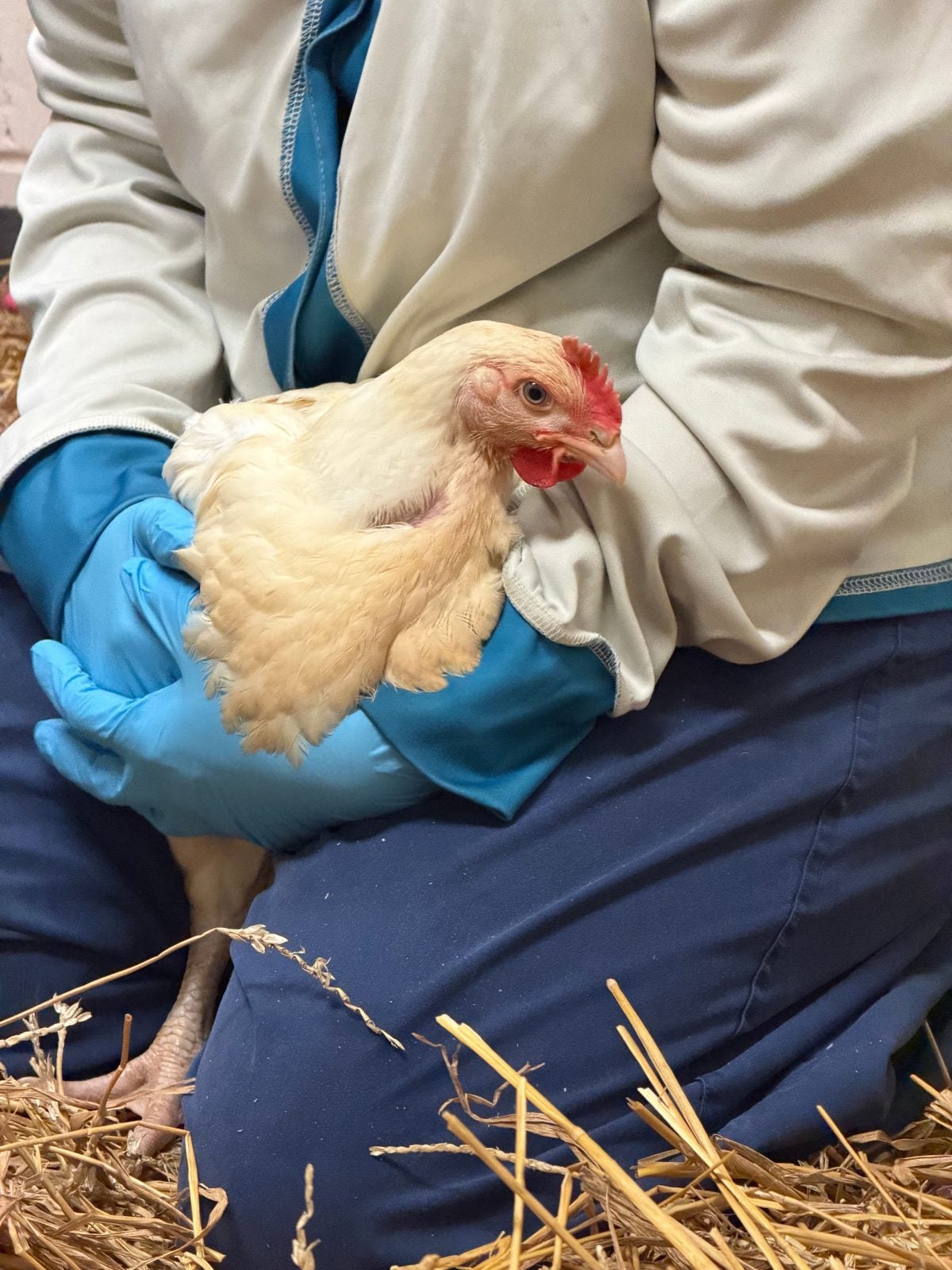
Due to the complex social hierarchies and needs of chicken flocks, roosters can be hard to place in suitable situations. We are excited that our New York flock is a great fit for these birds, who have been through so much suffering and uncertainty.
“We’re excited to create a bachelor flock and give the boys a safe, forever home,” says Andrea. “If you’ve never had the chance to meet a Cornish roo, prepare your heart. They are some of the sweetest and most fun individuals.”
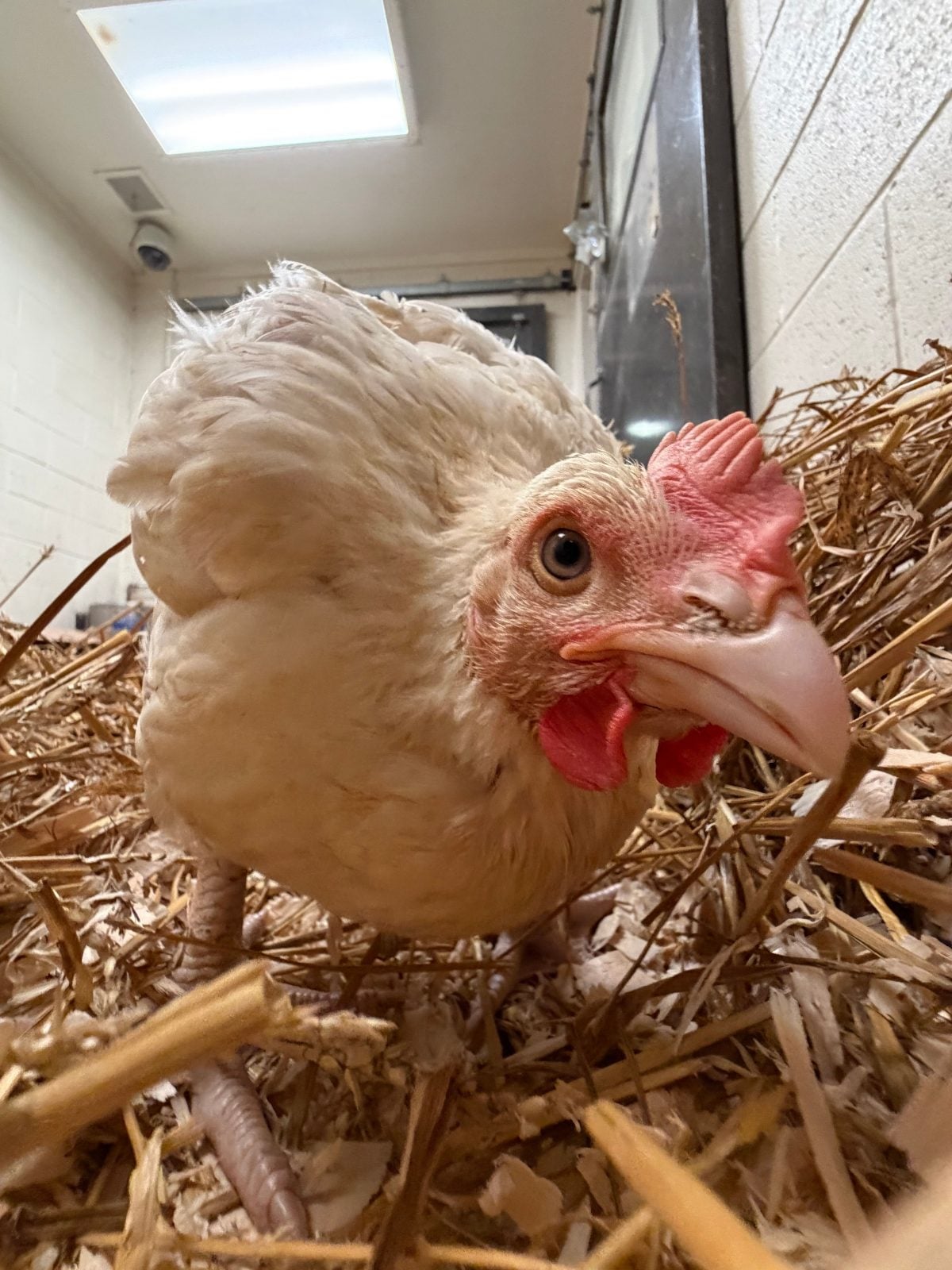
These roosters will never again have to live in fear—hungry, thirsty, unable to stretch their wings or even get a drink of water. They are now safe at Farm Sanctuary. And for us, sanctuary is a lifelong promise.
We can’t wait to share more about these 10 roosters and their individual personalities as they settle into their new lives. But for now, know that they are receiving the care they deserve: nutritious food and fresh water, warm shelter and bedding, veterinary care, enrichment, and the individualized attention they need to live full, healthy lives.
And their stories don’t end here, either. We’ll continue sharing their lives with you and bringing their stories to our education and advocacy work, helping inspire change for farm animals everywhere.
In honor of World Farm Animals Day (October 2) and Farm Sanctuary’s 10th annual giving day, please support our ongoing mission of hope and healing. Right now, your impact will be doubled, with every gift matched up to $25,000. Thank you for your kindness and generosity.