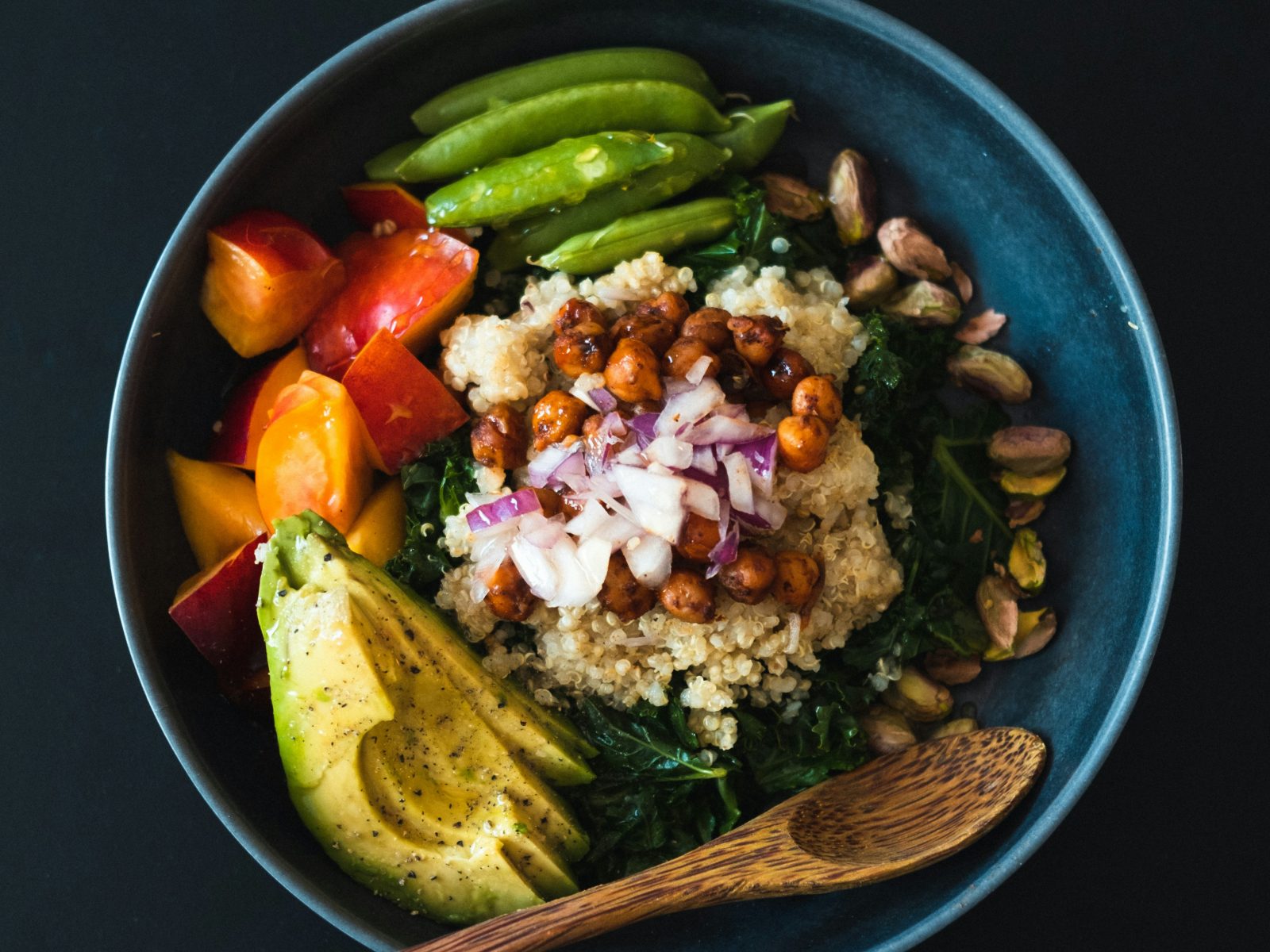



Every five years, the AHA issues its “Dietary Guidance to Improve Cardiovascular Health.” Its 2021 Guidance recommended choosing “mostly protein from plants,” but the 2026 edition doubles down on plant protein, as the AHA states, “Shift from meat to plant sources.”
The refreshing new recommendations represent a sharp turn away from the latest U.S. Dietary Guidelines. Published by the Trump administration in January, they defied decades of scientific research by promoting unhealthy dietary patterns, such as heavy consumption of red meat, full-fat dairy, and saturated fats. Essentially, this flipped the food pyramid upside down.
In an op-ed for the Los Angeles Times, Farm Sanctuary’s President & Co-founder, Gene Baur, wrote, “Instead of stoking fear over plant-based meat alternatives or repeating buzz phrases like ‘ultra-processed foods,’ which should be limited in any diet, our government should be recommending a diet backed by science.”
Indeed, the science is clear: Diets high in animal products are not good for our hearts or our overall health, while whole, plant-based foods help protect us from some of the most common diseases, like diabetes, heart disease, and certain types of cancer.
As the AHA states, plant-rich diets lower in animal foods are associated with a reduced risk of heart disease. On the other hand, eating even a small amount of red meat has been found to increase one’s risk.