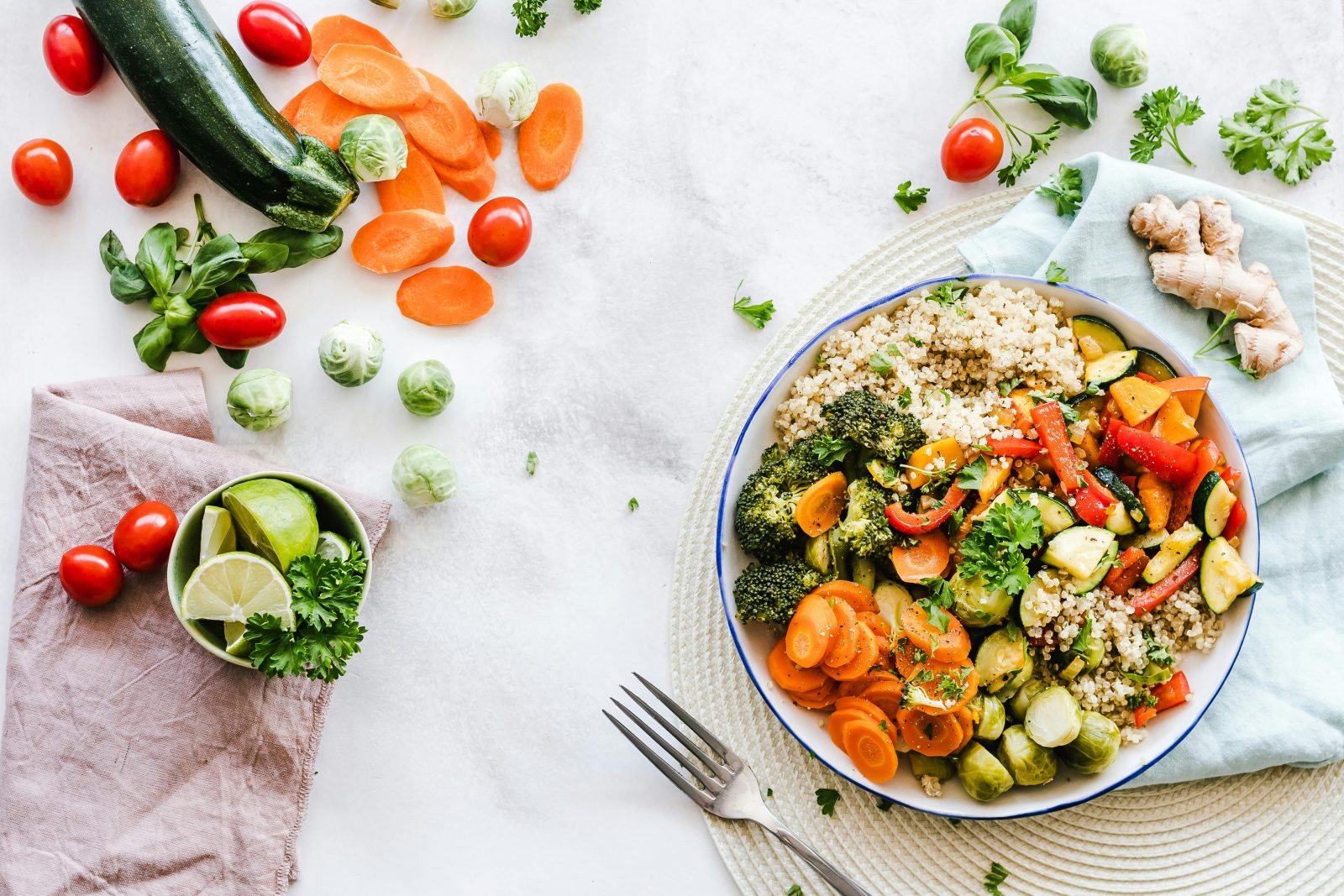



As health secretary Kennedy and agriculture secretary Rollins state, “the United States is amid a health emergency.” Yet, as the ever-growing body of scientific evidence shows, consuming more meat and dairy leads to more chronic disease.
New U.S. Dietary Guidelines Reject Science by Promoting Red Meat, Dairy

New U.S. Dietary Guidelines Reject Science by Promoting Red Meat, Dairy
The Trump administration’s new Dietary Guidelines for Americans are really for the meat and dairy industries. In fact, animal agribusiness is celebrating these new Guidelines that flip the food pyramid upside down, placing protein and full-fat dairy at the top—and promoting red meat, despite the well-known risks associated with the heavy consumption of animal products.
Here are the problems:
- Eating red meat, even unprocessed red meat products, increases one’s risk of heart disease.
- Researchers have found processed red meat to be a carcinogen, or a substance causing cancer—like cigarettes.
- Protein consumption is strongly emphasized in the Guidelines, and while protein is important in any diet, most Americans already consume far more than is necessary.
- Sales of medically important antibiotics for use in farm animals rose by 16% in 2024 over the previous year. These drugs end up in meat consumed by the public, as antibiotic resistance remains a threat to public health—killing 35,000 Americans each year.
- Full-fat dairy products are high in saturated fat, which, although Secretary Kennedy often touts it, can lead to high cholesterol and heart disease.
- Dairy has also been tied to a higher risk of breast and prostate cancer.
Plants are the answer:
- Whole plant foods, including edamame, nuts, seeds, legumes, peas, and lentils, are healthy sources of protein that are cholesterol-free and low in saturated fat.
- A plant-based diet has been associated with a lower risk of cardiovascular disease and mortality.
- Plant-based diets rich in fiber can also lower cancer risk, particularly when it comes to colorectal cancer. Meat and dairy don’t contain fiber.
- In its New American Plate, the American Institute for Cancer Research recommends filling two-thirds or more of your plate with vegetables, fruits, beans, and whole grains, while devoting only one-third or less to animal proteins.
- The American Heart Association “encourages adults to get most of their protein from plants.”
- The World Health Organization, which advocates for a shift away from saturated fats, also states that consuming at least five portions of fruits and vegetables daily can lower the risk of diseases, including diabetes, heart disease, cancer, and stroke.
Instead of boosting the meat and dairy industries, which also receive billions of dollars in federal subsidies, our government should support and promote a diet that nourishes, not harms.
While the Guidelines offer good recommendations, such as limiting the consumption of highly processed foods, alcohol, and sugar—important for any diet—the Guidelines must go further. The most responsible recommendations would prioritize the health of Americans over the profit of animal agribusiness by promoting a diet supported by science.