Eight Tips to Level Up Your Iron on a Plant-Based Diet

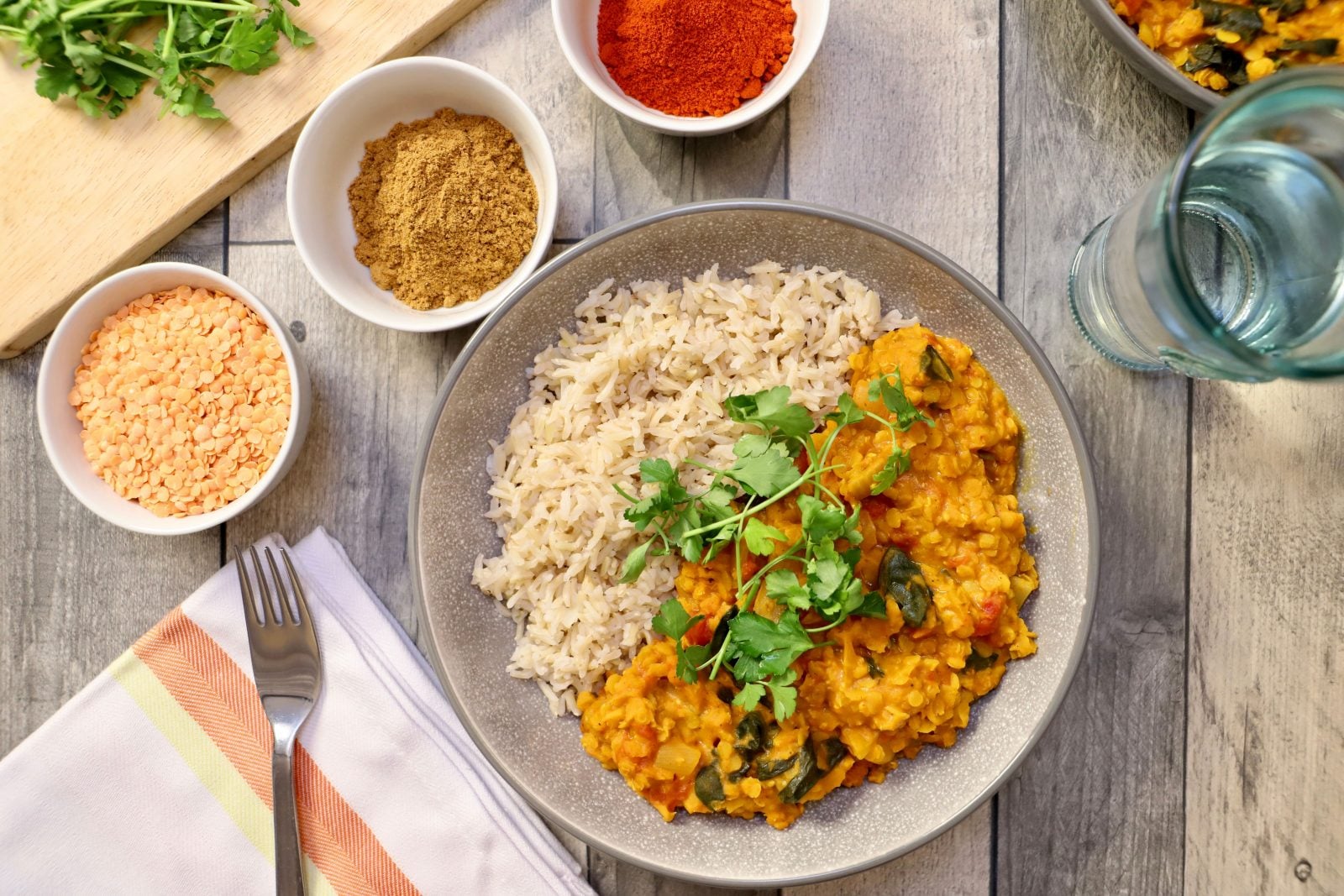
A white bowl of lentil curry and rice topped with herbs, in front of three bowls of lentils and spices

Eight Tips to Level Up Your Iron on a Plant-Based Diet

Iron plays a critical role in our health, and we can get all we need from plant-based foods. Learn about iron and read our eight best tips for meeting your iron needs on a healthy, compassionate vegan diet.

Iron—the same element found in the ground and on the periodic table—is found inside of us and is at the core of good health.

An essential nutrient, iron pulls its weight by helping our bodies carry and store oxygen. The bulk of our iron stores—about 70%—is found in hemoglobin, a protein that carries oxygen from the lungs to the rest of the body via red blood cells. Iron is involved in energy production, immune support, brain development, and more. It literally fuels everything we do!
Plants do the heavy lifting

The human body doesn’t produce iron, so we must get it from food. Needs vary depending on sex, age, and life stage. The Recommended Dietary Allowance for adult men is 8 mg. For adult women, the recommended amount is higher, at 18 mg per day, to compensate for the iron loss caused by menstruation. Insufficient iron levels can cause fatigue, shortness of breath, an elevated heart rate, and iron-deficiency anemia.

While iron is often associated with red meat, plant foods are actually a more direct source. After plants absorb iron from the ground, humans obtain it either by eating the animals who eat the plants or by eating the plants directly.

With the abundance of iron in plants, vegetarians and vegans often have higher iron intakes than meat eaters. Their iron stores are lower on average, but this might be the result of reduced inflammation. When inflammation exists in the body, ferritin, the protein by which iron stores are measured, increases. Since meat-heavy diets tend to cause more inflammation, ferritin levels can be higher for meat-eaters.

Heme and non-heme iron

Iron comes in two types: heme and non-heme. Non-heme iron is plant-derived and can be found in plant foods and animal-based foods alike. Heme iron is found only in animal-based foods, with one exception: Plant-based Impossible Burgers actually contain heme iron produced by a genetically modified yeast. 

Heme iron has a higher absorption rate than non-heme iron, but it’s not necessary for optimal health. In fact, vegan diets often contain higher amounts of iron than the standard meat-heavy diet.

Tips for getting iron from plants

1. Bench the beef. Eating meat to get iron is not only unnecessary, but it’s also associated with negative health outcomes. A diet high in red meat increases risk for type 2 diabetes, heart disease, and colon cancer. And staying healthy is just one of many reasons to avoid eating animals.

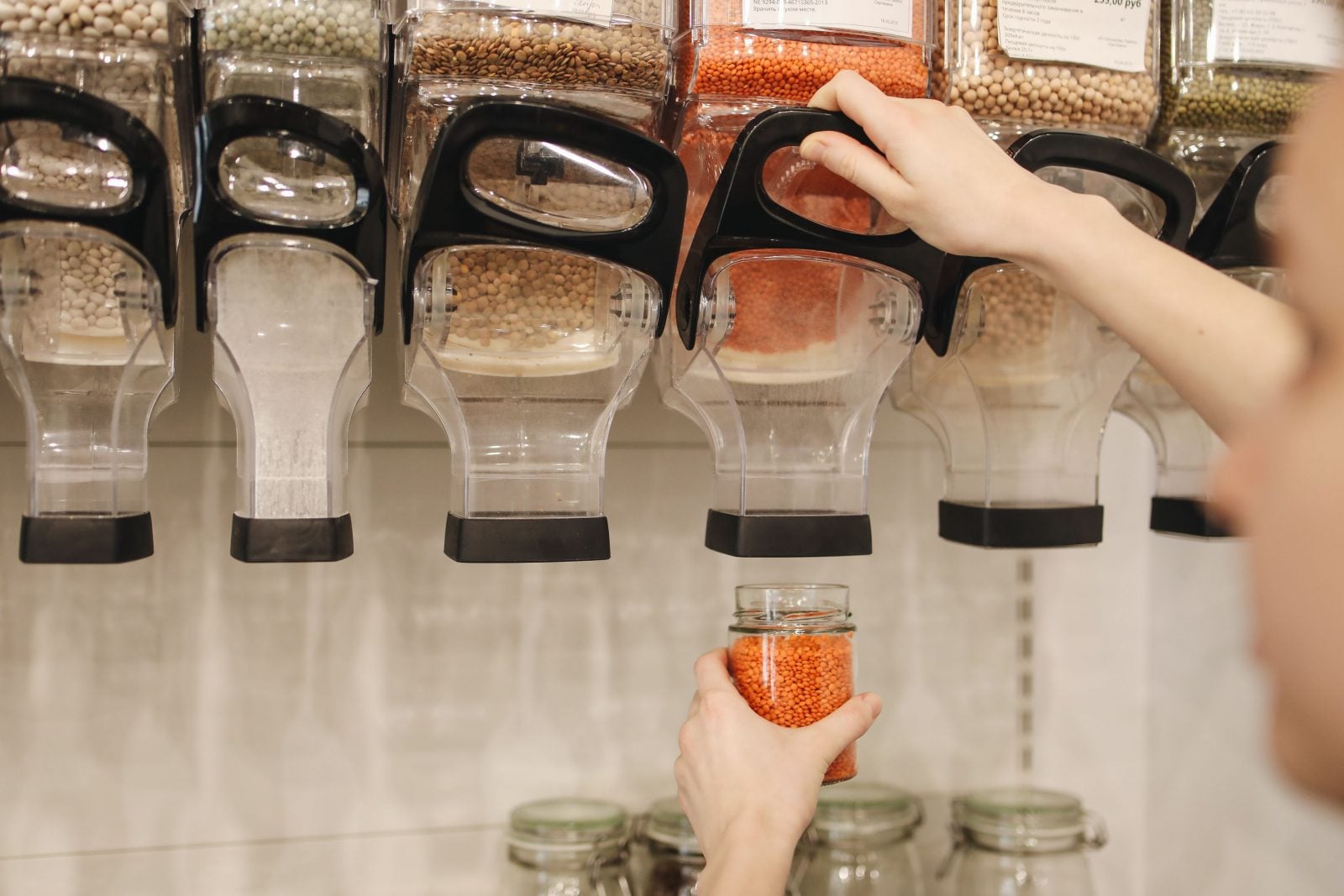
A person reaches up to pour orange lentils from a bulk dispenser into a glass jar

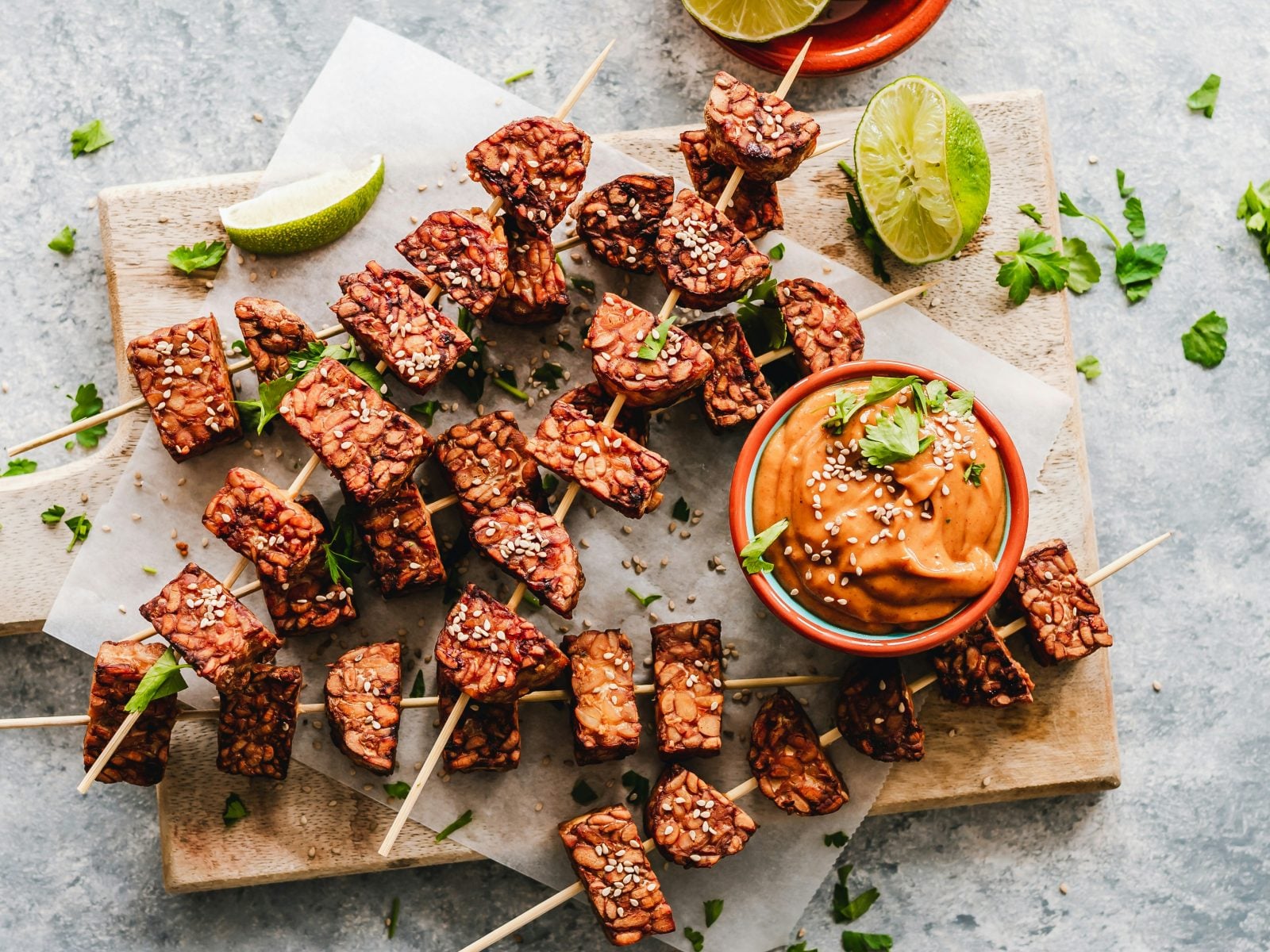
2. Never skip legume day. Legumes—like tofu, lentils, and peas—are excellent plant-based sources of iron. One cup of cooked lentils contains up to 6.6 mg of iron. Black-eyed peas have about 4.3 mg per cooked cup. One block of firm tofu offers 10-13 mg of iron, depending on the brand and how it’s prepared. For example, cooking it in an unenameled cast-iron skillet can actually increase the iron content.

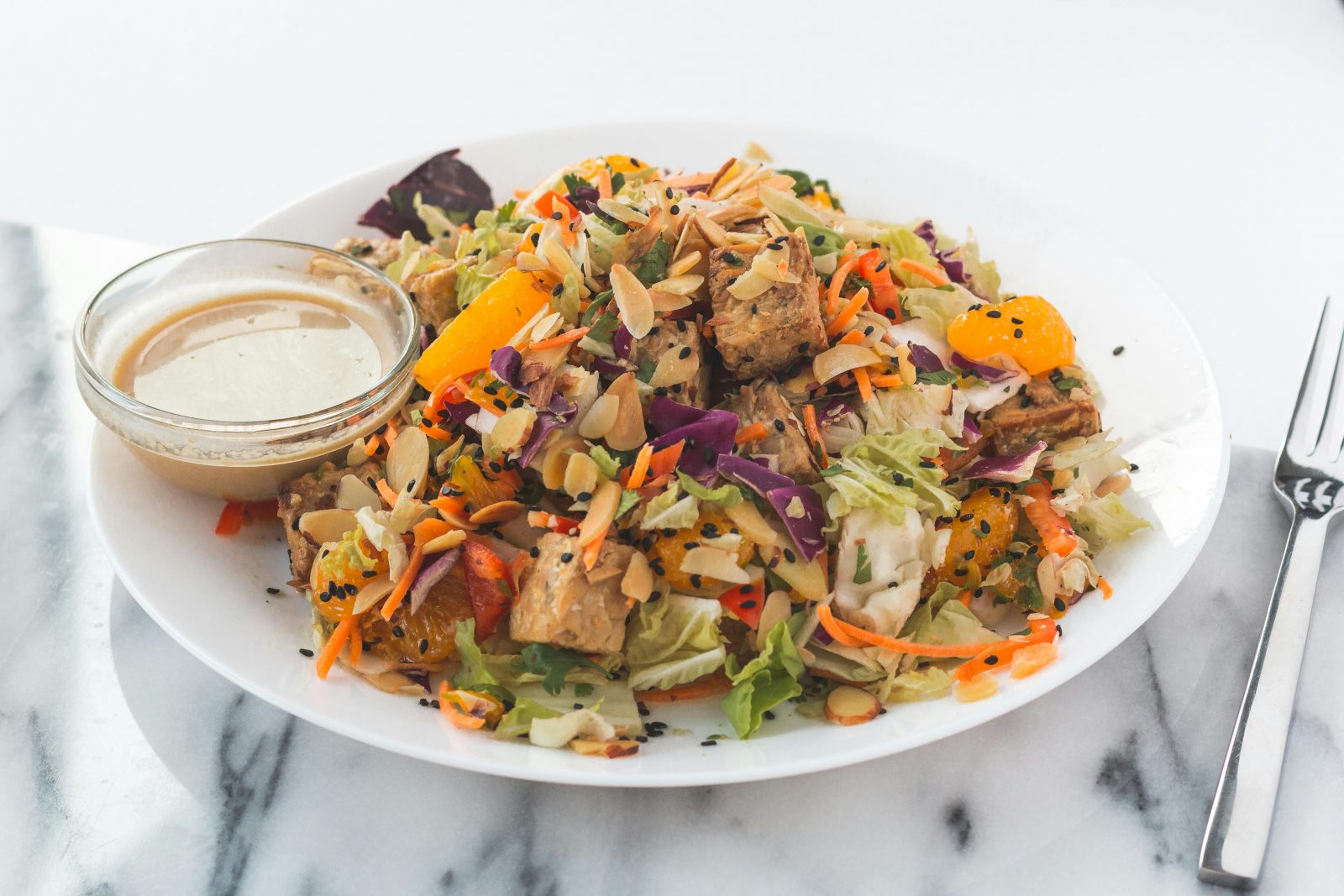
3. Boost iron with vitamin C. Iron absorption is bolstered by vitamin C, so create meals that include foods high in iron alongside those with vitamin C, like strawberries, mangos, oranges, orange juice, kiwis, grapefruits, pineapples, broccoli, Brussels sprouts, or red or yellow bell peppers. Drink a glass of orange juice with your cereal in the morning or add bell peppers to your hummus or tofu wrap.

4. Resist coffee and tea around mealtime. Coffee and tea can actually decrease iron absorption. These beverages contain plant compounds called polyphenols and tannins. When consumed together, they bind to iron, making it hard to absorb. Avoid them within one hour of eating iron-rich foods to give the iron time to be digested.

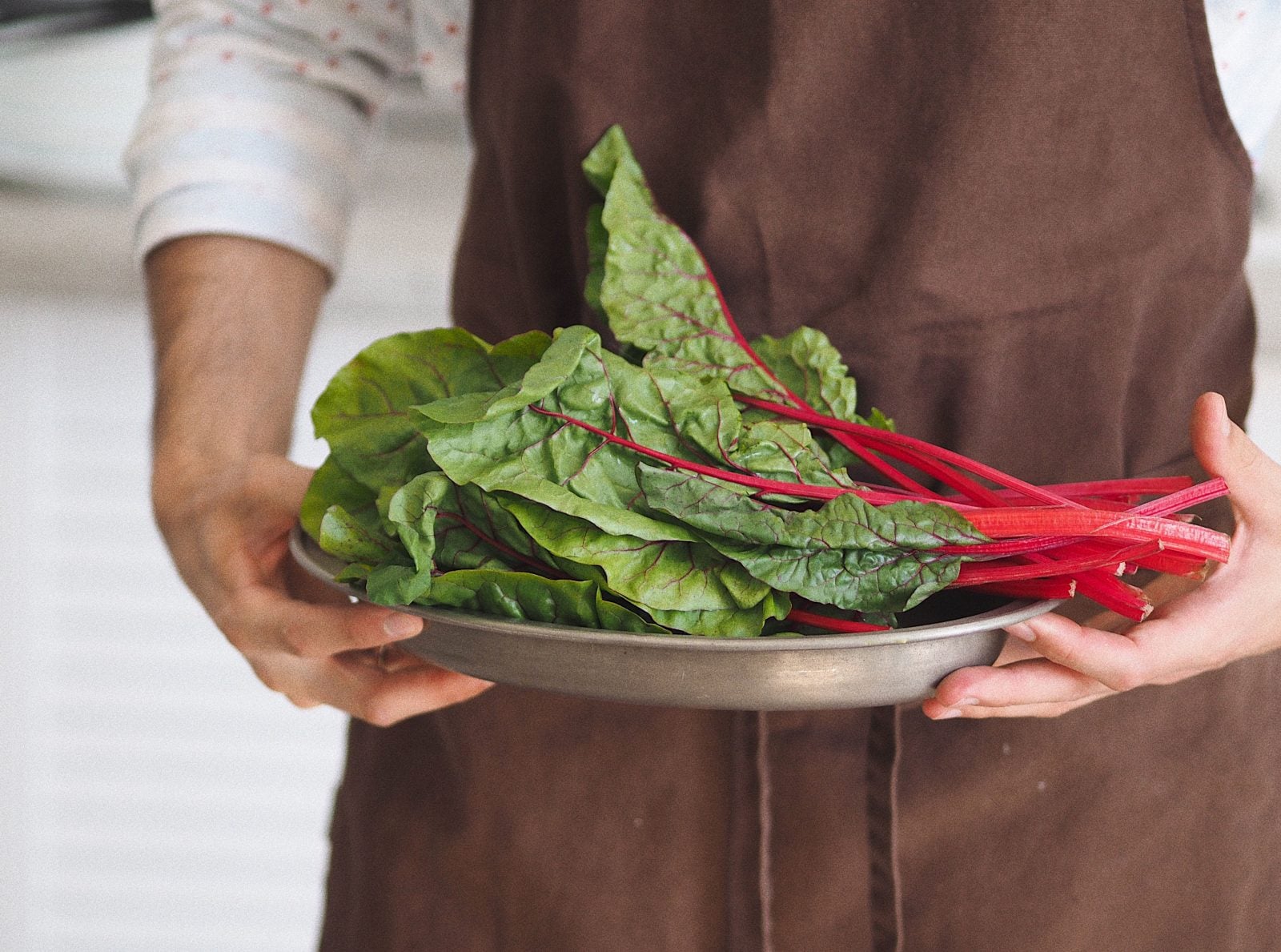
5. Bulk up on dark, leafy greens. When it comes to getting iron from greens, the darker and leafier the better. A cup of cooked Swiss chard (3.9 mg of iron) or spinach (6.5 mg) offers far more iron than romaine lettuce, for example, which has less than 1 mg per cup.

A person wearing an apron holds a platter of Swiss chard

6. Grab some grains. Cooked amaranth, an ancient grain with a slightly sweet, nutty flavor, has about 5.2 mg of iron per cup. It’s also high in the protein lysine compared to other grains, an added benefit. Quinoa and oats have iron, too, at 2.8 and 2.1 mg per cup, respectively.

7. Fall back on fortified foods. Many food manufacturers add iron to increase the nutrient profile of their products. Cereals, breads, pastas, and plant-based meat alternatives are often fortified with iron. For example, half a cup of Grape Nuts provides a whopping 16 mg of iron.

8. Strengthen with supplements. If you’re low on iron, that still doesn’t mean you need to eat meat. When meat-eaters have low iron, doctors don’t recommend they eat more meat; they recommend a daily iron supplement. Standard supplements contain 65 mg of elemental iron (sometimes listed as 325 mg of ferrous sulfate, a synthetic iron salt). While you may start to feel better within a few days of taking a daily iron supplement, it usually takes a couple of months for blood counts to return to normal levels.

Your iron game plan

Getting enough iron on a plant-based diet is not only easy, it’s a strength of a well-planned vegan diet. Now that you know the basics, you can feel confident in your iron game plan. Fill your plate with iron-rich plant foods, pair them with vitamin C to boost absorption, and supplement if needed. By building these simple habits, you can meet your iron needs while enjoying the many benefits of a diet that’s also kinder to animals and the planet.

Learn More

Sign up for Farm Sanctuary emails to learn more about compassionate and sustainable plant-based living as well as the latest on our work for animals, people, and the planet.

Subscribe