

10 Reasons to Choose Plant-Based Foods in 2026

Six red, yellow, and orange bellow peppers on white plate and stuffed with grains, beans, and vegetables

Kelly Barton for My Plant-Based Family

10 Reasons to Choose Plant-Based Foods in 2026

Kelly Barton for My Plant-Based Family

The new year is almost here! There’s no better time to make a meaningful change for your health, the animals, and the planet.

Choosing to eat nutritious plant-based foods has many health benefits, like reducing the risk of type 2 diabetes, cardiovascular disease, and several types of cancer. It’s one of the most powerful ways to lessen your impact on the environment, too—cutting your carbon footprint by roughly 46% and using far less water and land. A plant-based diet is also an important vote against factory farming, which harms, exploits, and kills animals by the billions every year. 

Many people find that reducing or eliminating animal products brings a sense of peace and contentment, knowing their choices better align with their values of health, justice, and compassion.

With so many benefits, shifting toward a plant-based diet can—and should—feel positive, empowering, and fun. Here are our top 11 tips to make your transition as smooth and satisfying as creamy broccoli soup. (Recipe linked in tip number eight!)
1. Eat what you already love.

Switching to a plant-based diet doesn’t require ditching your favorite flavors. On the contrary, with so many recipes and substitutes available, you can find delicious vegan versions of almost anything. Try Googling your favorite dish plus the word “vegan.” You might find yourself in a new predicament: how to narrow down all the great options!

2. Get adventurous, not restrictive.

It’s easy to fall into routines with familiar foods, but switching to a vegan diet can open up a world of flavors you’ve yet to enjoy. Take it as an opportunity to try new foods—or to prepare familiar foods in new ways. Explore fruits, vegetables, grains, nuts, seeds, and beans. Bring a friend to try the plant-based flavors of cuisines you enjoy, like Thai, Indian, Vietnamese, Middle Eastern, or Ethiopian. When you approach the shift to plant-based eating as a new adventure, you’ll be delighted by how fun and creative it can feel.

3. Shop the ends of the grocery store.

In most grocery stores, the outer aisles showcase the freshest, least processed foods: fruits and vegetables, whole grains, beans, nuts, and seeds. Try building meals around these nutritious staples. Focusing on whole, plant-based foods—rather than heavily processed or refined items—will provide the best health and environmental benefits.

4. Eat more if you're hungry.

Many plant foods, like vegetables and legumes, are lower in calories but much higher in fiber than animal-based foods. With a plant-based diet, you can enjoy larger servings without overdoing it on calories. Trust your hunger cues and fuel up! Feeling satiated and energized will make it easier to stick with your healthy habits.

5. Don't forget protein.

Contrary to a common myth, you don’t need meat or dairy to get enough protein. Almost all plant foods contain at least some protein, with the best sources being tofu, tempeh, seitan, edamame, beans, lentils, nuts, and seeds. Fortified foods, such as plant-based milks or protein powders, are also reliable sources. A well-rounded plant-based diet can easily provide enough protein, even for athletes.

6. Mind your B12 and other nutrients.

Vitamin B12 isn’t naturally abundant in plant foods. It’s wise to take a supplement or incorporate into your diet some of the many B12-fortified foods, including soy or almond milk, tofu, nutritional yeast, and some cereals. Keep an eye on other nutrients—such as iron, iodine, vitamin D, and calcium—to stay healthy at every stage of life.

7. Plan for eating out or traveling.

Unfamiliar restaurants or travel days can be tricky when you first embark on a new way of eating. A little planning goes a long way. Check menus online before heading out, or pack a cooler with snacks or simple meals for your trip. With a bit of preparation, staying on track with plant-based eating will feel much easier.

8. Ask a trusted friend for help.

There’s no need to reinvent the wheel of vegan cheese. A supportive friend or mentor—someone who’s been in your shoes—can share knowledge that makes your transition to plant-based eating smoother. Social media platforms like Facebook host countless recipe-sharing and support communities. Many cities have Meetup groups focused on plant-based living. Farm Sanctuary shares helpful resources and recipes, too, like Vegan Black Bean and Mango Salad, Almond-Chickpea Yogurt, and Zero-Waste Creamy Broccoli Soup. (Get the latest vegan news and resources by signing up for our newsletter.)

9. Stock the pantry to make cooking a breeze.

As you dive into plant-based recipes, you’ll notice certain staples pop up again and again: whole grains, beans, legumes, nuts, seeds, nutritional yeast, and spices like garlic and onion powder, cumin, paprika, and turmeric. Once your kitchen is stocked with the most common ingredients, plant-based cooking becomes a piece of cake—or a spoonful of soup, or a bite of salad! The options are endless, so have fun experimenting. Mix and match ingredients, try new cuisines, and soon you’ll have a repertoire of simple, mouthwatering vegan meals.

10. Don't forget dessert.

Plant-based eating doesn’t require sacrificing sweets. There are countless desserts made from whole, minimally processed ingredients. Try fruit crisps, dark-chocolate treats, nut bars, and more. Start with Comforting Carrot Cake Overnight Oats or Vegan Cranberry Cheesecake with a tofu base.

11. Keep it simple and sustainable.

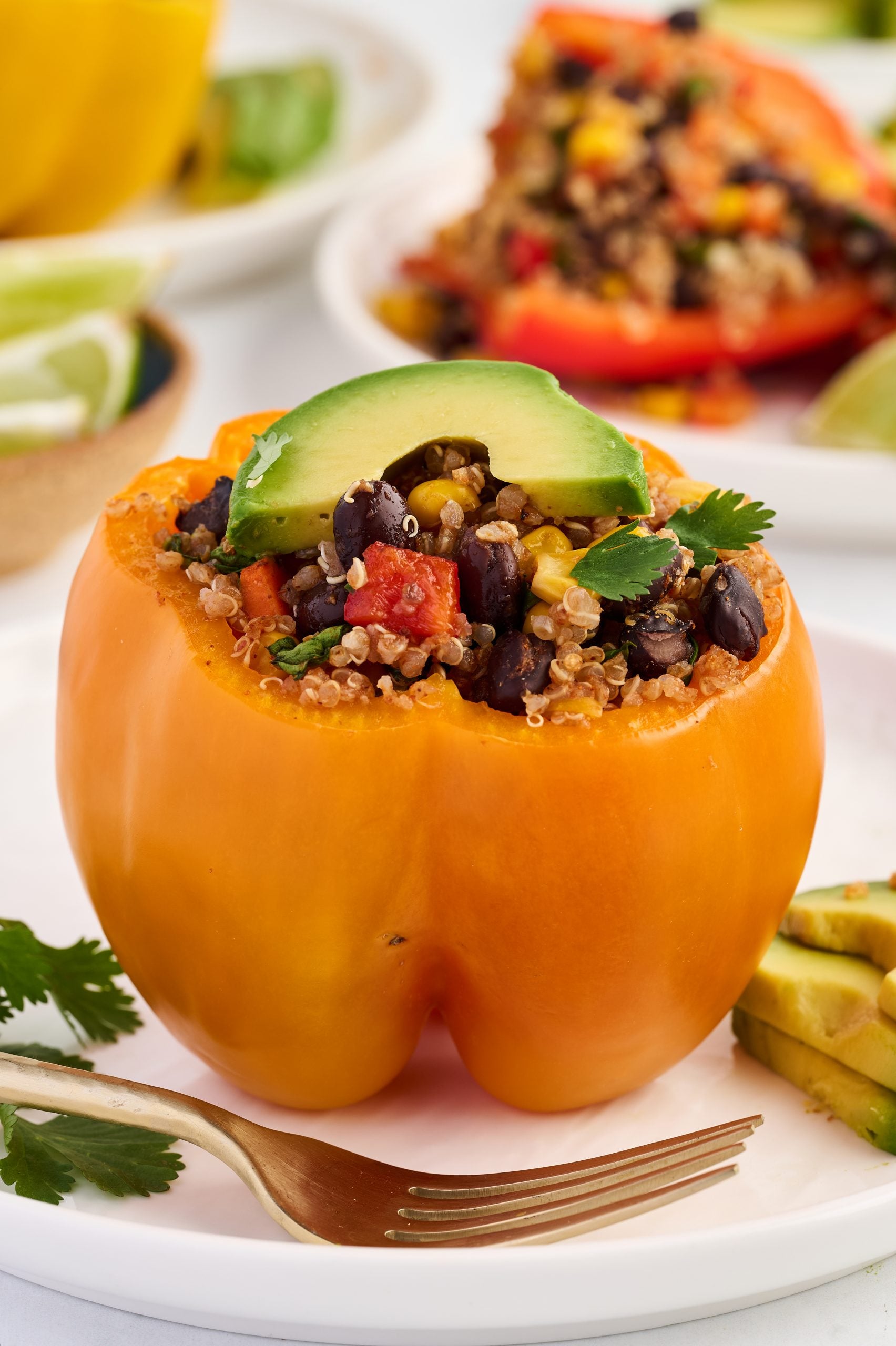
A plant-based diet is more than a menu change—it’s a lifestyle shift that aligns your daily actions with your values. Simple, satisfying meals—like the Vegan Stuffed Peppers below—will help you to stay consistent. Keep things easy in the kitchen and spend your extra time enjoying the healthier, kinder life you’re building.

As you step into the New Year, remember that plant-based eating isn’t about perfection—it’s about progress. Each meal is a chance to nourish your body, care for the planet, and extend compassion to animals. Start with the tips that feel most doable, stay curious in the kitchen, and let this journey evolve at your own pace. A kinder, healthier year is well within reach—one plant-powered bite at a time.

Vegan Stuffed Peppers

Yellow stuffed bell pepper filled with grains, beans, and vegetables and topped with a slice of avocado

Kelly Barton for My Plant-Based Family

By My Plant-Based Family

Simple, flavorful, and endlessly customizable, these stuffed peppers will steal the show at casual family dinners and festive holiday tables alike. This version features a hearty quinoa taco “meat” and black bean filling, but feel free to swap in your favorite grains, vegetables, and spices to make it truly your own. Serve them straight from the oven or make them ahead of time—they’re delicious either way!

Get Recipe