10 Reasons to Choose Plant-Based Foods in 2026

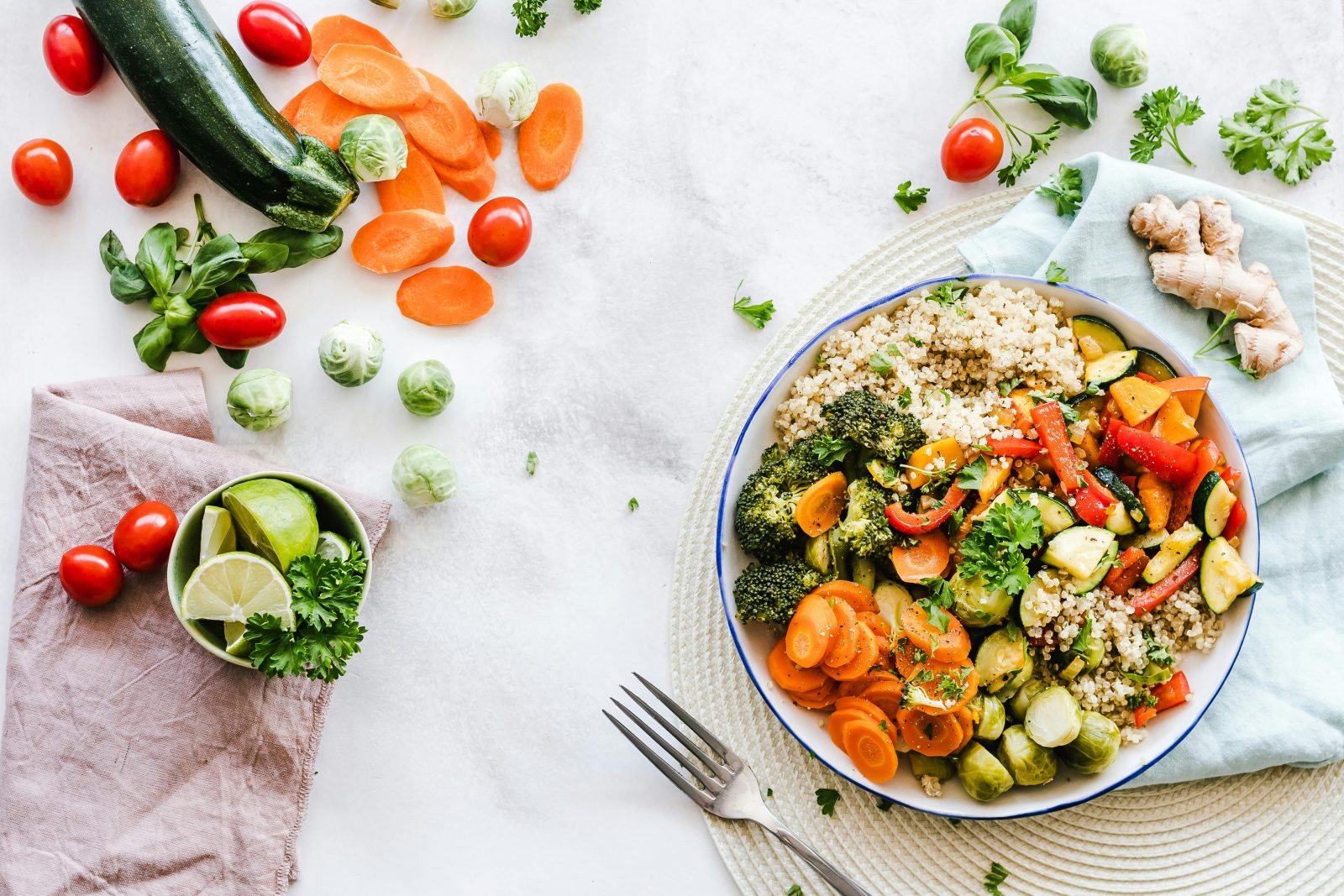
A bowl of rice and vegetables surrounded by vegetables, lime, and ginger

10 Reasons to Choose Plant-Based Foods in 2026

Choosing more plant-based foods in 2026 is a meaningful way to align your daily choices with your values of compassion.

Whether you’re curious, committed, or simply trying to eat more consciously, the fact that you’re here means you’re already thinking about how food impacts animals, the planet, workers, and your own well-being. That’s a powerful place to start!

Below are 10 reasons to choose a vegan diet in 2026. There’s never been a better time than now.
1. You want your food choices to be truly humane.

Each year, billions of animals are slaughtered for human consumption. Although birds and fish make up the vast majority, they are excluded entirely from the Humane Methods of Slaughter Act (HMSA). Even in places where the HMSA does apply—like slaughterhouses for cattle, sheep, pigs, and goats—enforcement is weak. A 2025 report by the Animal Welfare Institute revealed that animals are often mishandled or not properly stunned before slaughter, and that repeat violations go unpunished. Choosing vegan food empowers you to opt out of animal agriculture altogether.

2. You don’t buy lies dressed up in pretty packaging.

Walk through any grocery store, and you’ll see animal-based products labeled as eco-friendly or humane. But behind all the marketing is a world of meaningless labels, subpar standards, and weak oversight. For companies that label products “humanely raised,” the USDA strongly recommends, rather than mandates, a third-party certification. Companies are permitted to define “humanely raised” for themselves, and their definition can be limited to even a single, irrelevant factor, like that the animals were fed a vegetarian diet. In the fight for consumer protection against this type of marketing, we saw some progress this past year. After being accused of misleading consumers, Tyson Foods settled a lawsuit, agreeing to stop making “climate-friendly” claims about its beef. The fight continues, but by choosing to stop eating animal products now, you’re showing these companies that you won’t buy their misleading marketing—or the cruelty hidden behind it.

3. You oppose industries that continually put workers in danger.

Two USDA-funded studies released last January showed that pork and poultry plant workers face a high risk of injury due to line processing speeds. A whopping 81% of chicken processing plant workers and 46% of pig slaughter workers were at an elevated risk of repetitive-stress injuries and musculoskeletal disorders. Despite these alarming results, the USDA announced it would stop releasing reports on worker safety, a move that many argue puts workers at an even higher risk. Removing animal products from your diet also removes your support for an industry that harms both animals and workers.

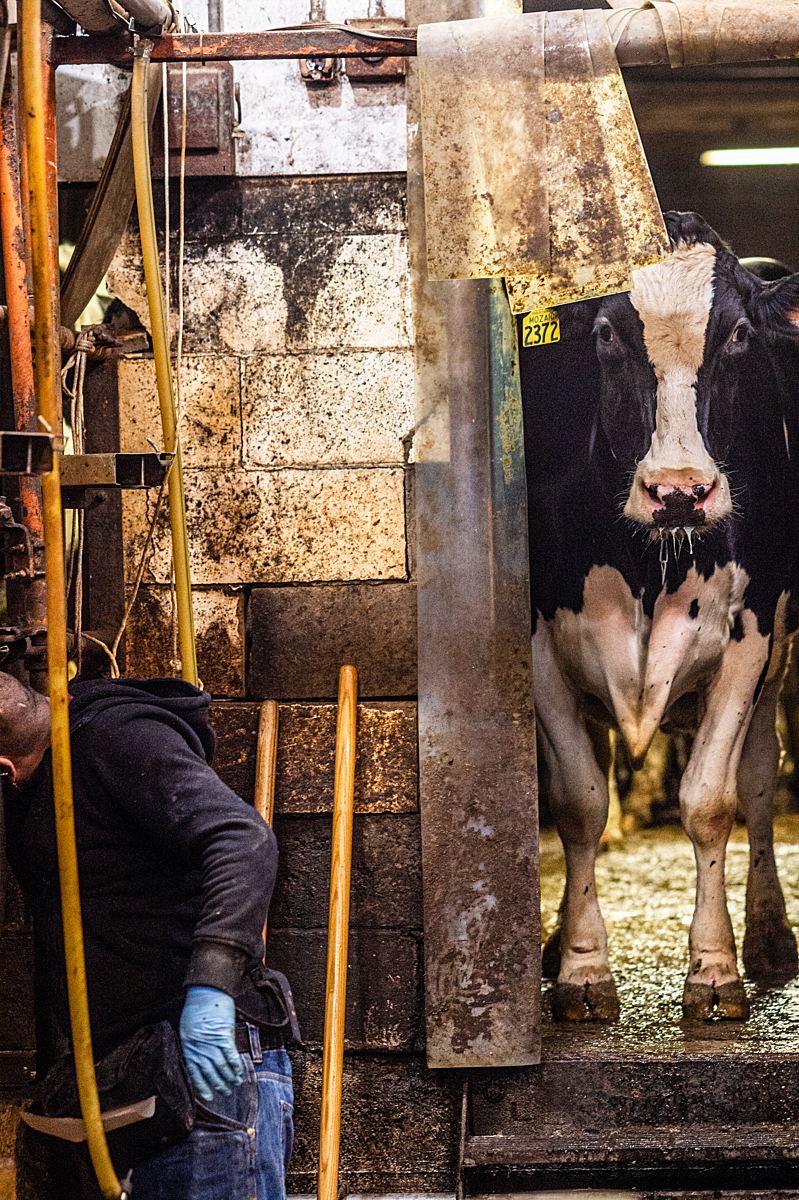
A dairy cow looks into the parlour before being ushered inside.

Jo-Anne McArthur/We Animals

4. You stand with the human rights of immigrants and migrant workers.

The majority of slaughterhouse workers are lower-income people of color, and many are undocumented immigrants. These workers often take dangerous and difficult jobs—like those in slaughterhouses—out of necessity. In light of the highly publicized raids by Immigration and Customs Enforcement (ICE) throughout the U.S. in 2025, some have called out the unfairness of targeting workers while failing to hold employers accountable. Eating vegan is one way to boycott the inequities and injustice in our country’s animal agriculture industry.

5. You want to help prevent the next global pandemic.

Diseases that pass between animals and humans—called zoonotic diseases—put us all at risk. In February 2025, the World Health Organization (WHO) released a report outlining measures to protect against pandemic risks, like those that caused COVID-19. In it, the WHO points to intensified farming and human–animal interactions as key drivers of risk. Factory farms, which concentrate a large number of animals in tight quarters and unsanitary conditions, increase the chances that disease will spread. The WHO report calls for stronger regulations in animal farming and supports the “One Health” approach to pandemic preparedness, which integrates human, animal, and environmental health. Shifting our food systems away from factory farming can significantly reduce pandemic risks, and each of us has a role to play in this effort through our daily choices.

6. You want to reduce your risk of illness—and your healthcare costs.

Healthcare costs dominated the news in 2025, and they continue to rise for many individuals and families. By adopting a mostly plant-based diet, you can reduce your risk of preventable illnesses, potentially lowering your healthcare costs. A vegan diet can lower blood pressure and cholesterol, and reduce the risk of heart disease, type 2 diabetes, and certain types of cancer. That’s why it is supported by organizations like the Academy of Nutrition and Dietetics.

Vegan charcuterie board

7. You trust your choices over the influence of lobbyists and interest groups.

Groups like Farm Sanctuary have worked for decades to improve the treatment of farm animals, with notable wins. Still, those incentivized to uphold the status quo continue to push back against progress. In 2025, interest groups and some elected officials continued to threaten laws like Proposition 12—which prohibits the most severe confinement of calves, pigs, and egg-laying hens for products made or sold in California—and Question 3, a similar law in Massachusetts. Many conscious consumers are choosing to adopt a vegan diet as a way to take control of their choices, instead of relying on laws that are under threat. In addition to choosing plant-based foods, you can speak out for laws like Prop 12 here!

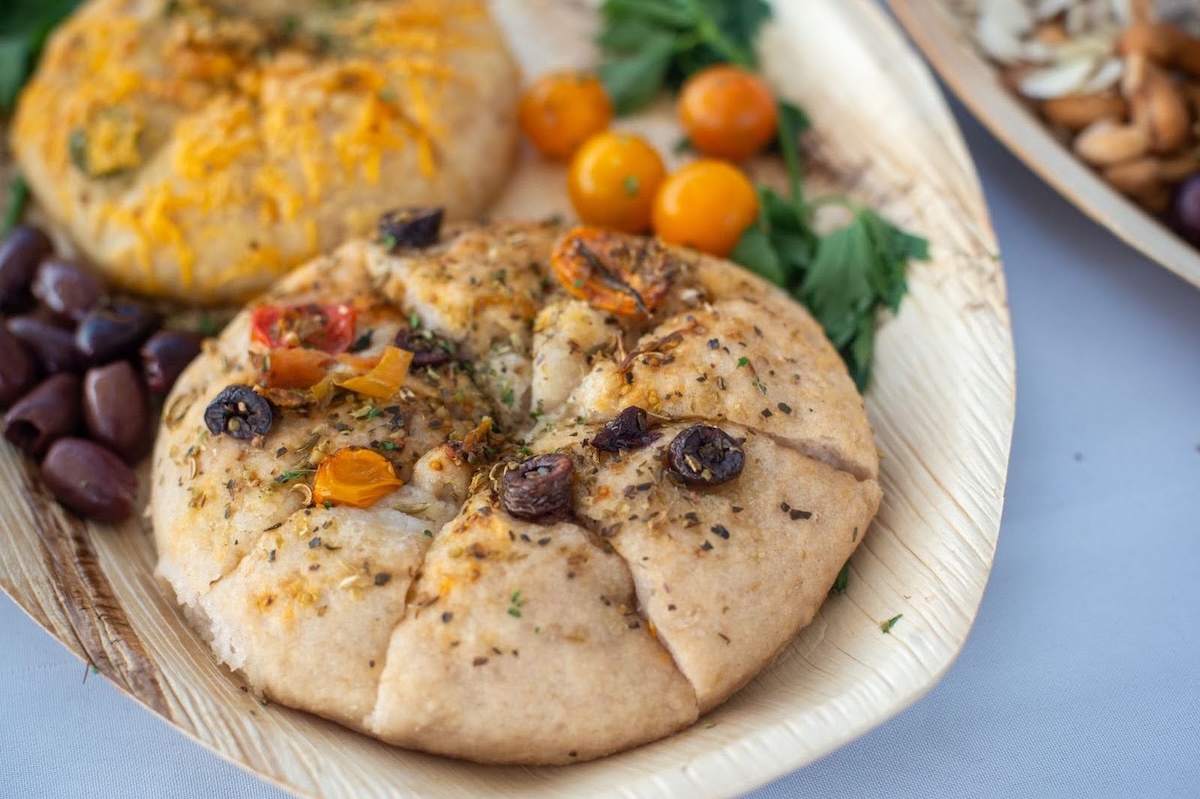
Seasoned vegan pita bread with olives and tomatoes

8. You want to join the movement to save our planet.

A 2025 study in Frontiers in Nutrition showed that a vegan diet can significantly reduce a person’s carbon footprint. Compared to an omnivorous Mediterranean diet, a vegan diet generates 46% less carbon dioxide, uses 7% less water, and takes 33% less land. More good news? Nearly half the country—46% of Americans—reported in 2025 that they would consider a plant-based diet to help cut greenhouse gas emissions. Now is the perfect time to join them!

9. You want to be part of the solution to world hunger.

In their current state, our food systems are inefficient and resource-intensive. They’re wreaking havoc on the planet and are incapable of sustainably feeding all of its inhabitants. In the updated EAT-Lancet Commission report, scientists from around the world give us hopeful information. The report states that if the world shifts to a mostly plant-based diet, our food systems could sustainably feed about 9.6 billion people by 2050. When we choose vegan foods, which generally use fewer resources, we help usher in a future where everyone who’s hungry gets to eat.

10. You know the future is vegan!

The plant-based food market in the U.S. is projected to grow strongly over the next several years, according to a report released in 2025. Consumer demand for environmentally friendly and sustainable options is increasing, resulting in more vegan offerings in grocery stores and restaurants. This is a great time to try plant-based eating, because the future is vegan! You can start with these egg-free recipes, then try your hand at making dairy-free yogurt and other creamy dishes.

Every plant-based meal you choose in 2026 is a step closer to a food system that works for all of Earth’s inhabitants.

Whether you start with one vegan meal a week or dive in fully, your choices make a difference for animals, humans, and the planet. And you’re not alone—millions of others are making the shift right alongside you. Let’s all make 2026 the year of delicious dishes and compassionate choices.

Get the Latest

Subscribe to Farm Sanctuary’s newsletter, and we’ll send you the newest rescues, campaigns, timely ways to help farm animals, and so much more.

Subscribe