Sanctuary Questions: Why Are the Cows So Big?

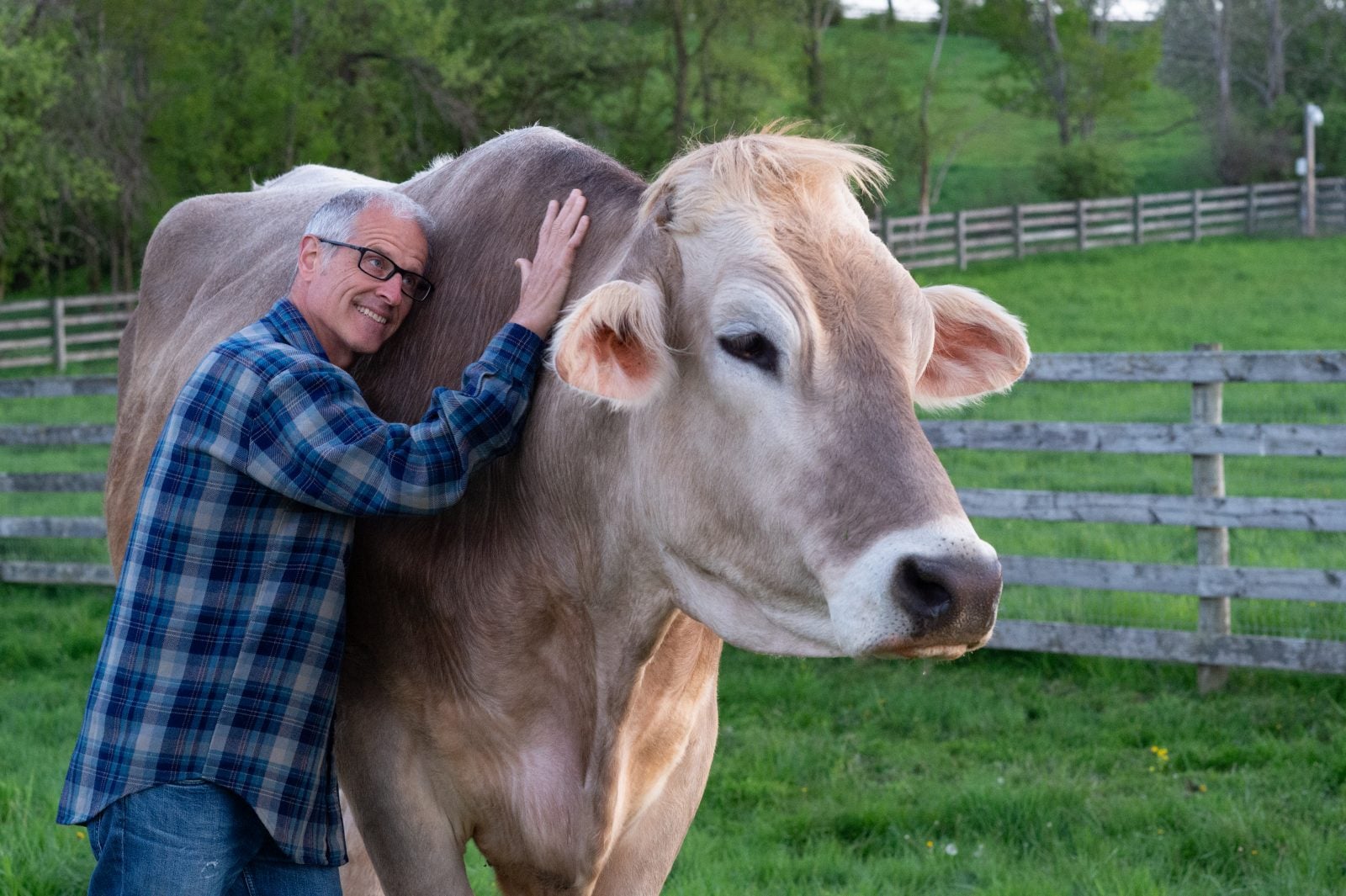
Gene Baur hugs rescued steer Greg at Farm Sanctuary with green pasture and wooden fence in background

Greg steer

Sanctuary Questions: Why Are the Cows So Big?

Greg steer

This article is part of our Sanctuary Questions blog series. While touring our New York and California sanctuaries, visitors often express curiosity about the lives of our rescued farm animal residents. We’re sharing the most frequently asked questions and answering them here.  Read on, and stay tuned for more.

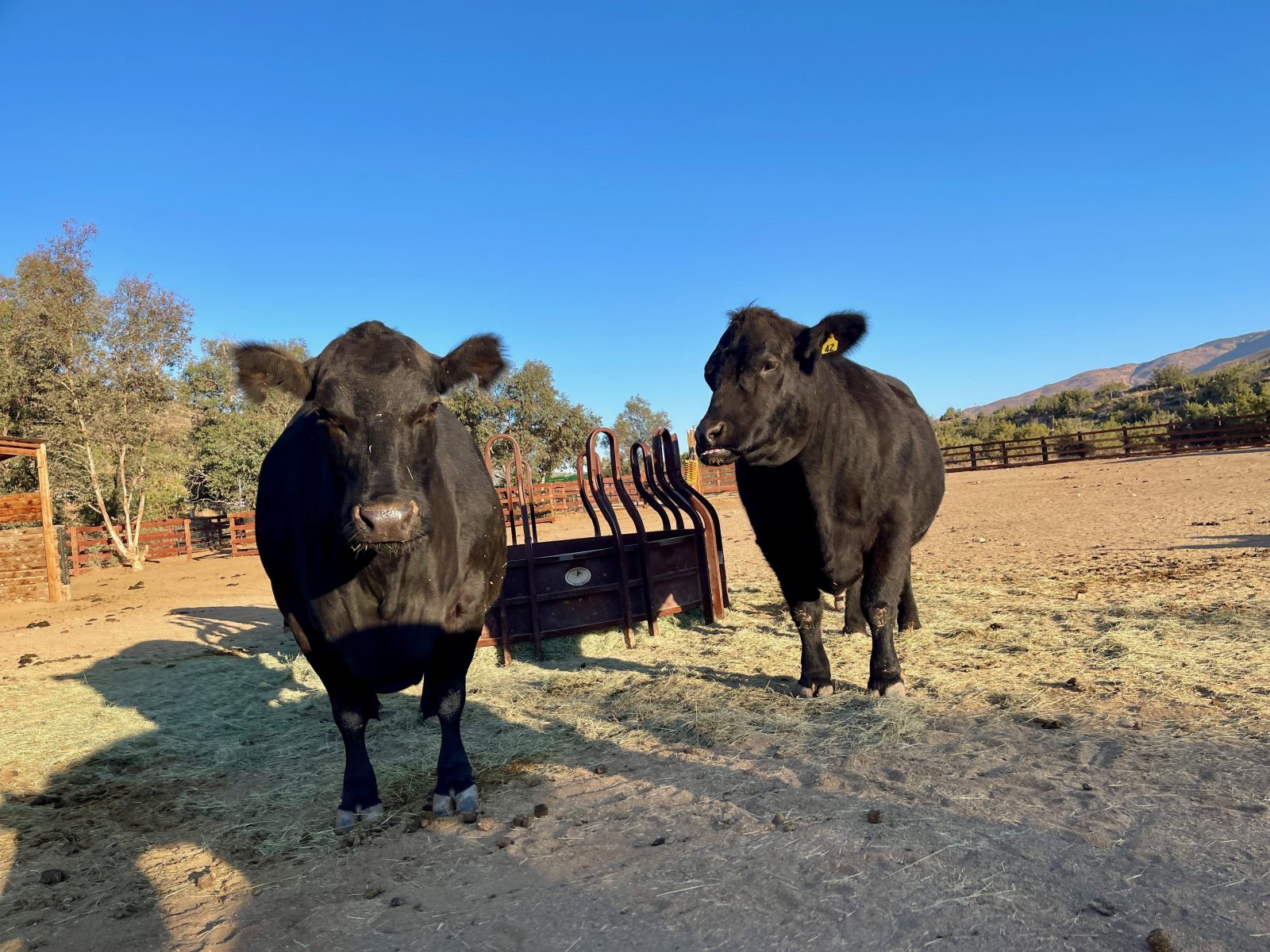
With factory farms intentionally hidden from public view, most people don’t encounter cows up close—instead seeing them only in photos, on television, or at most from passing cars. It’s no wonder so many first-time visitors to Farm Sanctuary are surprised by the sheer size of our resident ruminants. 

One of the most common questions we hear on tours is: “Why are the cows so big?”

Their size isn’t just a matter of natural biology. Unfortunately, much of it is the result of an industry that treats cows as commodities rather than individuals. 

Bred and fed for profit, not health

Standard practices in the dairy, beef, and veal industries are designed to maximize production and profit, not the well-being of cows. Through selective breeding, excessive feeding, and the use of growth hormones, cows today are raised to grow unnaturally large in very short periods of time.

Over decades, the industry has selectively bred cows to grow bigger and faster. Because of these genetics, many cows rescued from animal agriculture come to the sanctuary with abnormally large bodies, even when they are still young.

In addition to selective breeding, the beef industry in particular aims to fatten cows as quickly as possible. Between 6 months and 1 year of age, cows are moved from pastures to feedlots (also called “finishing” operations) to be fattened before slaughter. Although their digestive systems are designed for grasses and foliage, cows are fed unnatural, grain-heavy diets in feedlots. Their feed often contains antibiotics, antibacterial agents, and sometimes fillers made from aftermarket human food products, like candy. 

Bovine growth hormone (BGH), banned in the U.K., Canada, and several other countries, is still used by many U.S. beef and dairy operations. Injections of BGH increase milk production in dairy cows but are also linked to higher rates of painful health issues, such as mastitis and lameness.

Due to selective breeding and overfeeding of unnatural diets, many cows in animal agriculture reach a so-called “market weight” of 1,200 pounds in as little as six months.
Denied the chance to grow old

Cows can naturally live for more than 20 years. In industrial agriculture, they are killed when it is most profitable, long before reaching old age. As a result, most people never see what a cow looks like at 10 or 15 years old.

Cows raised for beef are typically killed when they reach market weight, usually by just 1.5 years of age. In the dairy industry, female cows are usually killed by their fifth birthday, once their milk production declines and they are considered by the industry to be “spent.” After slaughter, they are often sold for beef.

Because cows—like all mammals—must be impregnated to produce milk, the dairy industry ends up with millions of male calves who cannot be used for milk. Within weeks of their birth, many of these calves are slaughtered for beef. Hundreds of thousands more are killed even younger for the veal industry. The dairy and veal industries are deeply intertwined and dependent on one another, a fact that surprises many dairy drinkers who consider veal abhorrently cruel.

Whether exploited for beef, dairy, or veal, most cows in the food system live painfully short lives. Even the fortunate ones, who find sanctuary and experience old age, aren’t immune to issues caused by short-sighted agricultural practices.

Longer, fuller lives at sanctuary

At Farm Sanctuary, animals are allowed to grow old. The resident cows spend their days grazing, resting, ruminating, and engaging in play and socialization with their fellow herd members.

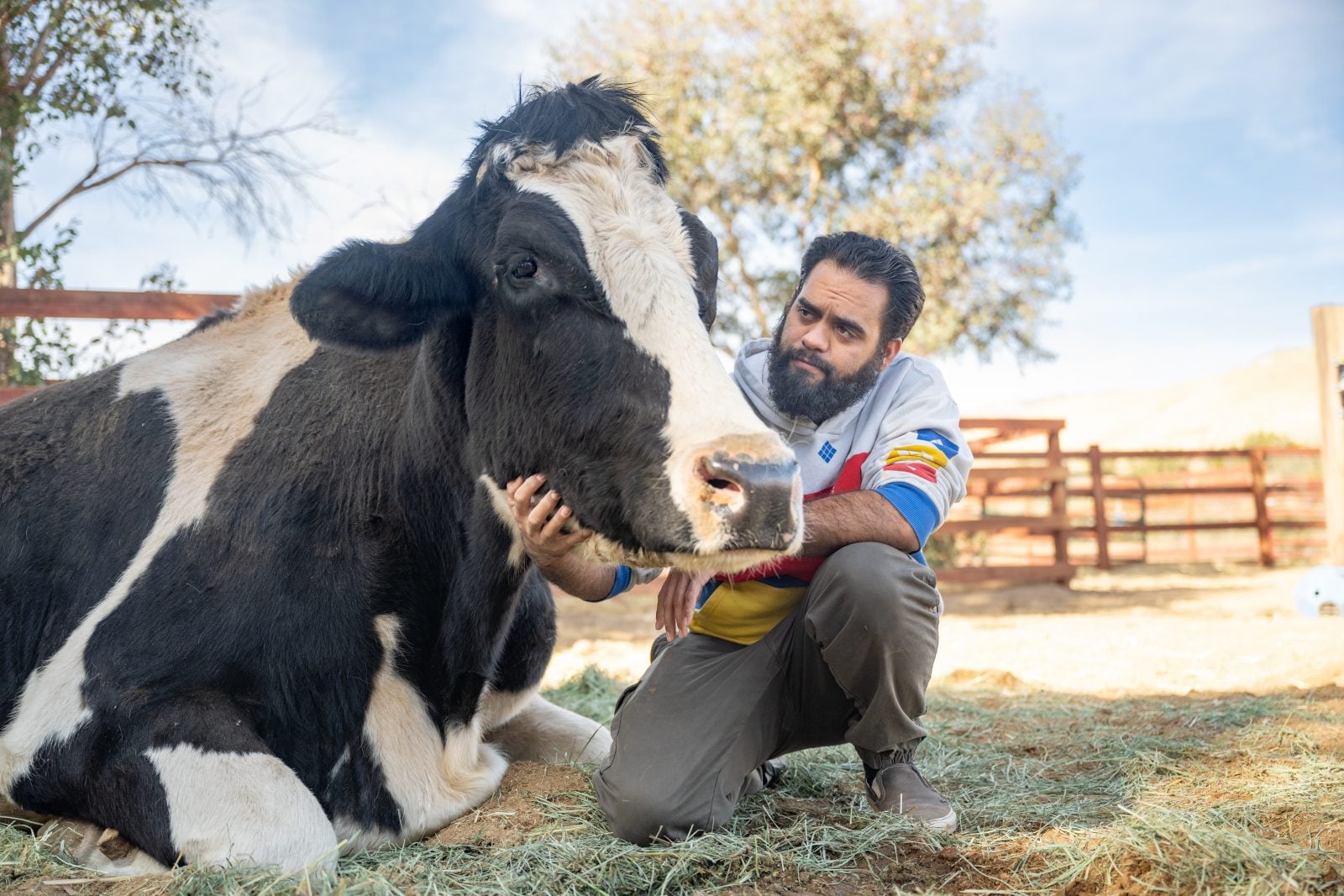
Guest sits in pasture and pets rescued steer Carlton at Farm Sanctuary

Carlton steer

Their longer lives don’t come without issues, however. In the agriculture industry, where cows are bred and raised to grow rapidly and then killed young, their long-term health is never considered. So, when farmed cows are allowed to live out their lives, their unnaturally large bodies can succumb to serious health problems. Joint deterioration, heart strain, and mobility issues are common—the direct result of short-sighted, profit-driven breeding. Their bodies were simply not made to thrive into old age.

Our beloved resident, Safran, is one heartbreaking example. Rescued as a newborn when Farm Sanctuary President and Co-founder Gene Baur spotted him on a dairy farm, Safran narrowly escaped being sent to a calf ranch to be raised for meat. Instead, he lived a long, full life at Farm Sanctuary.

Safran steer and caregiver at Farm sanctuary

Safran steer

Eventually, Safran’s legs—never bred to support his massive size—could no longer carry him. When Safran lay down, unable to rise again, our veterinarian helped us make the compassionate decision to let him go peacefully and prevent further suffering.

Safran’s story is a powerful reminder that the harms of animal agriculture persist long after animals escape its system.

It's not just cows

Cows aren’t the only farm animals bred for extreme and rapid growth. Visitors often ask why the turkeys and chickens at our sanctuaries are so large, too, and the answer once again points to the greed of the factory farming industry. 

Modern turkeys and “broiler” chickens—those bred and raised for meat—have been selectively bred to grow several times faster than their ancestors. In fact, the growth rate of commercially farmed chickens increased by 400% in less than 50 years. Like cows, these birds can face severe health challenges as they age. Their bodies, too, are shaped by an industry focused solely on production and profit, not the animals’ well-being or longevity

Why their stories matter

The animal agriculture industry deliberately breeds and feeds animals for rapid, unnatural growth, fully aware they will be slaughtered long before reaching adulthood. At the sanctuary, however, these animals grow old enough for the long-term effects of this system to manifest.

Our role is to give the animals in our care what they were previously denied: the chance to live out their lives with care, safety, and dignity—and to help visitors understand the deeper truth behind their size and their lives.

Visit Us

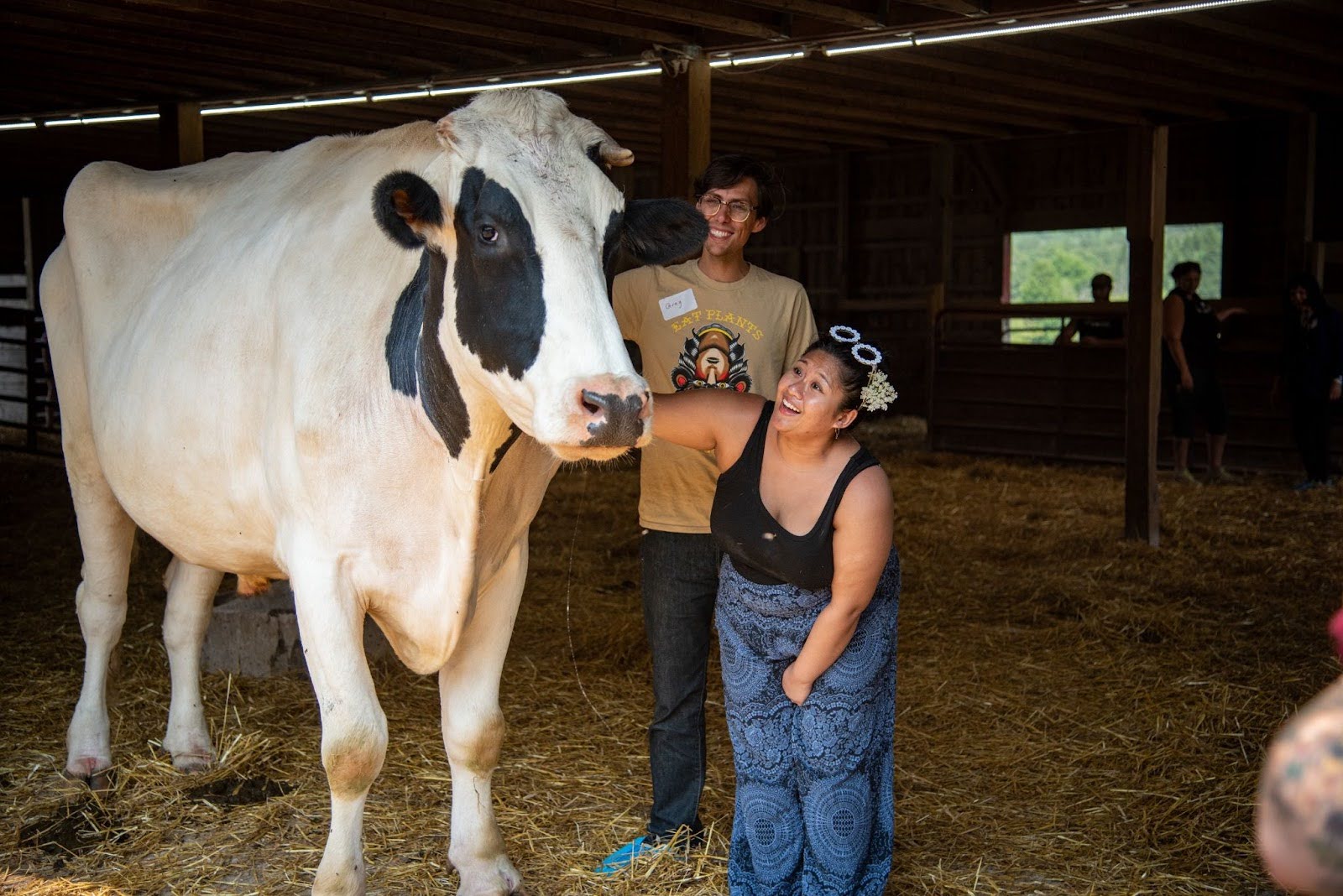
Two attendees pet rescued cow in barn at Farm Sanctuary's Hoedown 2025 event

Follow us @FarmSanctuary on social media and visit us in person in New York or California to meet our rescued residents and learn their stories.