My Youth Leadership Council Experience

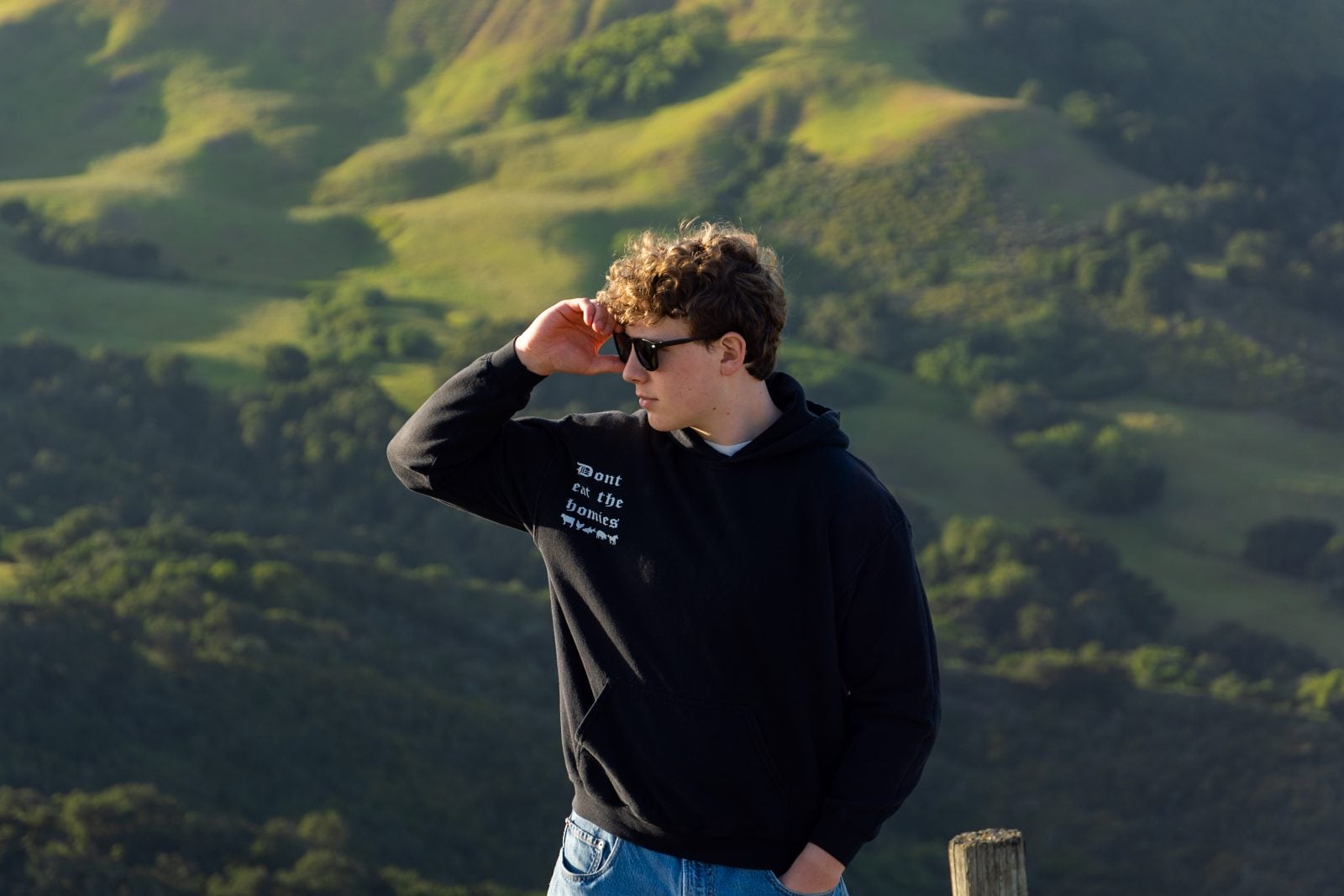
Young student stands in front of green mountains

My Youth Leadership Council Experience

My name is Torsten Carlson, and this is a summary of my experience with Farm Sanctuary’s Youth Leadership Council (YLC) and my animal rights project.

My journey began when I was invited to this opportunity just before my senior year of high school started. I went to Gibson Ek, an innovative, project-based high school that helps students dive deep into their passions and make an impact. Being raised as a vegetarian, I have always had a connection to animal rights. The previous year, I started to explore and learn more about the animal agriculture industry and plant-based foods, which inspired me to transition to veganism. I had my first animal rights-related project, where I researched and created zines to educate people about food labels and connected with local farmers to share them at a farmer’s market. This project sparked my drive to continue making an effort for this cause.

Entering my senior year, I knew I wanted to create an even bigger impact for animal rights. The YLC was an incredible opportunity to elevate my project, learn more, and make meaningful connections. Early on, I created a mission to advocate for more and improved plant-based lunch options within my school district. Over several months, I learned about different aspects of animal agriculture, had great conversations with my peers, listened to guest speakers, and got support for my own project. I was so happy with YLC that I influenced my friend to join too! We both really enjoyed creating pages for the communal zine that was published.

I was very proud of the progress I was making with my capstone project. As my research continued to branch out into multiple different areas, I was solidifying my goal of making an impact within my school food system. I interviewed my school’s cafeteria worker and found multiple organizations that help students make this change in their schools. A fellow YLC member referred me to a resource called Plant-Based Peers,  a group of young people dedicated to helping other students make more plant-based foods available in their schools! Eagerly, I reached out and had a virtual meeting with someone who helped guide me in the right direction. I was greatly inspired and also gained more resources.
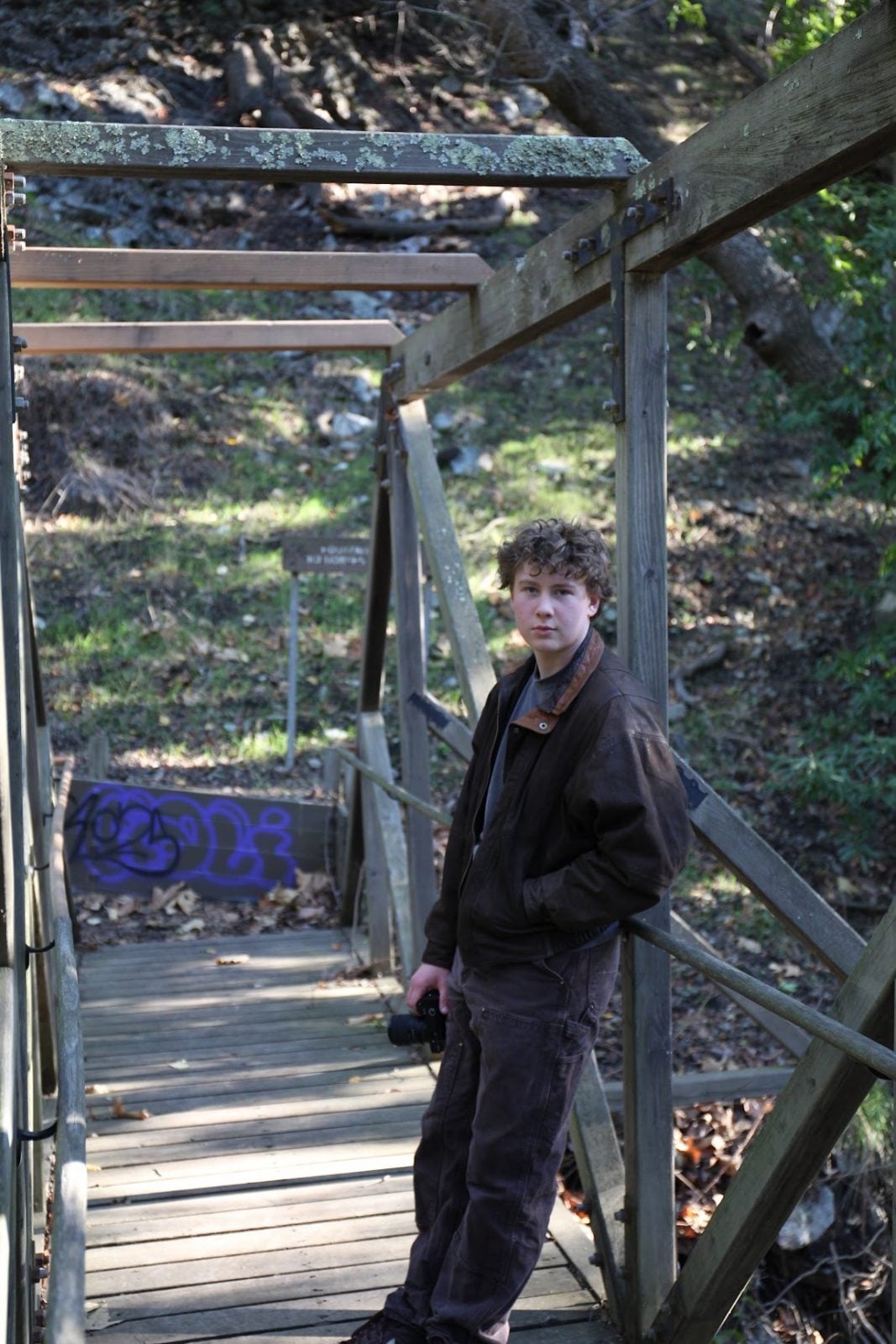
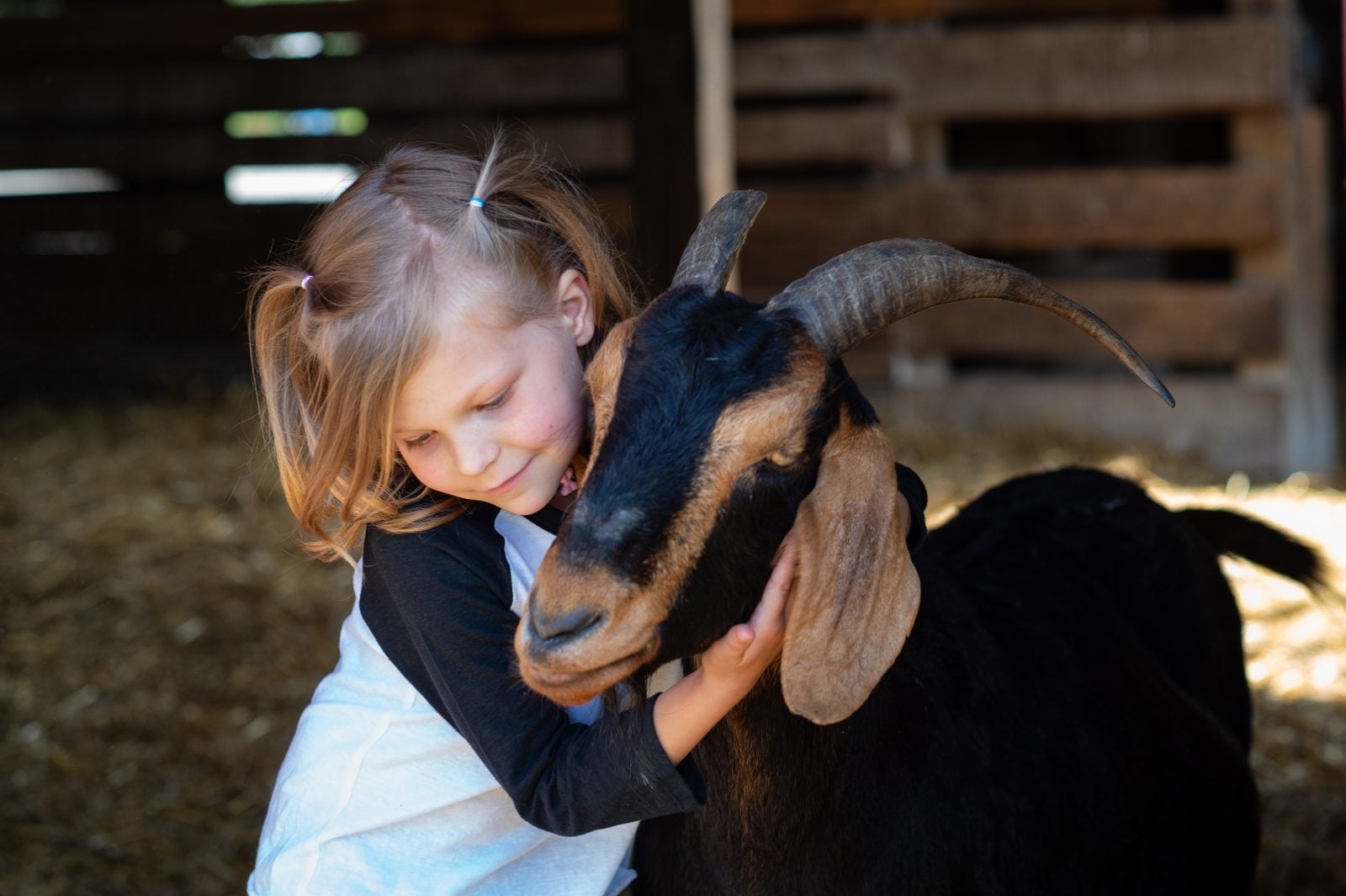
Young students stand on bridge holding camera

After hearing about a certain organization for the second time through the YLC, I found an amazing opportunity. The Plant Powered School Meals Coalition had a youth fellowship program that selected 14 students from across the country each year to advocate for plant-based options in schools. I felt that this would be the perfect opportunity to have the support I needed to make a great impact, so I applied. The program would run from April to August. I ended up taking a break from my project and counted on being accepted. Sadly, I learned that I was not accepted, and the school year was coming to an end.

Around this time, however, I learned of an opportunity to pivot my capstone and make an impact. Gibson Ek had “design labs,” essentially 8-week courses led by teachers and sometimes students, focused on a wide range of subjects and real-world problem-solving. My advisor and I talked about the next design lab she was going to teach, titled “Exploring Animal Intelligence and Human Responsibility.” This aligned perfectly with my passion, and we instantly started talking about how I could help teach students about animal sentience, farming practices, and ethical choices! This conversation really gave me hope in my goal of still making an impact for animal rights.

We continued to discuss the curriculum and how I could be involved, and decided that I would lead weeks 6-8. For the first few weeks of the design lab, we learned what “intelligence” means, how it shows up in different animals, and did several learning activities. I set up my first week of teaching to gradually educate students by first focusing on farm animal intelligence, then moving into current farming practices, and finally, ways to make a change. I was incredibly proud of myself for how confidently I led discussions, informed students, and helped them do individual research.

My advisor and I thought it would be good for students to choose a specific farm animal to research and then create some sort of impact project for that animal. The next week, every student presented their project, many of which came in the form of educational presentations and videos for the class. I genuinely felt so much pride and happiness seeing each student talk about what they learned and encourage others to make lifestyle changes to support the animals.

At the end, each student took a reflection survey about the design lab, and I got to see the responses. I was even more blown away by the impact I made. Not only did I educate a classroom of students about the horrible animal agriculture industry, but I also led each student to do their own research and create a project of their own to help the animals.

Overall, I was very satisfied with my personal progress in animal advocacy. Although I didn’t make a large impact on school meals, I unexpectedly made a different and more personal impact on several students. 

Farm Sanctuary allowed me to connect with like-minded peers, gain valuable information and resources, and build a lasting relationship with Mercy Mize, the council coordinator. At the YLC final meeting, when each student shared their capstone projects, I felt uplifted hearing about what other students had done. It’s so amazing that a program like YLC exists for young people to make a difference.

I want to give special thanks to Mercy Mize, Farm Sanctuary’s Senior Education Manager, for being so supportive and invested in my efforts. She has been a major source of inspiration for me to continue my advocacy for animal rights, and I thank her for all the effort she put into supporting all of us.

Youth Leadership Challenge

Over three months (February-April 2027), the Challenge combines project-based learning, mentorship, storytelling, and real-world leadership development for youth ages 14-24. Challenge participants will be connected with peer mentors and Farm Sanctuary staff to develop capstone projects. Participants can also engage in a matching program that connects their projects with mission-aligned organizations. If you are interested in joining, please apply below.

Apply Now