
Eight Essential Nutrients on a Vegan Diet

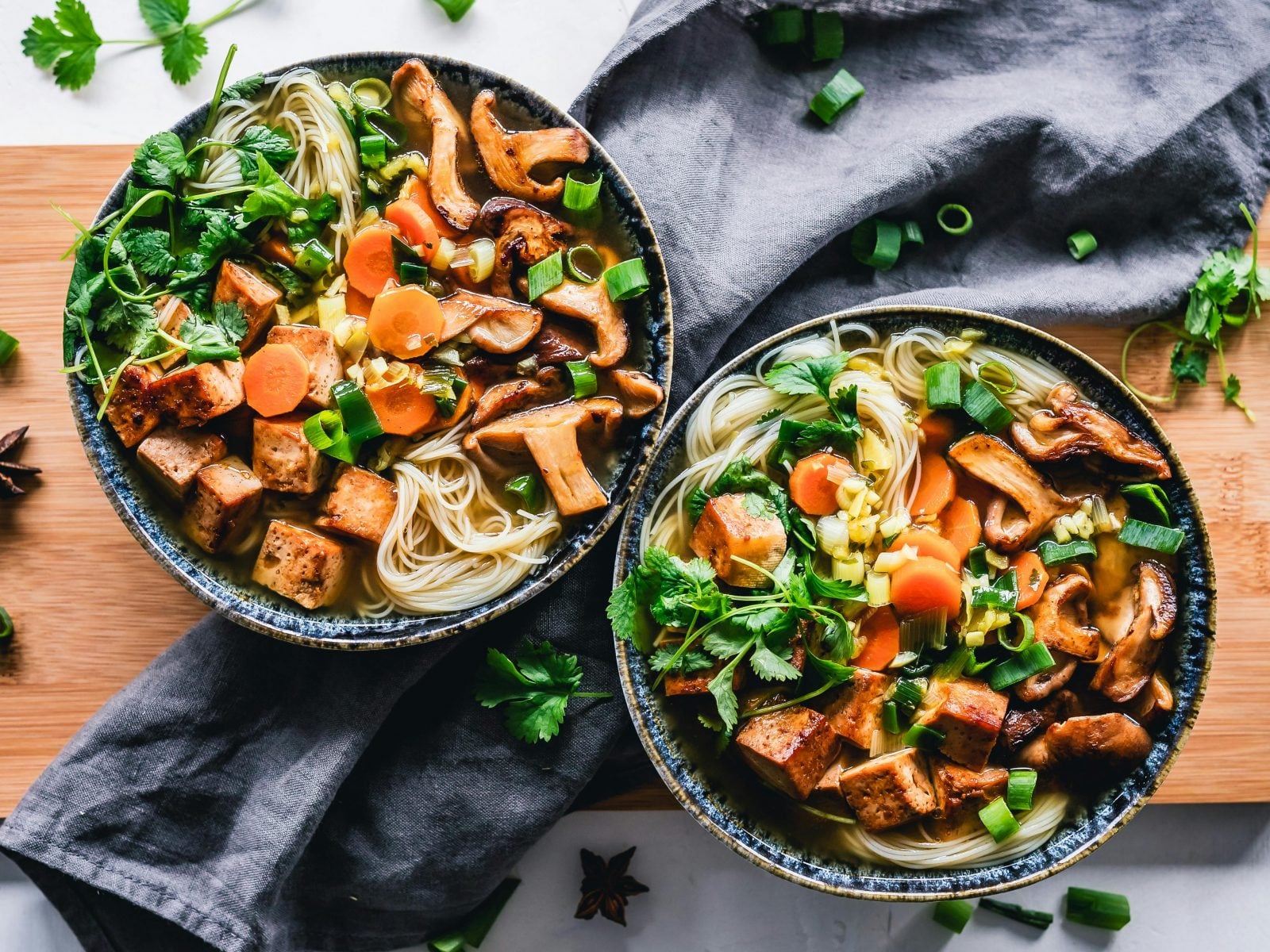
Two bowls of noodle soup with tofu, mushrooms, carrots, and herbs

Eight Essential Nutrients on a Vegan Diet

Eating a plant-based diet provides so many benefits, from sparing farm animals from cruelty and slaughter to reducing your environmental impact. But can plants provide all the nutrients you need? The answer is a resounding yes!

A vegan diet is not only better for animals and the planet, but also for your health. In fact, a plant-forward diet offers important advantages over the standard American diet—like reducing the risk of heart disease, high cholesterol, and certain cancers.

All you need is a little knowledge to stay healthy on a vegan diet—and we’re here to help. Whether you’re new to plant-based eating, just curious, or a longtime vegan who could use a refresher, this guide is for you. 

Read on for a helpful overview of eight essential nutrients in a healthy vegan diet.
1. Protein

“Where do you get your protein?” While that’s often the first question vegans hear, meeting your daily protein requirements on a balanced vegan diet is actually quite simple. The common association between protein and meat stems more from marketing campaigns than nutritional science.

Almost all plant foods contain protein. As long as you consume enough calories from a variety of vegan foods, you can easily meet your protein needs on a plant-based diet. Most Americans actually consume far more protein than their bodies require.

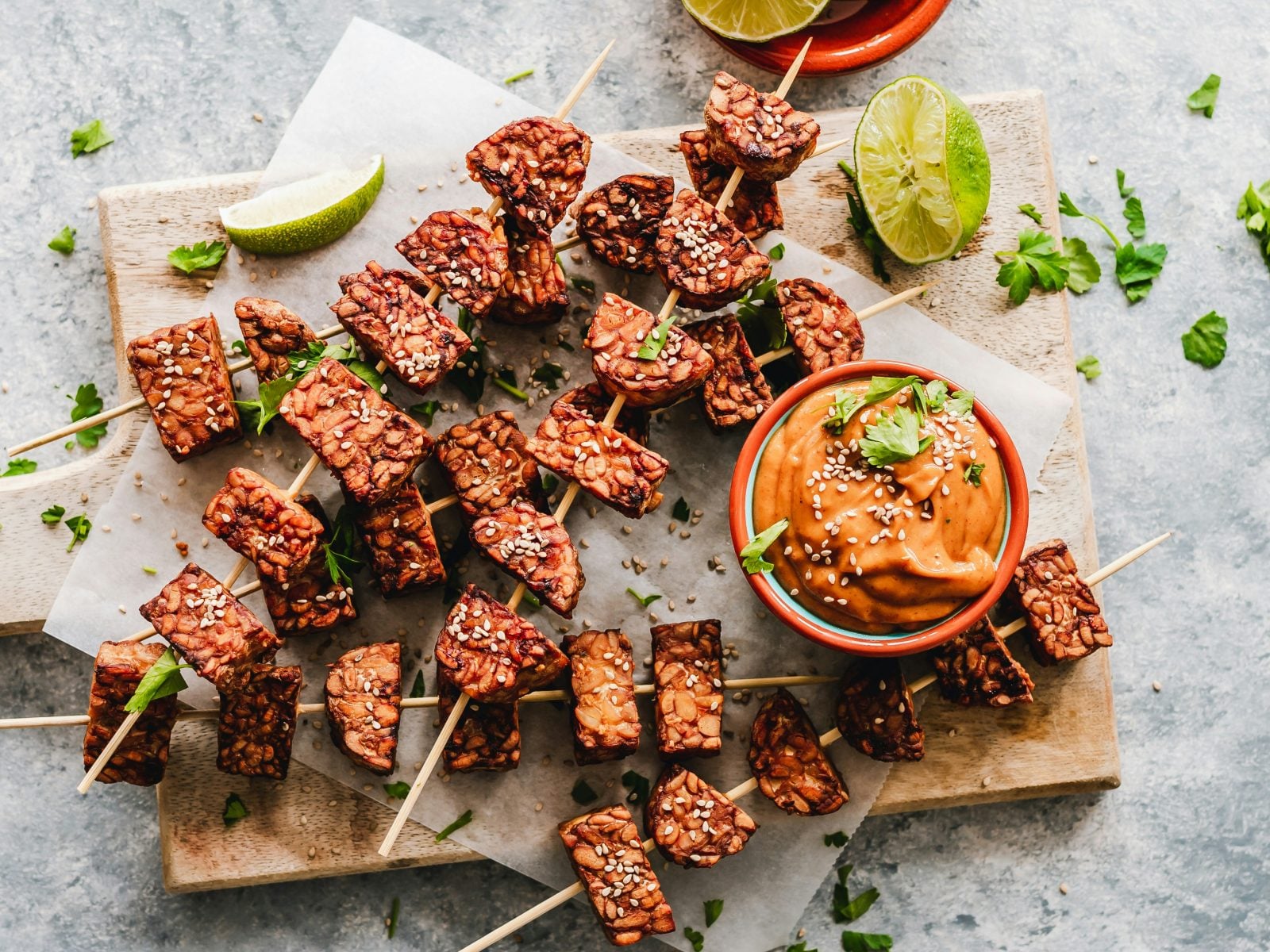
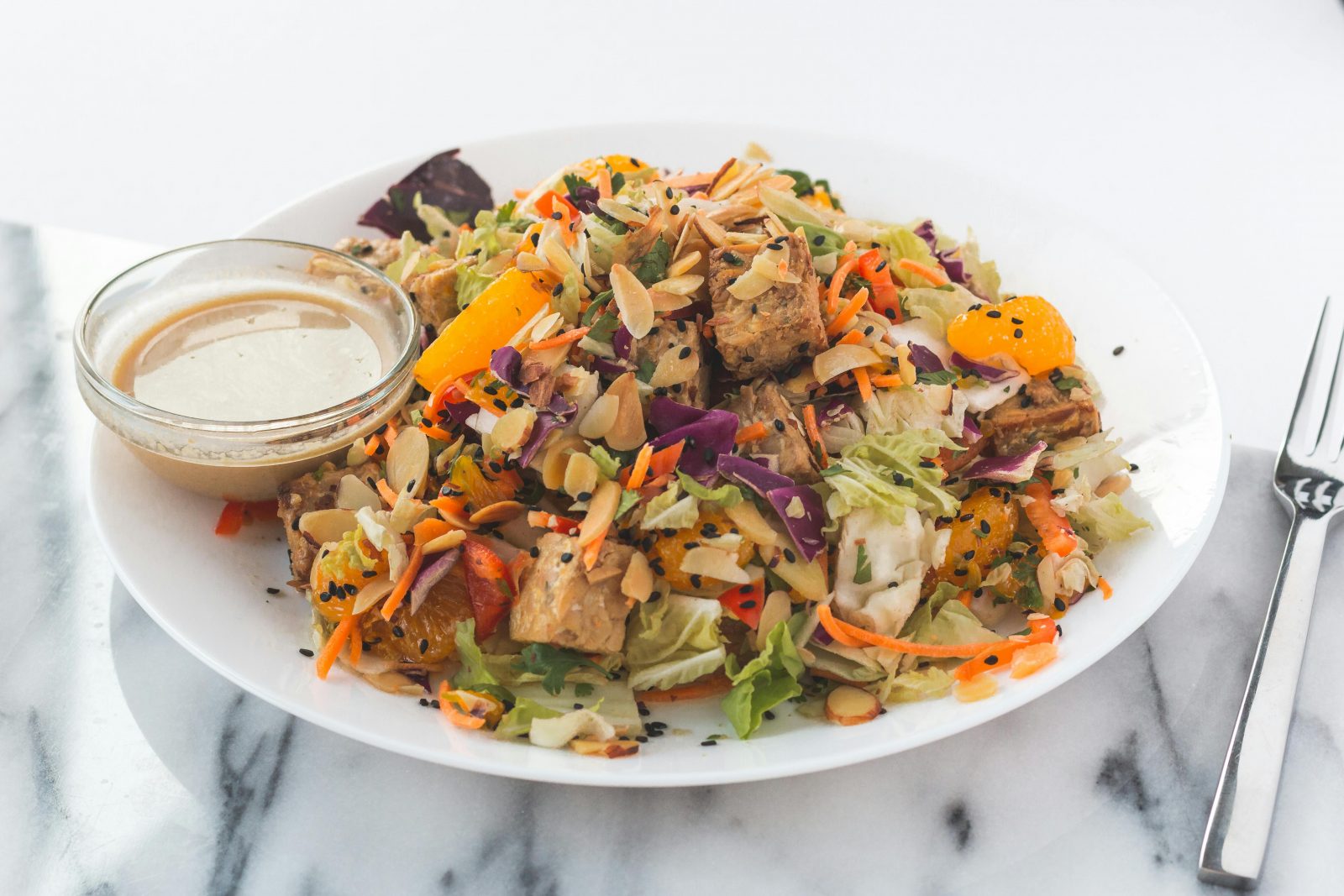
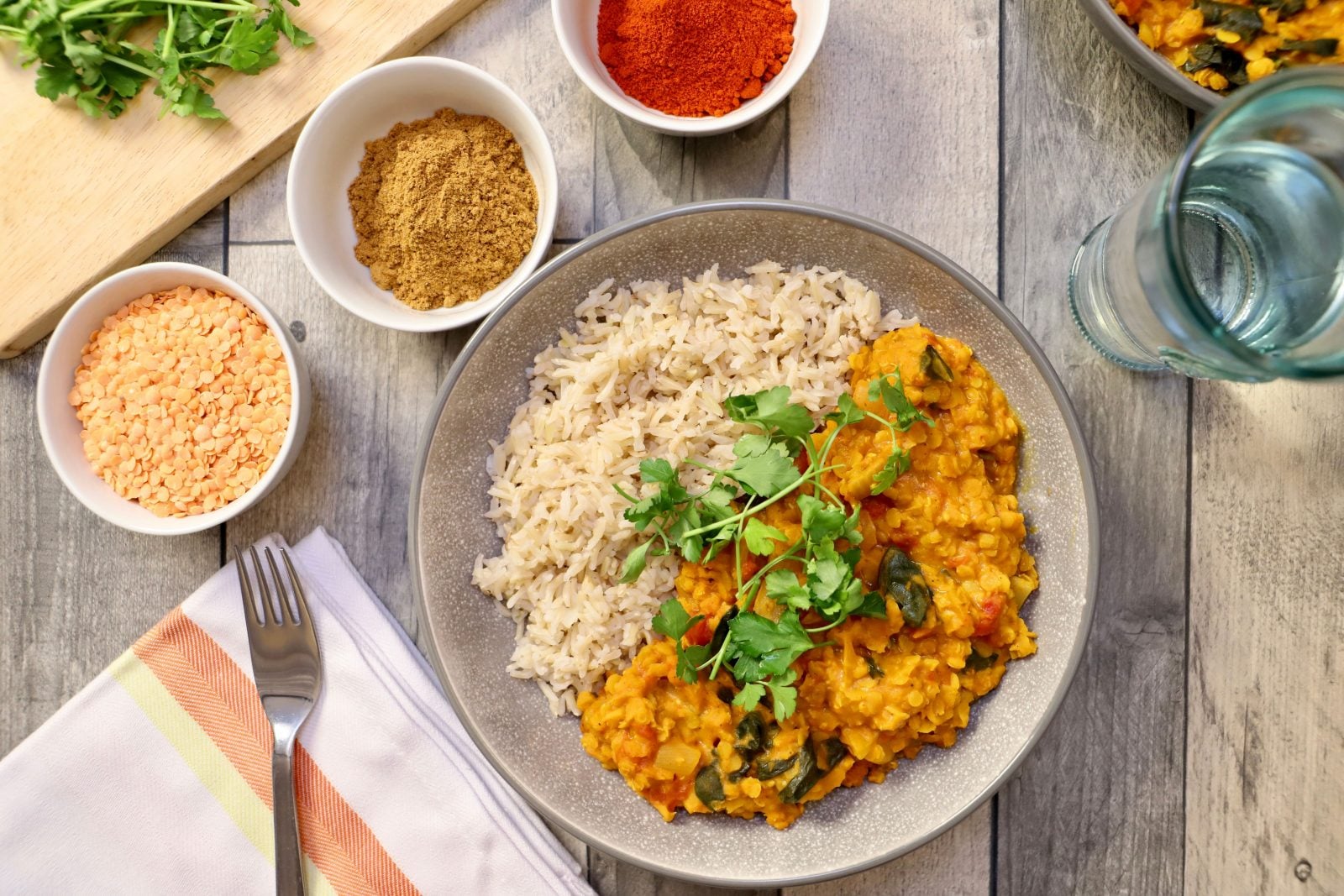
High-protein plant foods include tofu, tempeh, seitan, lentils, and packaged vegan meats from brands like Beyond, Impossible, Tofurky, and Gardein.

2. Vitamin B12

Vitamin B12 helps prevent serious health issues like anemia, pregnancy complications, nervous system damage, and heart disease. Unlike protein, which is plentiful in plant foods, natural vegan sources of vitamin B12 are much more limited. Produced by bacteria, B12 can only be found reliably in dietary supplements and in fortified plant foods. 

VeganHealth.org recommends that vegans take a regular B12 supplement and intentionally include fortified foods in their diet. Luckily, many plant-based milks, soy products, and cereals are fortified with B12.

3. Iron

Iron is critical for energy production, immune support, and brain development. Because our bodies don’t produce it naturally, we must get it from the food we eat. While iron is commonly associated with red meat, plant foods are actually the original source.

Plants absorb iron from the soil. Farm animals get iron by eating those plants, and that iron is then passed along to humans who eat the animals. But why not cut out the middle cow—along with the cruelty and slaughter—and simply get iron directly from the plants? You’ll be helping animals and the planet while reducing your saturated fat and cholesterol intake and lowering the risk of type 2 diabetes, heart disease, and colon cancer.

Opt for legumes, tofu, lentils, and peas—all excellent sources of iron. Boost absorption by consuming iron-rich foods alongside those high in vitamin C, like Brussels sprouts, bell peppers, fruit, or fruit juice.

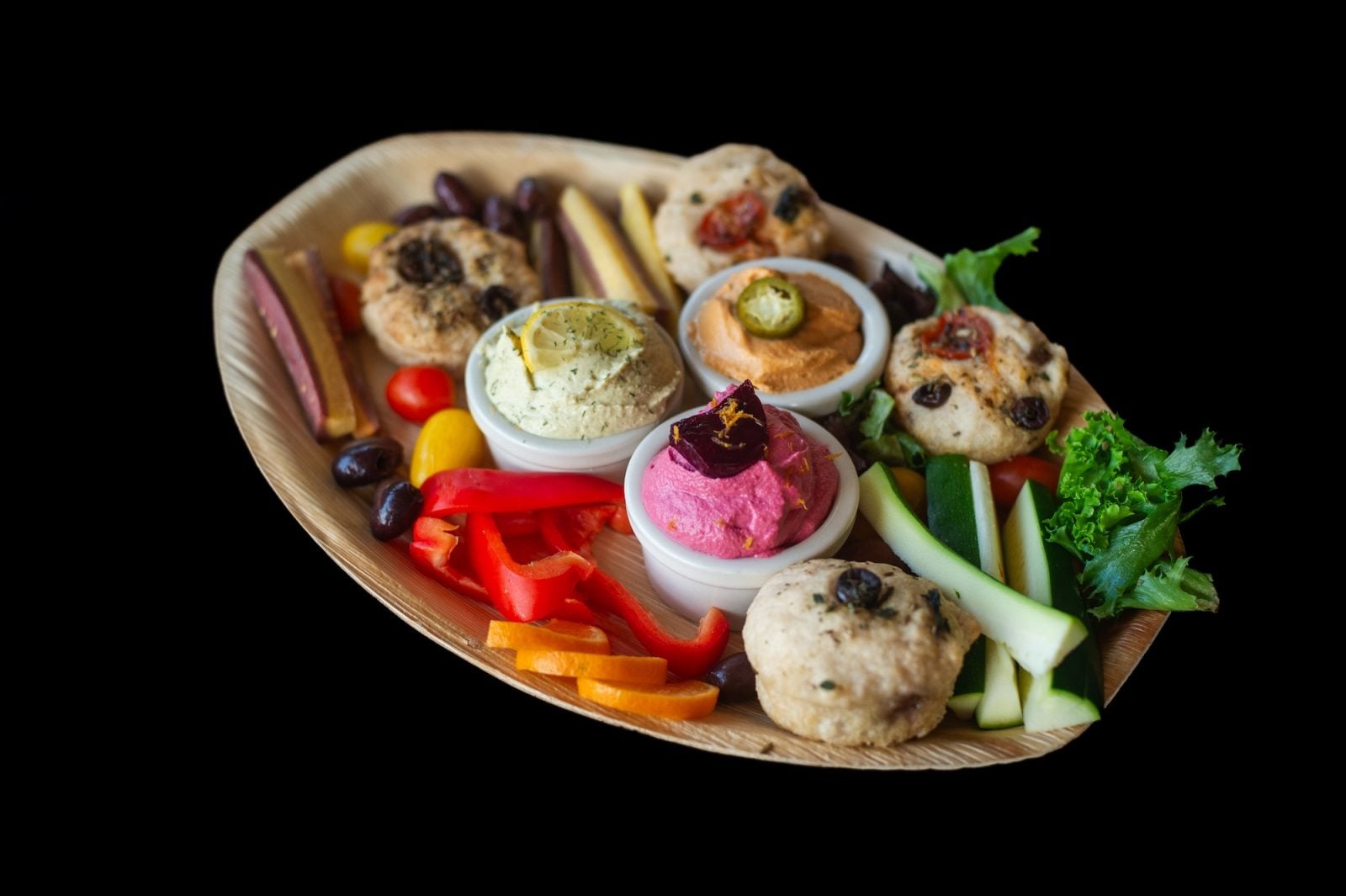
Platter of hummus and crudite

4. Omega-3s

Omega-3 fatty acids support brain, heart, and eye health while helping to reduce inflammation and repair cells. Of the three types of omega-3 fats our bodies require, ALA is the most readily available in plant foods. The other two types, EPA and DHA, are commonly associated with fish—but just as with cows and iron, we can cut out the middle animal and go straight to the source.

Fish obtain omega-3s by eating algae, and vegans can do the same. Algae oil supplements are a highly reliable source of EPA and DHA. While our bodies can also convert ALA from food into EPA and DHA, the process is relatively inefficient.

Plant-based sources of ALA include walnuts, chia seeds, hemp seeds, and ground flaxseeds, and seed oils like flax, canola, and perilla. Soybeans, tempeh, and tofu also contain ALA.

5. Calcium

Calcium is essential for strong, healthy bones, helping to reduce the risk of fractures and osteoporosis, especially as we age. But cow’s milk isn’t the only—or even the best—source of calcium.

Plant foods can meet all your calcium needs without the downsides of dairy. The best options are foods rich in easy-to-absorb calcium, such as calcium-set tofu and fortified plant milks. Other calcium-rich foods include kale, mustard greens, turnip greens, collard greens, dried figs, bok choy, broccoli, and Brussels sprouts. Vitamin D boosts calcium absorption, so pair calcium-rich foods with fortified plant milk or orange juice.

6. Vitamin D

Vitamin D works with calcium to keep your bones strong. It also bolsters your immune system, aids in muscle function, and helps transmit messages between your brain and body.

Naturally occurring vitamin D is scarce in plant foods and animal products. As a result, vitamin D deficiency is common among vegans and omnivores alike. When exposed to UVB rays from direct sunlight, our bodies naturally convert them into vitamin D, giving us another way to obtain this key nutrient. But direct sun exposure should be balanced carefully with a person’s risk of skin cancer.

A vitamin D supplement is a safe and easy way to maintain optimal levels. Mushrooms grown under or treated with UV light are also good dietary sources. Plant-based foods are often fortified with vitamin D as well, so check the labels on plant milks, fruit juices, and cereals.

7. Fiber

Fiber is essential for proper digestion, metabolism, and immune function. A high-fiber, plant-based diet is linked to a lower risk of heart disease, hypertension, and type 2 diabetes—three major drivers of preventable illness and medical costs.

From fruits and vegetables to legumes, whole grains, nuts, and seeds, all plant foods contain fiber. In fact, fiber is found only in plant foods. Meat, eggs, and dairy products have none.

The best fiber sources provide at least 5 grams per serving. That includes split peas, lentils, black beans, raspberries, and whole wheat pasta.

8. Zinc

Last but not least on our list is zinc, which plays a key role in immune function, wound healing, and cell division. Another nutrient not made by our bodies, we must get zinc from food or supplements.

Plant foods rich in zinc include whole grains, seeds, and legumes. Great seed choices include hemp, pumpkin, sesame, and sunflower seeds. For legumes, choose lentils, chickpeas, black beans, or tofu. Excellent grain sources include quinoa, oatmeal, and whole wheat bread.

Because the zinc found in plant foods is somewhat harder for the body to absorb, taking a zinc supplement can help ensure you meet your daily needs.

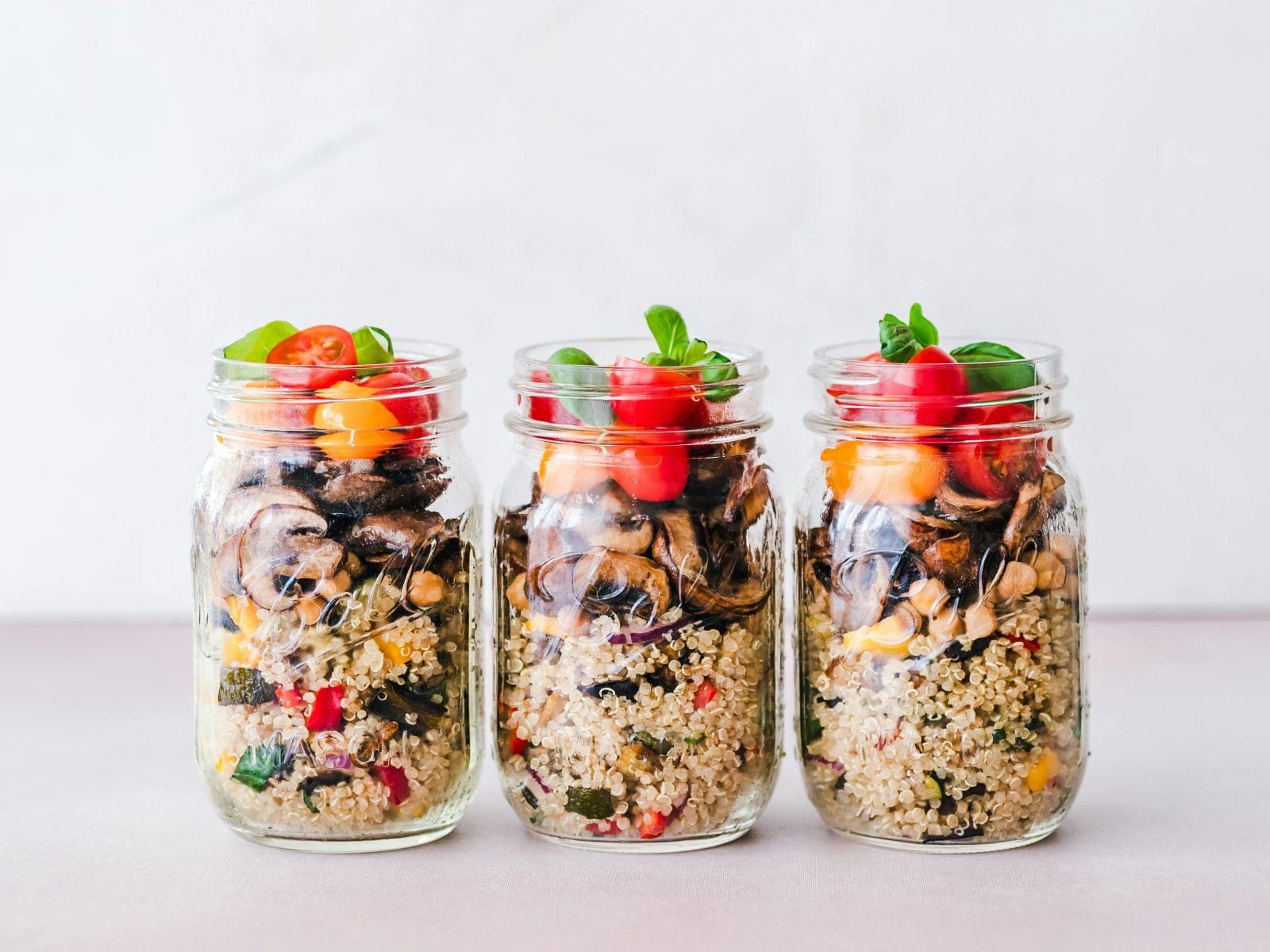
Three glass jars filled with quinoa, mushrooms, corn, tomatoes, and herbs

A healthy vegan is a powerful advocate.

Prioritizing your health is more than self-care; it’s an investment in your activism. By keeping up with these eight essential nutrients, you’ll feel your best and have the strength and stamina to be a powerful, lasting voice for farm animals.

Learn More

Sign up for Farm Sanctuary emails to learn more about compassionate and sustainable plant-based living as well as the latest on our work for animals, people, and the planet.

Subscribe